Poland has taken delivery of another 35 M1A2 SEPv3 Abrams tanks, bringing the country to 217 of the 250 advanced U.S.-built vehicles it ordered as Warsaw accelerates rearmament on its eastern flank. The shipment matters because it closes in on completion of a $4.75 billion deal that is becoming one of Europe’s most visible tank modernization programs amid heightened security risks linked to Russia’s war in Ukraine.
Poland Gets 35 More Abrams Tanks
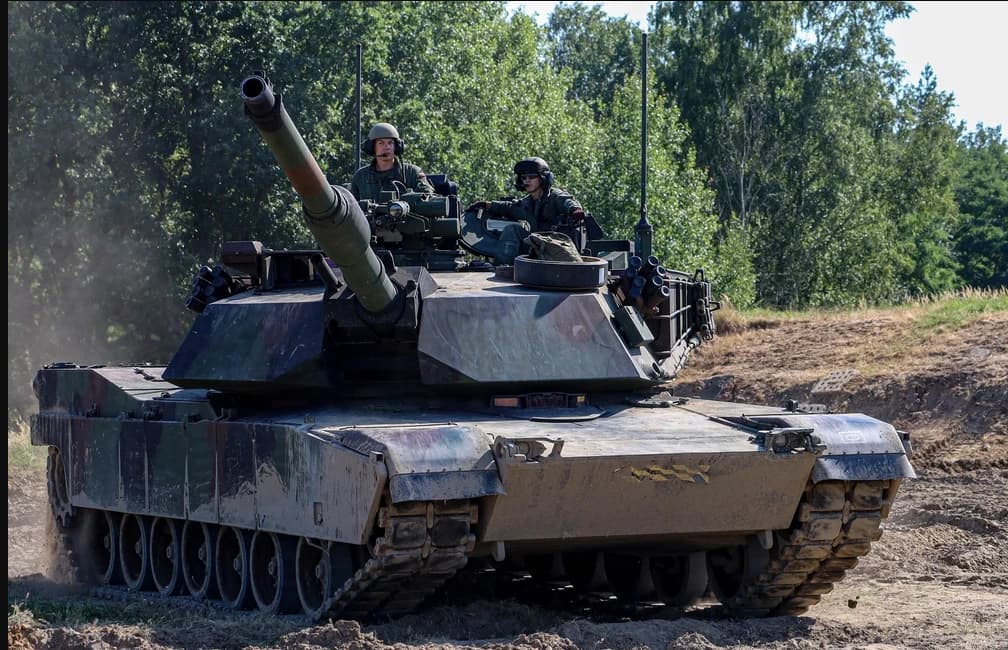
Defense Minister Władysław Kosiniak-Kamysz said the latest batch had arrived in Poland and would soon be assigned to the 18th Mechanized Division. A spokesman for the defense ministry said the remaining 33 tanks are scheduled to be delivered this year, underscoring how quickly the U.S. supply chain is still feeding a major NATO customer.
Sentiment IndicatorsⓘProprietary · adalytica.com · September 25, 2026
This is a snapshot — live sentiment, awareness and momentum for 130+ markets update continuously in the dashboard.Open AlphaPulse
The Abrams purchase is strategically important for Poland because it helps replace armor donated to Ukraine and strengthens the army’s heavy-armor inventory at a time when Warsaw is reinforcing its border defenses. Poland now expects to field 366 Abrams tanks in total, including 116 older M1A1 vehicles already received from the U.S., which are slated for future upgrade to the newer SEPv3 standard.
For General Dynamics, the builder of the Abrams, the Polish program is a reminder that European rearmament remains a durable revenue stream for U.S. defense contractors. The company has already booked one of the biggest export tank deals in Europe, and the steady flow of deliveries suggests the contract should continue supporting factory throughput and aftermarket work rather than becoming a one-off sale.
Investors have also been watching defense names for follow-on demand as governments across NATO lift spending in response to the war in Ukraine and wider regional tensions. General Dynamics shares have recently traded well below their 50-day and 200-day moving averages, even as the stock remains tied to a sector benefiting from higher military budgets and replenishment orders.
Poland says the Abrams will remain a core part of its armored forces, making the program a live test case for U.S. heavy-weapons exports in Europe. The next catalyst is the final delivery tranche due later this year, along with any further Polish orders tied to border security and force expansion.
| Entity | Gains | Losses |
|---|---|---|
| Poland | ▲Faster armor buildup | ▼Reliance on foreign suppliers |
| General Dynamics | ▲Export revenue visibility | ▼Delivery and execution risk |
| NATO eastern flank | ▲Stronger deterrence | ▼Higher defense spending burden |
| Russia | ▲— | ▼More armored capability on its border |