Poland’s state-owned defense group PGZ is using MSPO 2026 to push a much bigger story than a trade fair: the country’s arms industry is moving from buyer to long-cycle producer, with about 180 billion zlotys in incoming orders, a multi-year production pipeline and a push to localize components that were previously imported.
Poland PGZ Builds 180 Billion Zloty Defense Pipeline
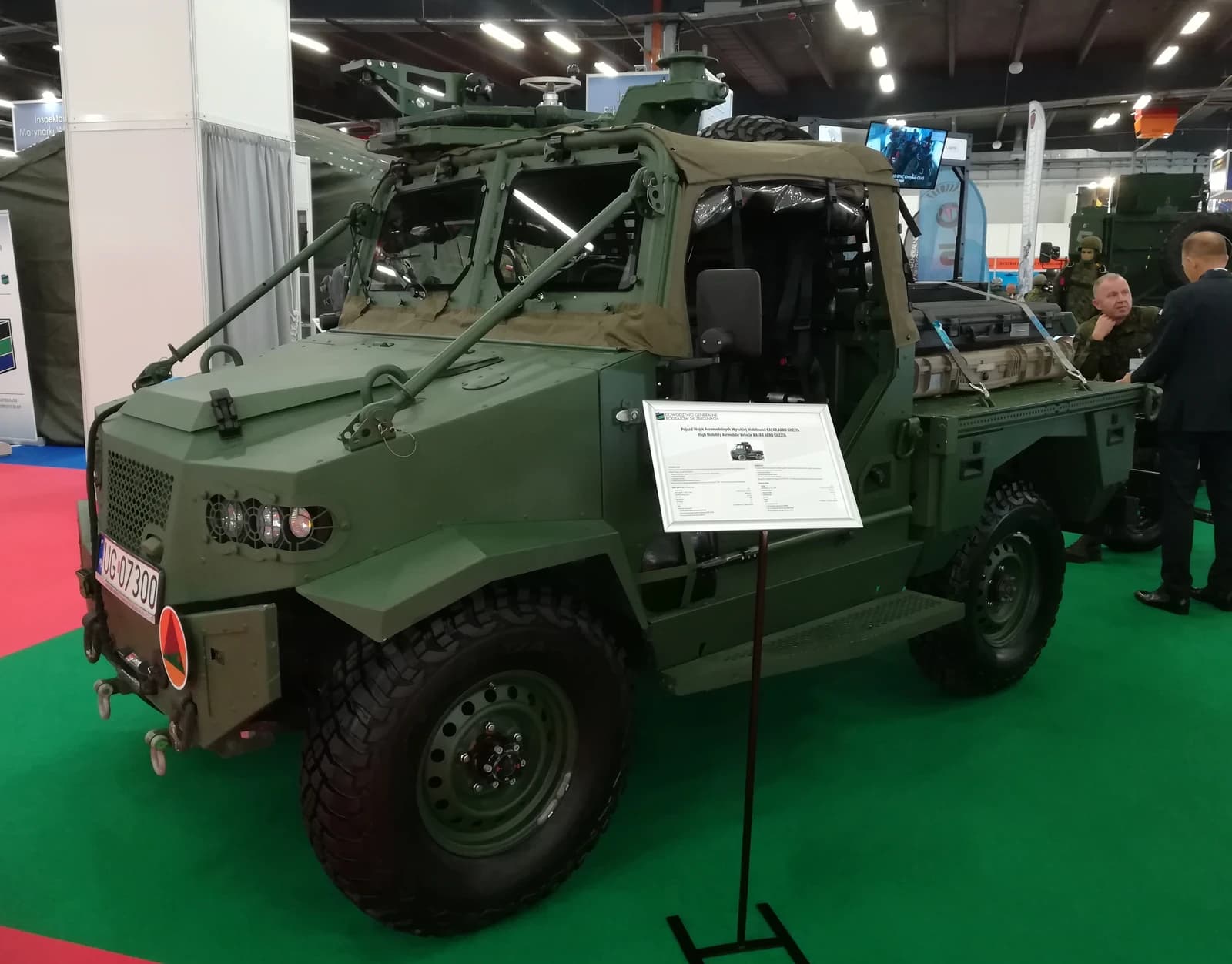
That matters economically because the defense buildout is now feeding factories, jobs and investment across Poland, not just military procurement. PGZ said employment at its plants has risen about 15% over the past two years, while some units are already talking about order visibility stretching 15 years, a rare level of certainty for an industrial group.
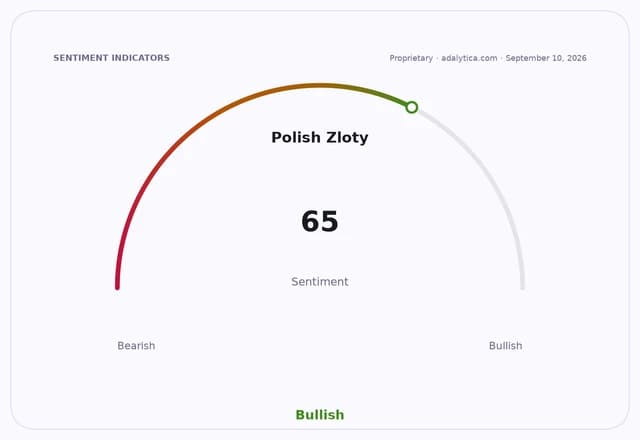
Sentiment IndicatorsⓘProprietary · adalytica.com · September 10, 2026
This is a snapshot — live sentiment, awareness and momentum for 130+ markets update continuously in the dashboard.Open AlphaPulse
For investors and suppliers, the signal is that Poland’s rearmament is no longer a one-off spending burst but a capacity expansion. PGZ said it has already signed agreements worth more than 180 billion zlotys, with first advances flowing into its subsidiaries, and expects the money to support production for years under a new multi-year procurement framework.
The company is also trying to turn that demand into exportable products. Among the headline systems at Kielce are a heavy infantry fighting vehicle demonstrator built by Huta Stalowa Wola, a Borsuk variant with a new 120 mm mortar turret, and a Piorun 2 development model, while PGZ said it is preparing export versions of several platforms for the Middle East.
PGZ’s ambitions extend beyond armored vehicles. The group said it is discussing co-production in Poland of the Barracuda missile with U.S. partner Anduril, with work centered in Bydgoszcz and a range of more than 900 kilometers, a potential new line of business if procurement and industrial cooperation progress.
The broader narrative is that MSPO is being recast as a showcase for Polish industrial capability, not just defense purchasing. PGZ said it is pursuing project-specific partnerships with foreign firms rather than broad framework deals, including in 155 mm ammunition, modular charges, naval systems and rockets, while also advancing “Polonization” of components for Jelcz trucks and other platforms.
For defense contractors such as Lockheed Martin and RTX, the opening matters because Poland is becoming a larger buyer, but also a more demanding industrial partner seeking local production and technology transfer. For PGZ and its suppliers, the upside is a larger domestic base, more exports and a stronger case for new orders from the roughly 15 billion euros in potential additional SAFE-related funds PGZ says it is preparing for.
The next catalyst is whether those intentions turn into signed contracts and whether Poland’s defense spending wave continues to translate into local production rather than imported hardware.
| Entity | Gains | Losses |
|---|---|---|
| PGZ | ▲Bigger order book | ▼Execution risk |
| Polish industry | ▲More jobs and investment | ▼Import dependence |
| Foreign partners | ▲Local market access | ▼Less standalone sales |
| Import suppliers | ▲Shorter supply chain demand | ▼Component share in Poland |