PPC is accelerating its shift into Central Europe with the acquisition of ABO Energy’s businesses in Poland and Hungary, a deal that gives the Greek utility control of more than 2 gigawatts of renewable projects and local development teams as it tries to build a regional clean-power platform by 2030.
PPC buys ABO Energy units in Poland and Hungary
The transaction matters because it moves PPC beyond buying operating assets and into the harder, more valuable part of the renewables chain: securing land, permits, grid access and ready-to-build projects. That can speed asset turnover, lower execution risk and create a pipeline for future construction at a time when developers with scale and local expertise have become increasingly important in Europe’s fragmented power market.
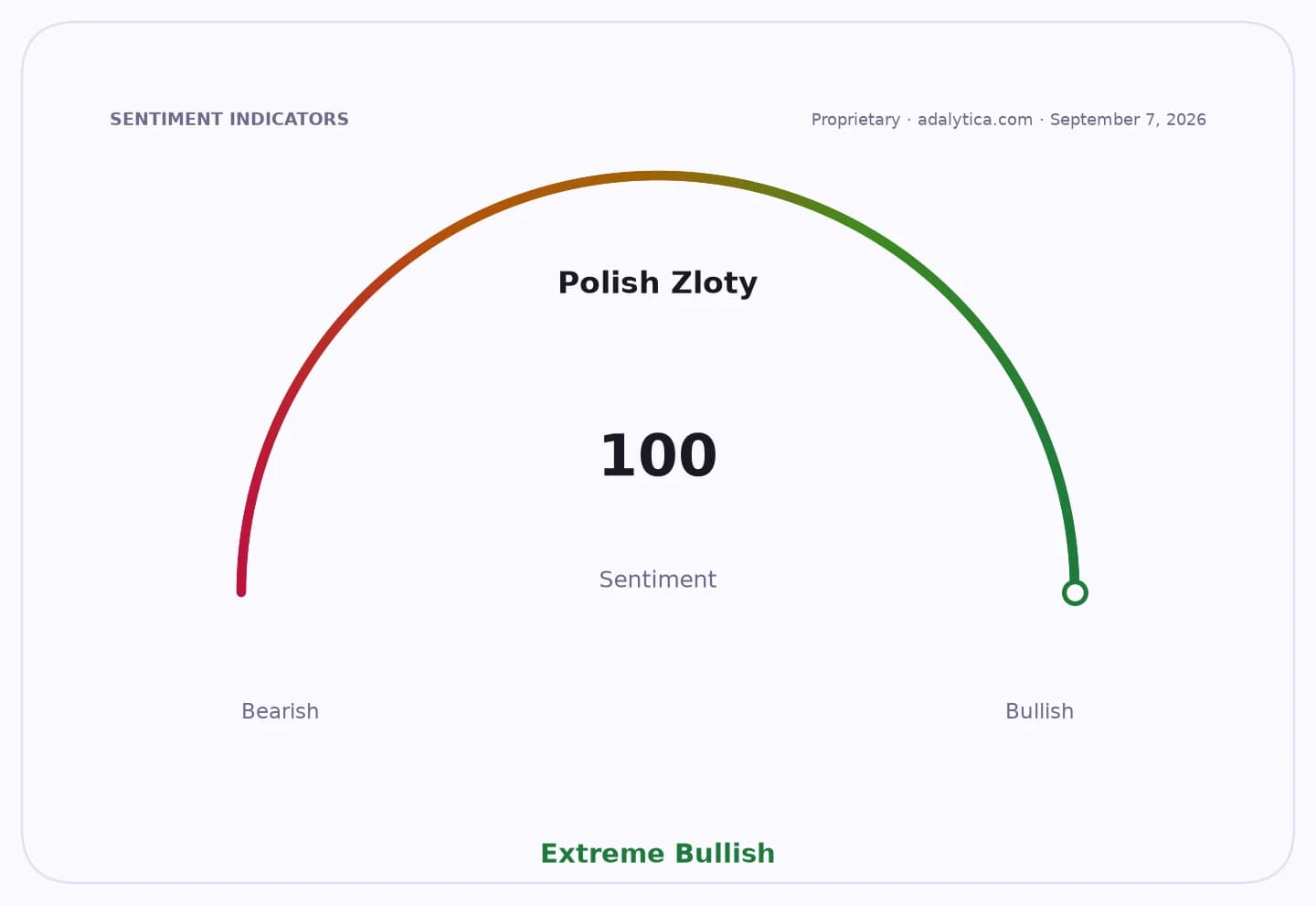
Sentiment IndicatorsⓘProprietary · adalytica.com · September 25, 2026
This is a snapshot — live sentiment, awareness and momentum for 130+ markets update continuously in the dashboard.Open AlphaPulse
PPC said the portfolio includes 29 special-purpose vehicles holding 99 MW of solar assets either operating or near completion, plus more than 2 GW of solar, wind and battery projects at various stages of development. It is also acquiring ABO Energy Polska and ABO Energy Hungary, bringing in teams that already know the local regulatory and grid systems.
For investors, the deal reinforces PPC’s transformation from a domestic power utility into a broader regional renewables and flexibility player. Management has said it wants installed capacity to double to 24.3 GW by 2030 from 12.4 GW in 2025, with annual additions of about 2.4 GW, mainly in renewables, flexible generation and storage. It also expects 45% of capacity to sit outside Greece by the end of the decade, a target that could improve geographic diversification but also raises integration and execution demands.
The acquisition follows PPC’s earlier moves in Hungary and Poland, including a 57.5 MW solar park in Hungary and a 277.3 MW renewables portfolio in Poland, suggesting the company is deliberately stitching together a Central and Southeast European growth corridor. That regional strategy could help PPC capture higher growth markets and spread regulatory exposure, but it also puts capital discipline under scrutiny as acquisition-driven expansion can pressure returns if project development slows or power prices weaken.
The agreement is still subject to regulatory approvals and other customary conditions. Completion is expected in Poland in September 2026 and in Hungary in the fourth quarter of 2026. If PPC can integrate the teams and convert the pipeline into commissioned assets on schedule, the deal could become a template for further expansion in Central Europe; if not, investors may start to question how much of the company’s growth story depends on execution rather than simply asset accumulation.
| Entity | Gains | Losses |
|---|---|---|
| PPC | ▲Larger CEE renewables platform | ▼Higher integration risk |
| ABO Energy | ▲Cash exit from subsidiaries | ▼Loss of regional control |
| PPC shareholders | ▲Faster capacity growth optionality | ▼Dilution if returns disappoint |
| Local rivals | ▲Less deal momentum | ▼Stronger PPC competition |