Russia’s summons of the British representative underscores a widening geopolitical risk around the Ukraine war as intensified weapons deliveries keep driving demand for Western defense stocks, with BAE Systems, Lockheed Martin and RTX all trading in the aftermath of renewed pressure on supply routes and military logistics.
Russia Ukraine war lifts defense stocks BAE Lockheed RTX
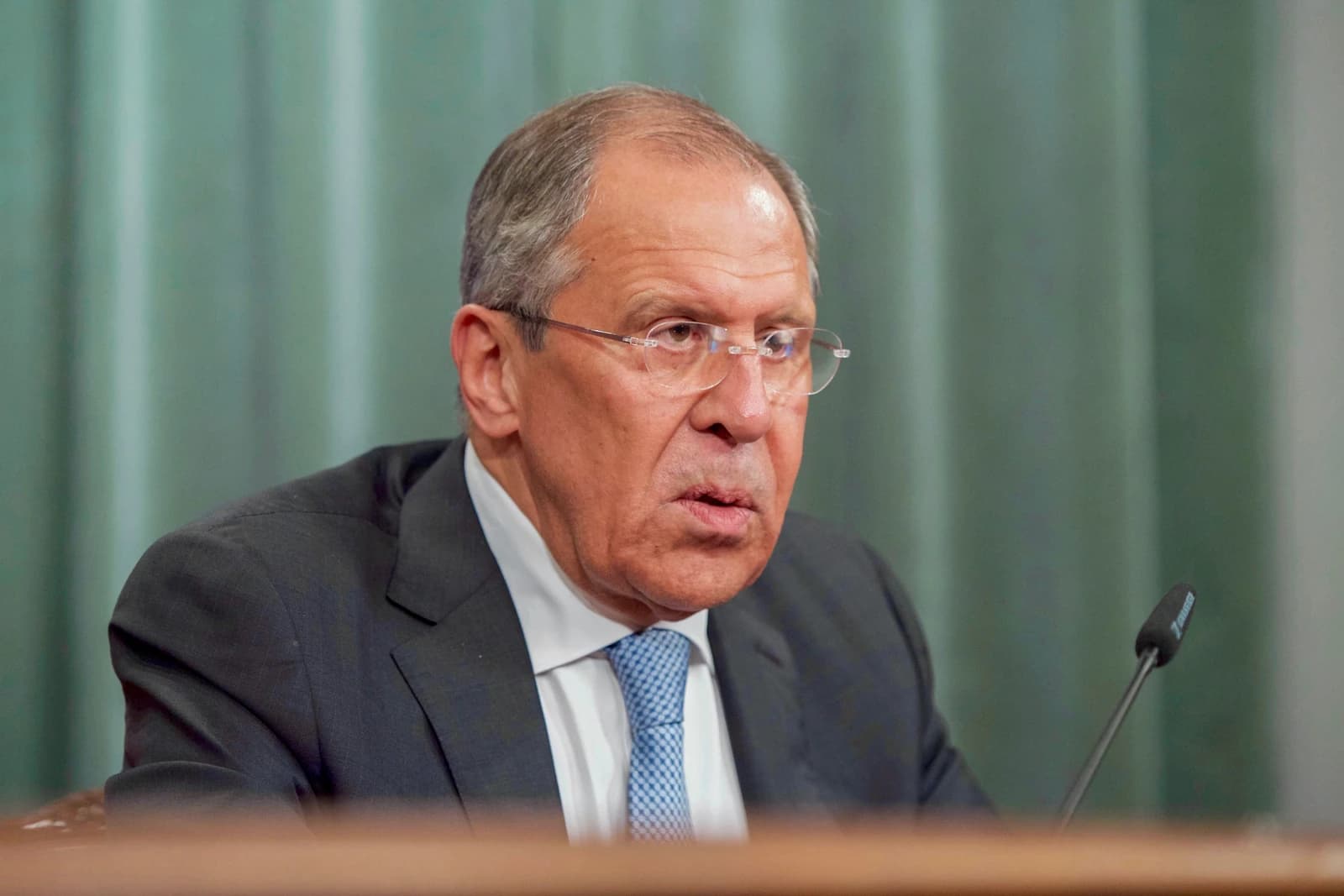
The protest came as Moscow accused London of stepping up arms shipments to Kyiv, a move that deepens the confrontation between Russia and NATO members even as the battlefield increasingly depends on industrial capacity as much as battlefield maneuvering. For markets, that matters because the war is no longer just a macro shock or a regional conflict: it is a continuing procurement cycle that channels more money into missiles, air defense, artillery, drones and replenishment orders for Western contractors.
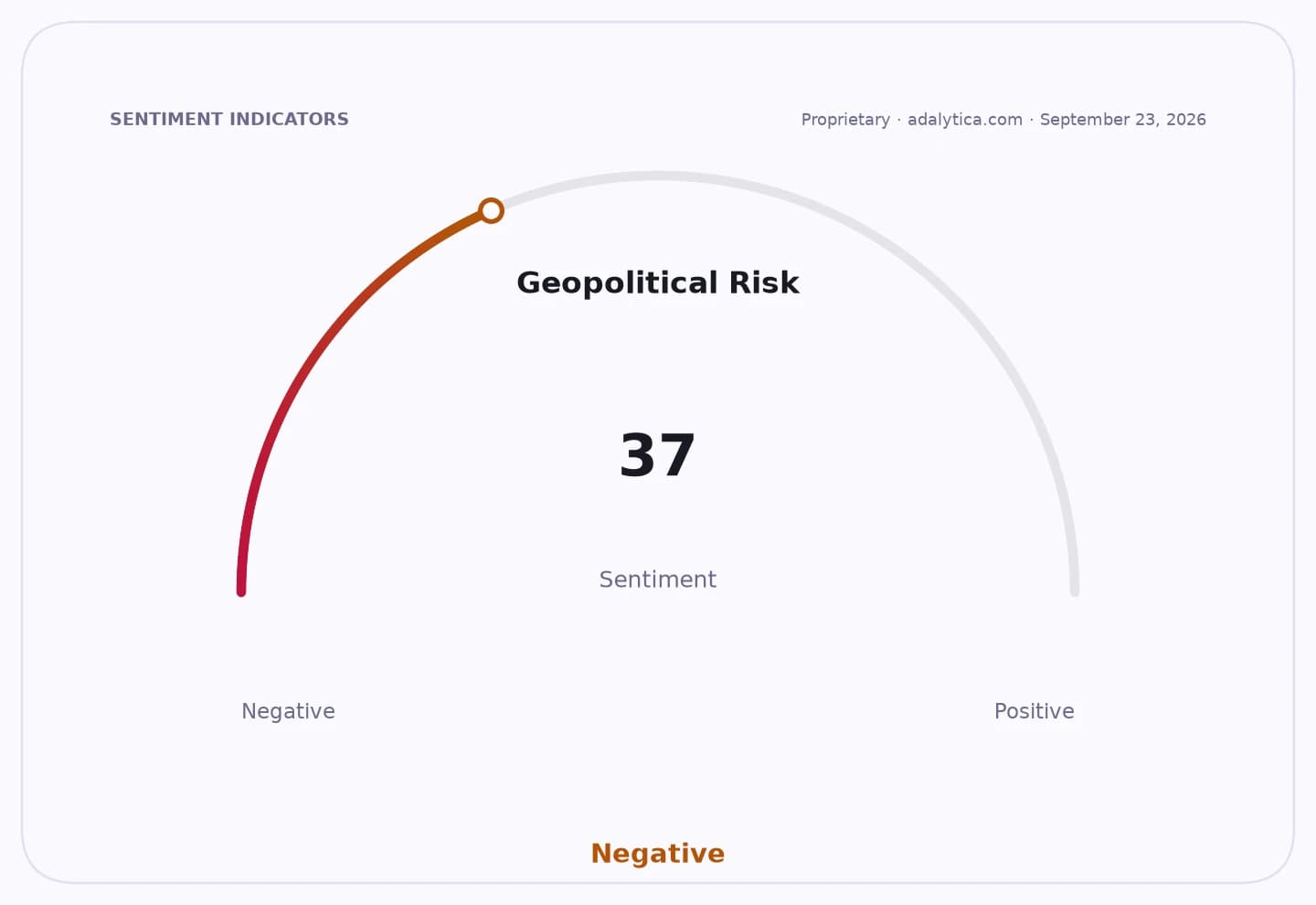
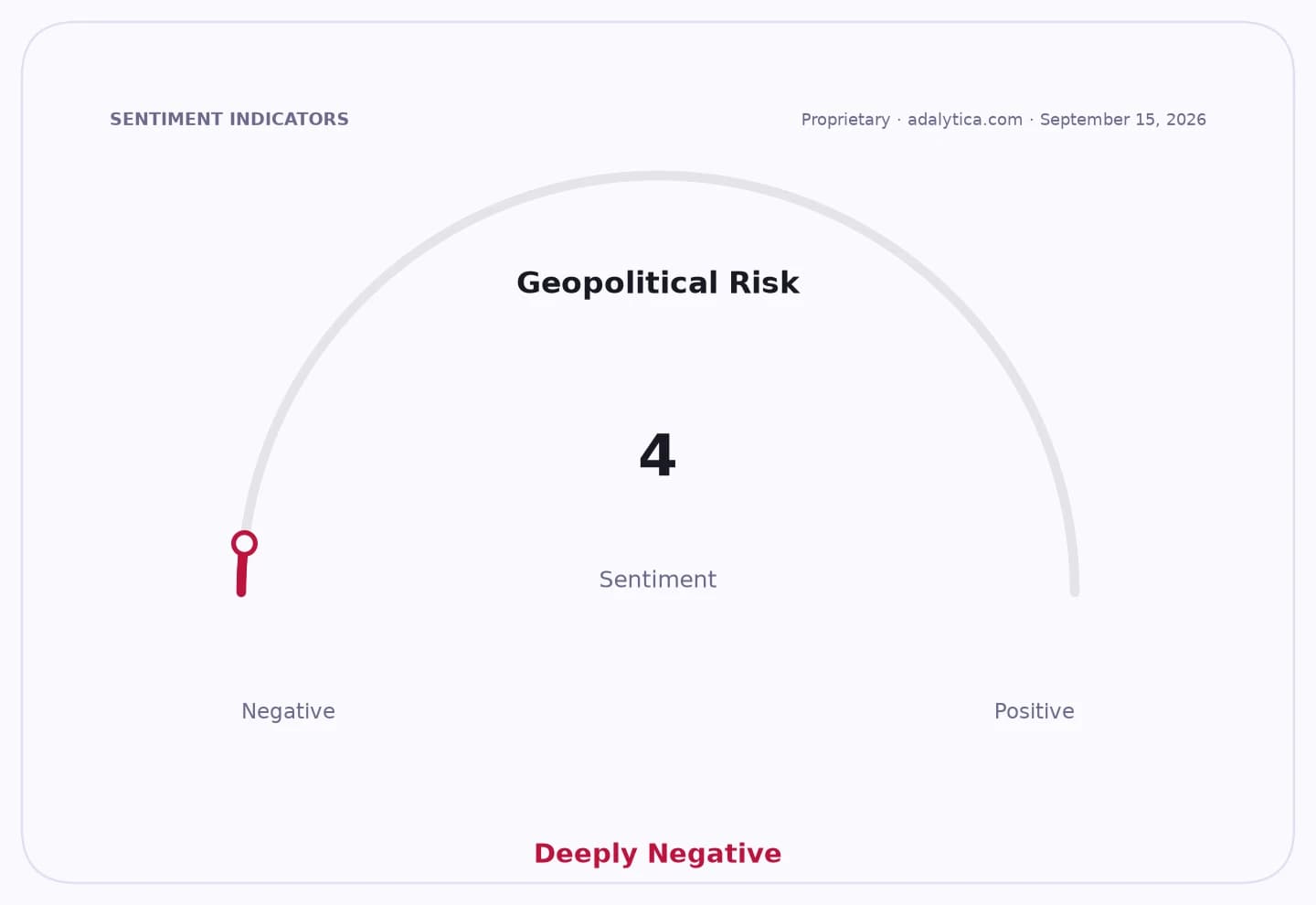
Sentiment IndicatorsⓘProprietary · adalytica.com · September 20, 2026
This is a snapshot — live sentiment, awareness and momentum for 130+ markets update continuously in the dashboard.Open AlphaPulse
That dynamic is visible in equity pricing. BAE Systems, which has exposure to munitions and combat systems, has held up far better than the broader market over the past year, though its recent technical readings suggest some consolidation after a sharp run. The stock closed at 108.42 on Sept. 18, above its 50-day average of 110.05 and 200-day average of 107.61, while RSI readings near 45 indicate it has cooled from overbought levels earlier in the year. Even so, the shares remain well above the lows seen in February, reflecting investor confidence that European rearmament and Ukraine-linked orders can support earnings for longer than initially expected.
Lockheed Martin has been more volatile but remains the clearest U.S. proxy for sustained missile and air-defense demand. The stock fell to 533.38 on Sept. 18 from 604.94 in mid-August, and its RSI near 35 shows the name has been reset after a strong surge that took it to 668.17 in March. That pullback does not change the broader thesis: if European governments keep financing Ukraine’s resupply and domestic stockpiles, prime contractors with missile, air-defense and sustainment franchises should continue to see a steady order flow, even if margins are pressured by production bottlenecks and higher working capital needs.
Geopolitical Risk — 30-day sentimentadalytica.com
Explore this data interactively — full history, time series and cross-market comparisons.Open AlphaPulse
RTX, which sits at the intersection of guided weapons, sensors and defense electronics, has also been hit by the recent risk-off move in defense names. It closed at 194.00 on Sept. 18, far below its 50-day average of 207.70 and 200-day average of 192.97, with RSI around 15 indicating deeply oversold conditions. That kind of positioning can amplify any rebound if investors conclude that the latest escalation increases the probability of additional procurement, inventory replacement and allied support packages. In practical terms, a more prolonged conflict usually favors companies with broad missile-defense and sustainment exposure rather than those dependent on a single program.
The economic significance is straightforward: more shipments to Ukraine imply more Western fiscal outlays, more factory utilization in defense supply chains and more pressure on already stretched inventories. For Europe, that keeps defense spending elevated at a time when growth is weak and budgets are tight. For the U.S., it reinforces the argument that geopolitical risk is supporting a structural step-up in military spending rather than a one-off spike.
The other side of the trade is political and logistical. Russia’s attacks on ports and transport links are meant to raise the cost of sustaining Ukraine, while diplomatic protests against Britain are aimed at deterring additional assistance. But if anything, the pattern so far has done the opposite: it has pushed NATO members toward longer-term procurement planning and away from the short replenishment cycles that investors once assumed would fade after the first wave of aid.
For investors, the key question is whether the market is underestimating the duration of this rearmament cycle. If arms shipments keep increasing and the conflict remains entrenched, defense contractors with missile, air-defense and maritime-security exposure should keep enjoying above-trend demand. If diplomacy gains traction, the sector could give back some of the premium it has accumulated. For now, the message from Moscow’s protest is that the supply chain to Ukraine remains active — and so does the investment case for the companies making and moving the weapons.
| Entity | Gains | Losses |
|---|---|---|
| BAE Systems | ▲Higher Europe demand | ▼Valuation cool-off risk |
| Lockheed Martin | ▲Missile order flow | ▼Short-term volatility |
| RTX | ▲Air-defense replenishment | ▼Oversold but shaky sentiment |
| Russia | ▲Diplomatic leverage attempt | ▼More NATO resolve |