Poland is telling citizens to prepare for possible air attacks, a sign that the country now sees civil defense as an economic and security necessity rather than a wartime relic.
Poland civil defense guide boosts resilience spending
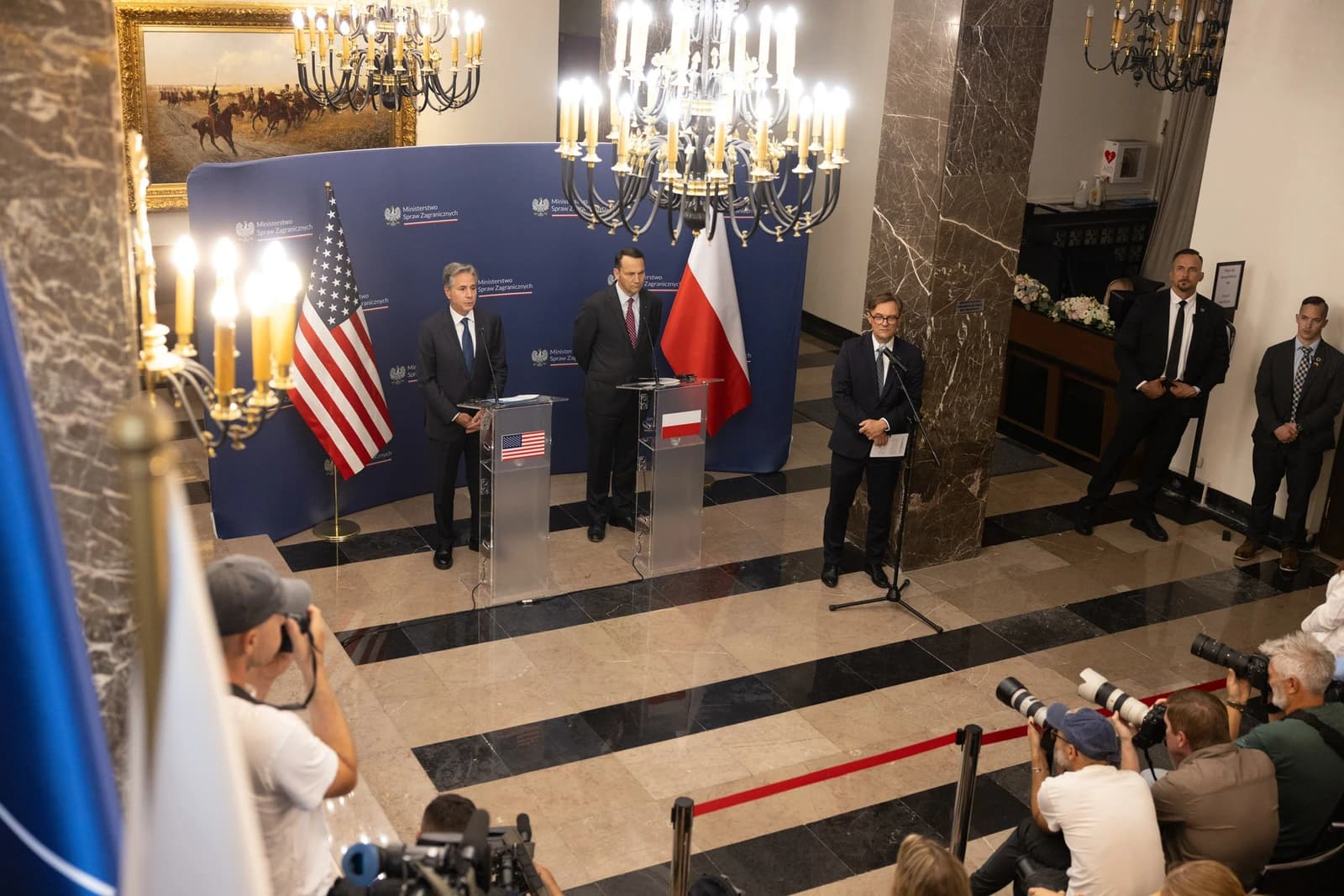
The interior ministry’s 12-page guide, being rolled out from Sept. 25, lays out where to shelter, what to pack in an emergency bag, how to communicate if networks fail and how to behave if an explosion happens nearby. That may sound basic, but in a country bordering the war in Ukraine, it is the clearest signal yet that Warsaw is moving from abstract preparedness to practical resilience.
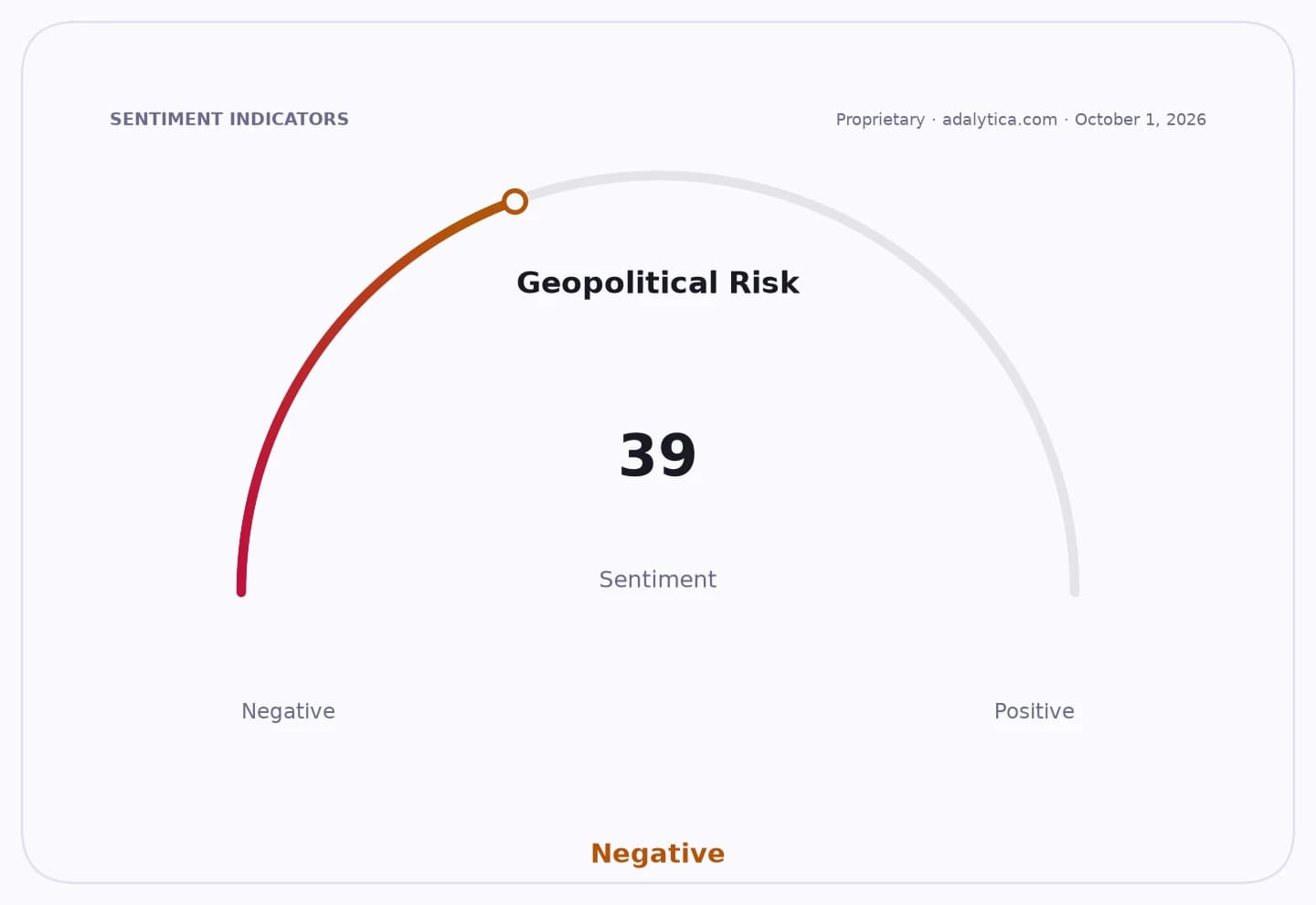
Sentiment IndicatorsⓘProprietary · adalytica.com · October 1, 2026
This is a snapshot — live sentiment, awareness and momentum for 130+ markets update continuously in the dashboard.Open AlphaPulse
For investors, the significance is bigger than a pamphlet. Civil defense spending is a downstream response to a more dangerous European risk premium: more money for warning systems, shelters, communications, logistics, emergency gear and local response infrastructure. Those are the kinds of budgets that tend to endure because they are tied to national security, not discretionary politics. In a region where defense procurement has already been accelerating, Poland is now extending the same logic to the home front.
The timing matters. Polish authorities said the campaign is linked to Russian air attacks near the border and repeated airspace violations, including a recent incident in which a Russian Mi-8 helicopter entered Polish airspace from Kaliningrad, flying about 300 meters inside NATO territory for roughly 42 seconds before fighter jets were scrambled. Warsaw called it a test of air-defense readiness. That is the sort of pressure that forces governments to spend even when growth is soft and fiscal choices get tighter.
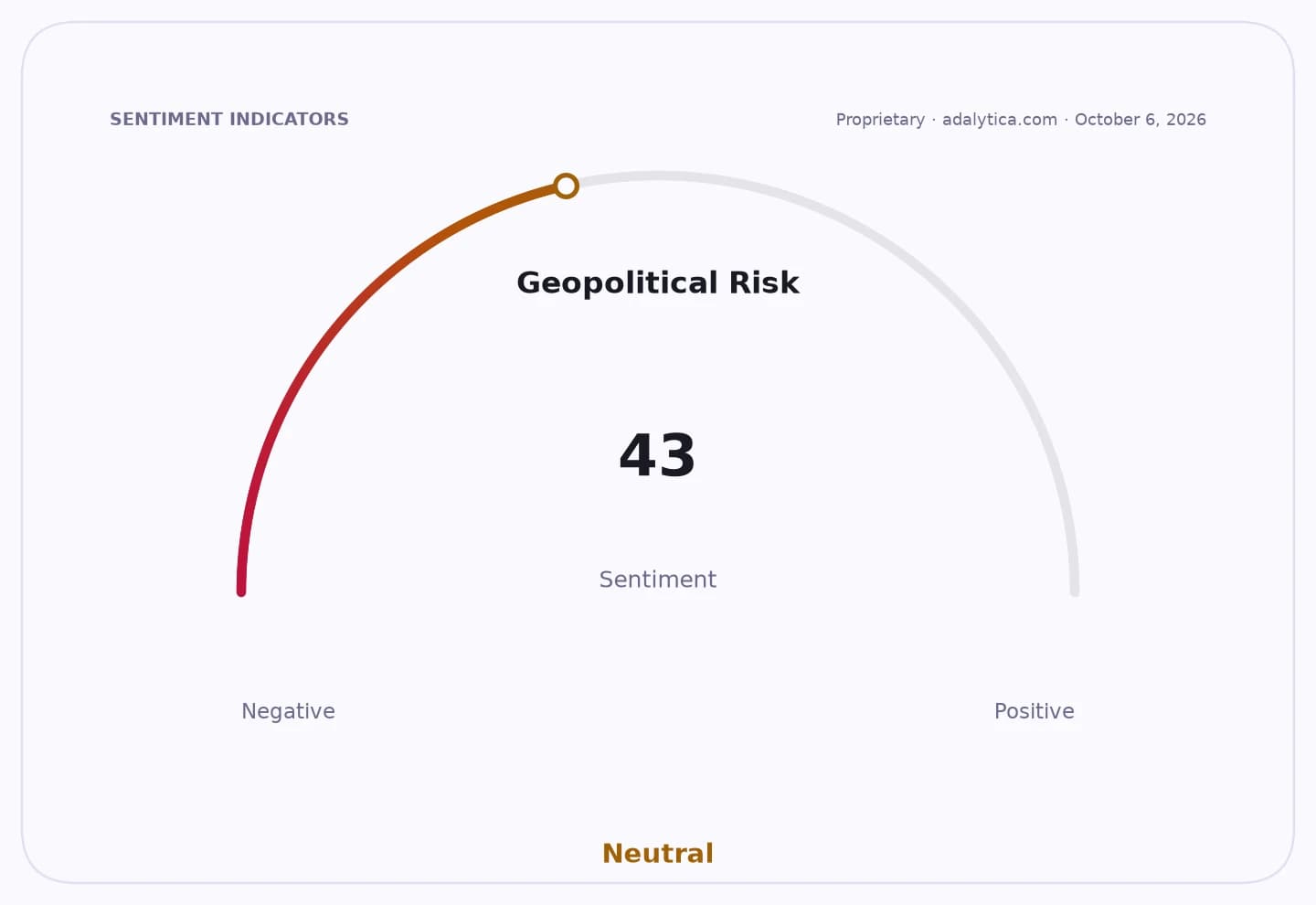
Geopolitical Risk — 30-day sentimentadalytica.com
Explore this data interactively — full history, time series and cross-market comparisons.Open AlphaPulse
The broader message is that Poland is preparing for a longer conflict horizon. Officials have already run public drills in eastern regions and plan more exercises in the north-east, while also modernizing the national alert system and working on Cell Broadcast warnings to send emergency messages directly to phones. That creates a visible tailwind for companies tied to public safety, telecom infrastructure, secure messaging, shelters, emergency equipment and command-and-control systems.
The market already has a way to express the theme. The iShares MSCI Poland ETF has recovered to around $43 from its spring lows, with the 200-day moving average near $39. The recent pullback leaves it above that long-term trend, suggesting investors have begun to price in a steadier security backdrop, even as short-term technicals cool. That does not make Poland risk-free; it makes preparedness more investable.
The deeper thesis is that Europe’s eastern frontier is becoming a structural defense and resilience trade. Poland is not just buying weapons; it is training households, hardening communications and normalizing readiness. That favors the “picks-and-shovels” names behind emergency response and critical infrastructure more than any single headline defense contractor. If you believe geopolitical risk in Europe is sticky, this is the kind of policy shift that compounds for years.
The actionable takeaway: watch Poland and the broader Central European defense-resilience complex as an underappreciated beneficiary of the region’s new security doctrine. The market is still treating preparedness like a headline; the smarter trade is to treat it like a capex cycle.
| Entity | Gains | Losses |
|---|---|---|
| Polish government | ▲Security readiness | ▼Political comfort |
| Emergency equipment makers | ▲Higher demand | ▼N/A |
| Telecom and alert-system vendors | ▲Public contracts | ▼N/A |
| Household consumers | ▲Better preparedness | ▼More fear and expense |