Poland is preparing an emergency food-supply plan that would fold private factories and warehouses into its critical infrastructure network as Warsaw moves to harden the economy against the risk of war and sabotage.
Poland Food Supply Emergency Plan Targets Resilience

That matters because food security is no longer being treated as a routine agricultural issue. It is becoming a national security asset, with the agriculture ministry working on a five-year program for strategic reserves in a country that sits on NATO’s eastern flank and is already weighing evacuation plans with Lithuania amid heightened regional tensions.
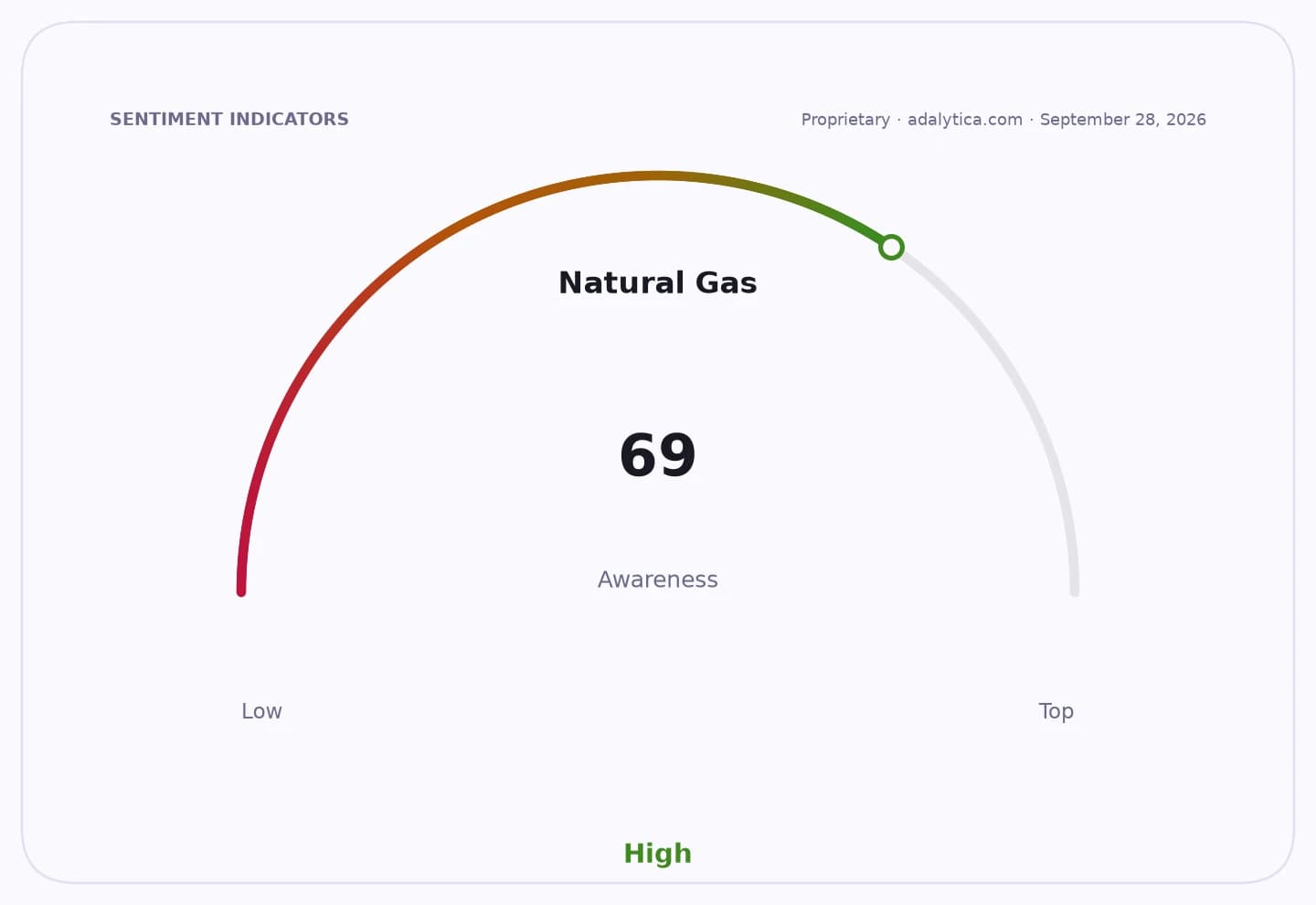
Sentiment IndicatorsⓘProprietary · adalytica.com · September 28, 2026
This is a snapshot — live sentiment, awareness and momentum for 130+ markets update continuously in the dashboard.Open AlphaPulse
The proposal would give the state a clearer map of where grain, flour, sugar, fats and meat can be stored, processed and moved in a crisis. It also reflects a broader admission that Poland’s food system, despite being among the top 20 to 25 countries globally for food security, remains exposed at the seams: imported soymeal, feed additives and veterinary medicines, along with heavy dependence on electricity, gas and fuel.
For investors, the bigger message is that defense spending is only one part of Europe’s new security capex cycle. The other is resilience spending — warehouses, logistics, backup power, processing capacity and supply-chain redundancy. That creates an asymmetric opportunity in companies tied to storage, transport, cold chain, packaging, fertiliser substitutes, backup generation and industrial electrification. In a region where governments are increasingly willing to classify private assets as critical infrastructure, the market underestimates how quickly policy can turn ordinary agricultural assets into strategic ones.
Poland’s move also reinforces why the country remains one of the more interesting defensive plays in Europe. It is not just a frontline state; it is a frontline logistics hub. If Warsaw starts inventorying storage and production capacity more systematically, the beneficiaries are likely to be domestic food processors, warehouse operators, rail and trucking firms, and utilities that can guarantee uninterrupted power and fuel access. The losers are import-dependent operators and any businesses with thin margins and no resilience investment.
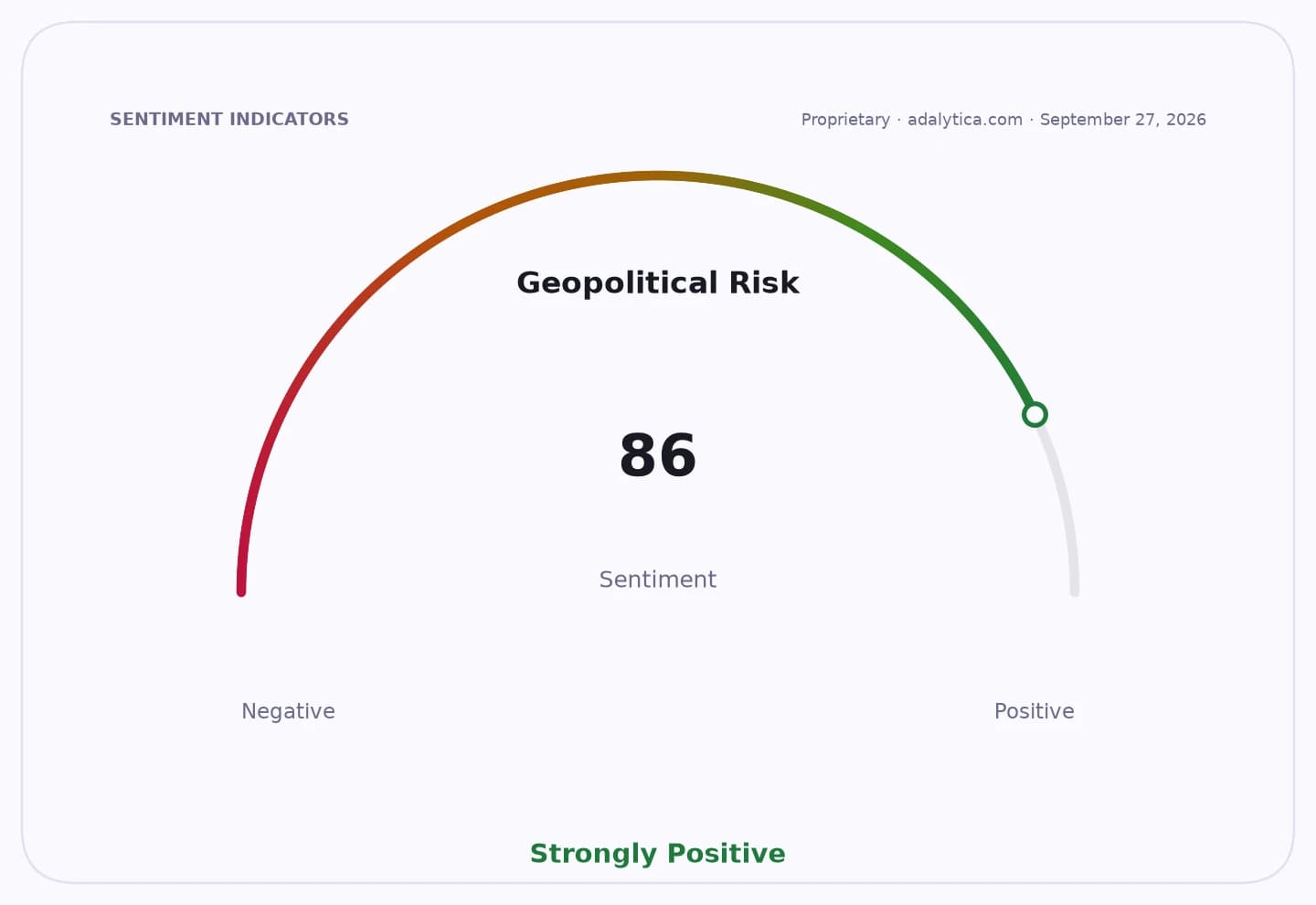
The timing is notable. With geopolitical risk elevated and the threat of hybrid attacks extending beyond military targets into communications and infrastructure, governments will keep tightening contingency planning. That should support a multi-year rerating of resilience-linked assets across Poland and the broader eastern flank. For investors, the thesis is straightforward: follow the state’s emergency planning, because the next wave of capital spending may come from preparedness, not growth.
| Entity | Gains | Losses |
|---|---|---|
| Polish warehouse and logistics firms | ▲Higher strategic role | ▼Limited capacity gets pressured |
| Domestic food processors | ▲Government priority support | ▼Import-dependent peers |
| Utilities and backup power providers | ▲Resilience capex demand | ▼Firms exposed to outages |
| Foreign feed and input suppliers | ▲None | ▼Reduced supply-chain leverage |