The key pipeline feeding Poland’s planned floating LNG terminal in the Gulf of Gdańsk has passed its mandatory technical tests, bringing the project closer to a 2028 start and unlocking the next tranche of state-backed funding.
Poland Gdańsk FSRU Pipeline Passes Technical Tests
Gaz-System said the 250-kilometer Gdańsk-Gustorzyn gas line successfully completed an “intelligent pig” inspection, a milestone that confirms the quality of construction along the route and clears the way for the operator to seek the first payment under a 2.2 billion zloty loan from Poland’s Recovery and Resilience Plan.
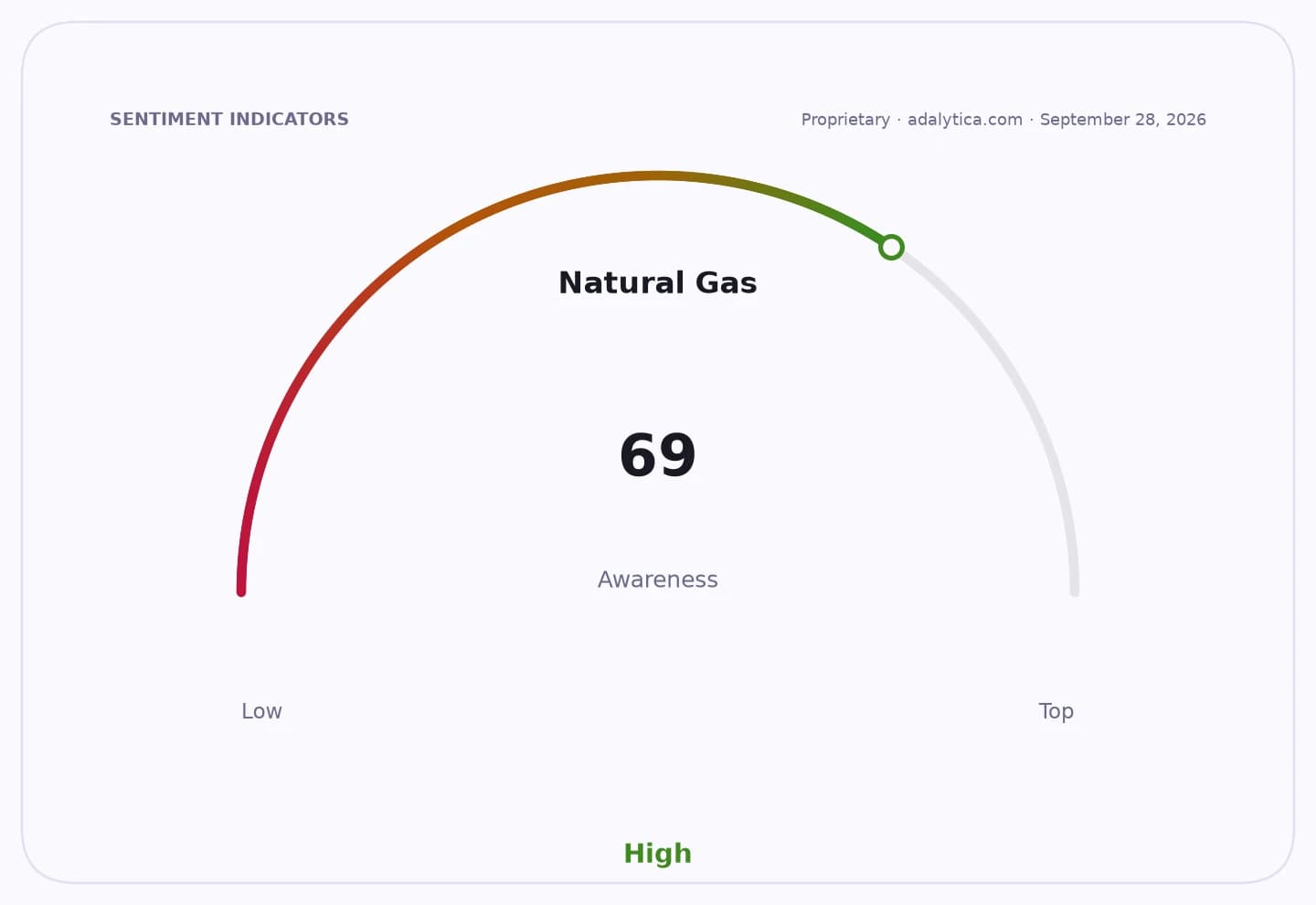
Sentiment IndicatorsⓘProprietary · adalytica.com · September 28, 2026
This is a snapshot — live sentiment, awareness and momentum for 130+ markets update continuously in the dashboard.Open AlphaPulse
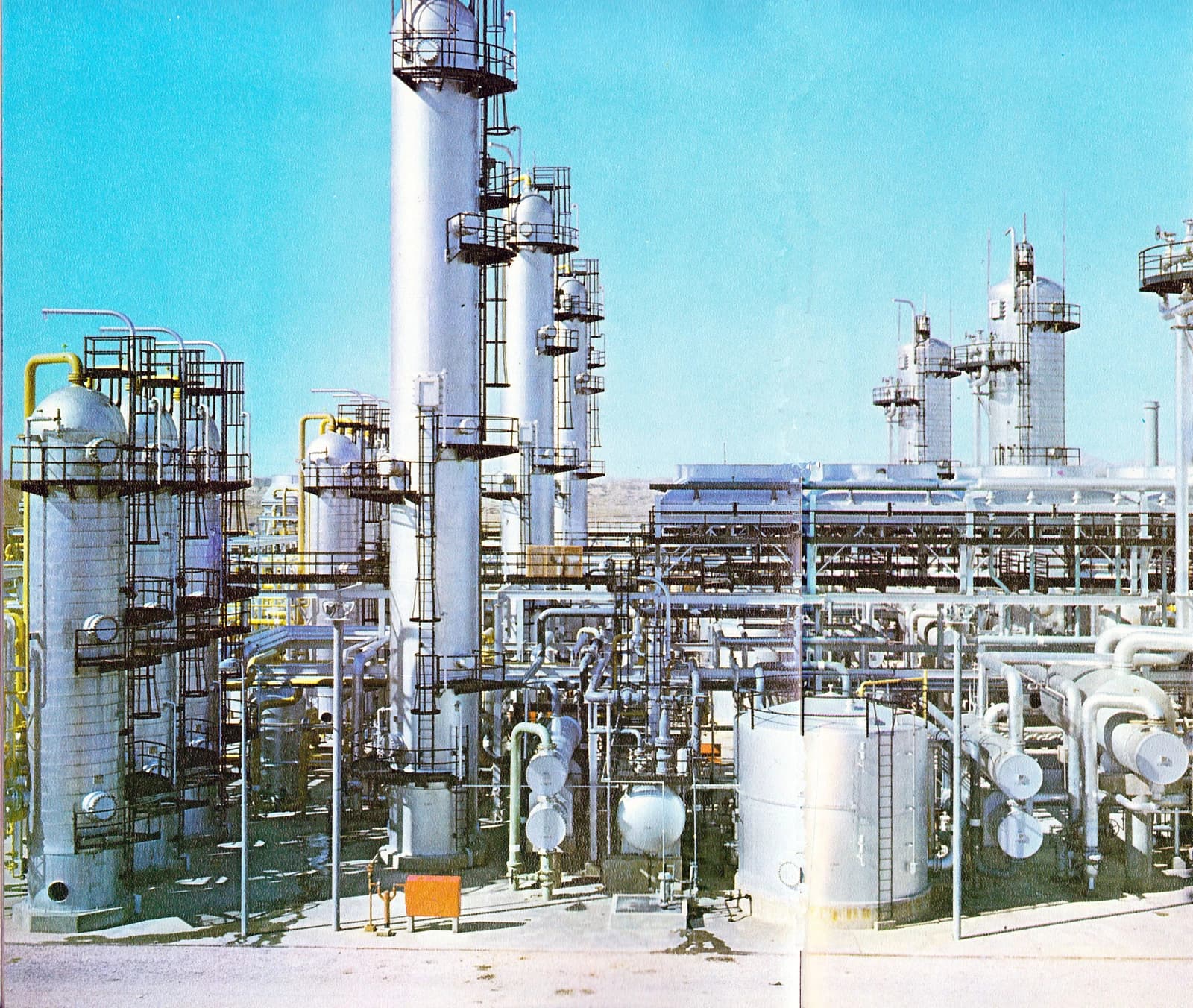
That matters because the onshore pipeline is the critical link between the FSRU, or floating storage and regasification unit, and Poland’s domestic grid. Without it, LNG imported by ship cannot flow into the system or onward to customers in Poland and the wider region. For Warsaw, the project is part energy-security infrastructure, part industrial policy and part regional market play: the government wants to reduce dependence on pipeline gas and turn Poland into a gas hub for Central Europe.
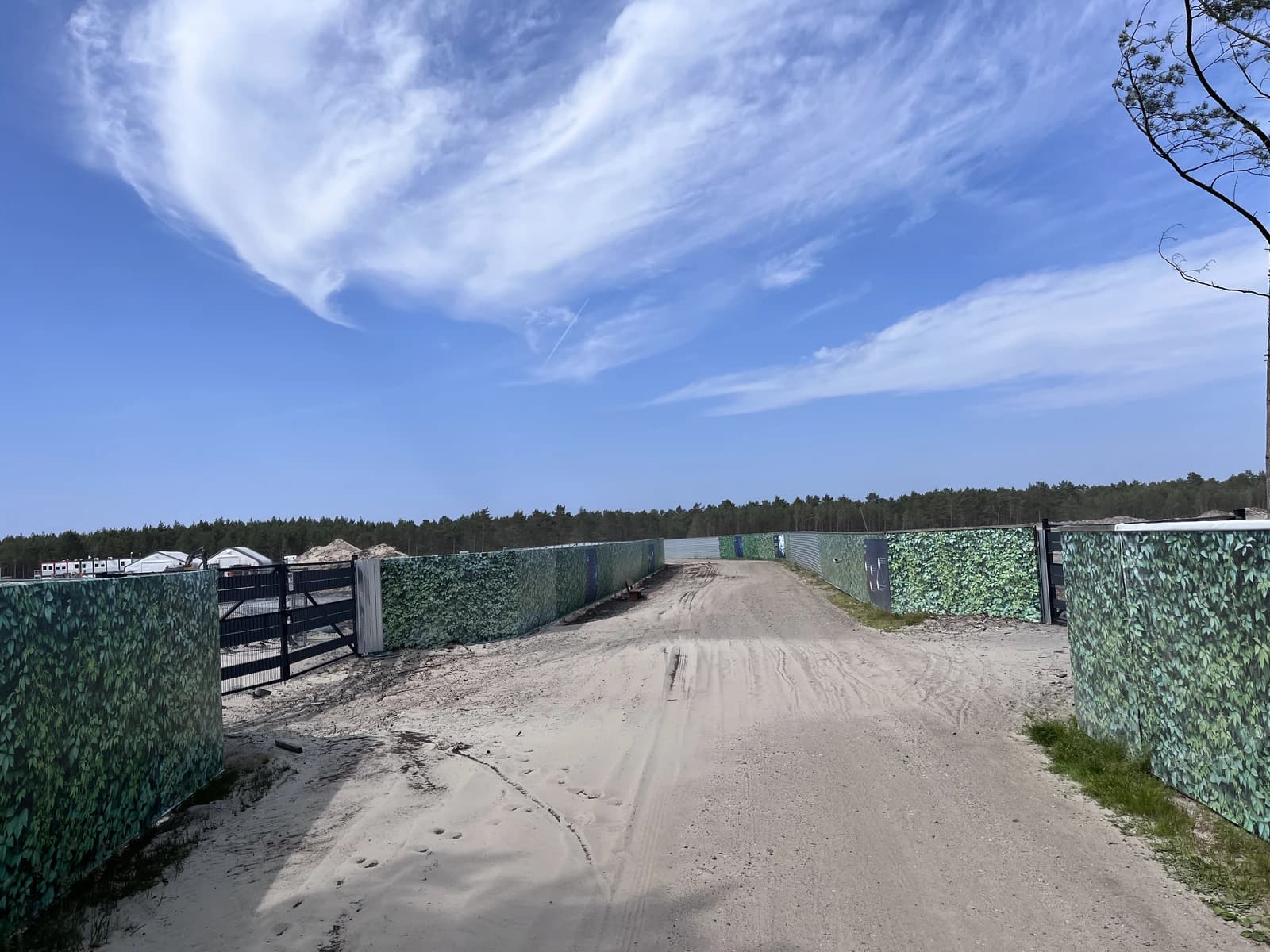
Gaz-System said remaining work on the land section now focuses on final site restoration, drainage reconstruction, route marking and work on buildings. The operator said the first FSRU terminal is scheduled to begin regasification services at the start of 2028 and is designed to handle 6.1 billion cubic meters of gas a year.
That scale is economically significant. In a country that has spent years reconfiguring its gas supply after Russia cut flows to Europe, 6.1 bcm would be a meaningful addition to import capacity and give buyers more flexibility in securing LNG cargoes from the global market. It also adds another outlet for North American, Qatari and other LNG exporters at a time when Europe remains dependent on seaborne supplies to replace lost Russian volumes.
For investors, the milestone lowers execution risk on a long-dated infrastructure project that has already attracted public financing and private commercial interest. Gaz-System said the positive inspection result allows it to apply for the first KPO payment, reducing funding uncertainty. The confirmation also supports the broader thesis that Poland’s gas buildout is moving from planning into monetisable infrastructure, with the second planned FSRU in Gdańsk already framed as a commercial project and four parties having booked long-term access.
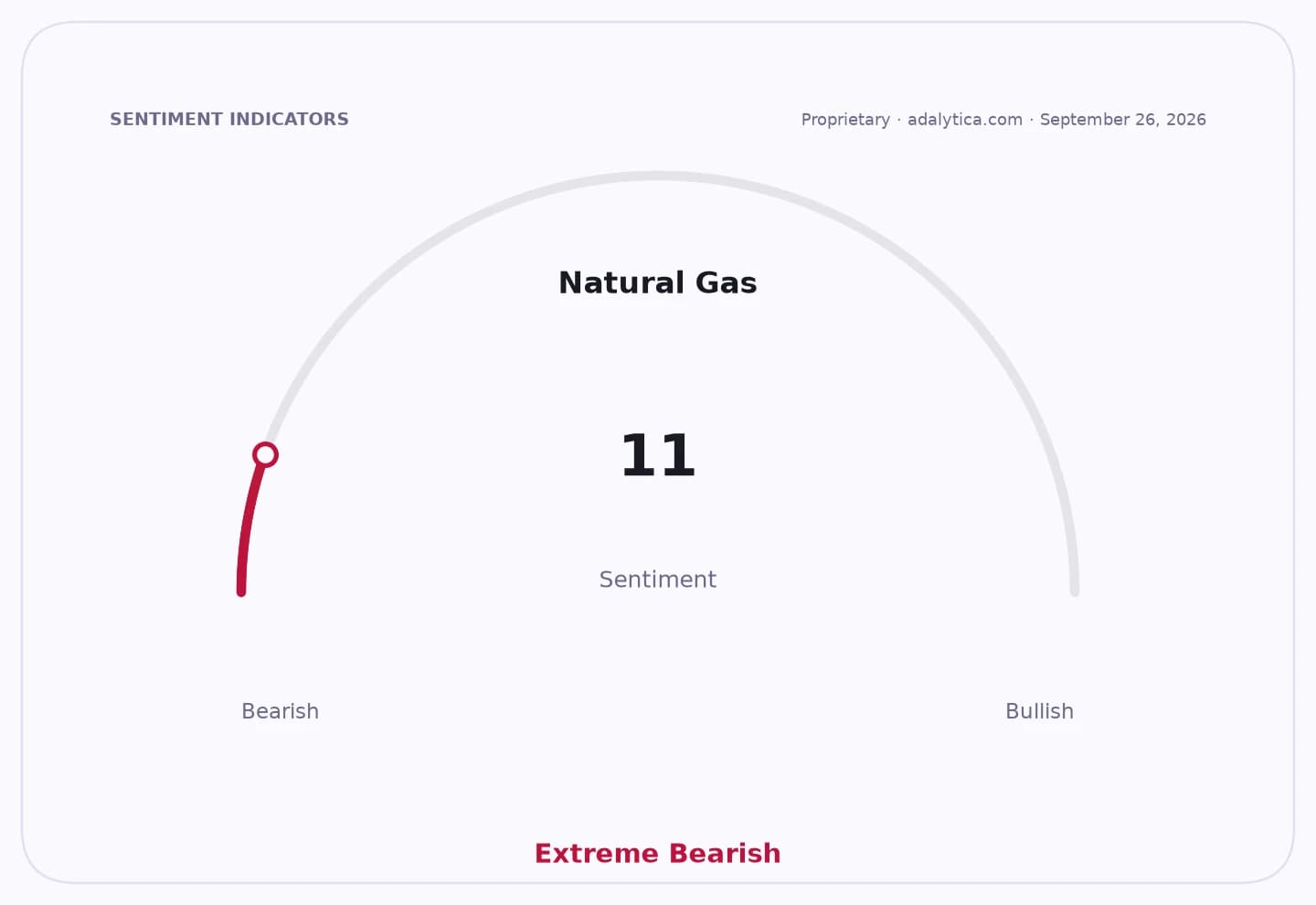
The market backdrop is still supportive, even if volatile. Adalytica’s natural gas market signals show “extreme fear,” reflecting how quickly LNG sentiment can swing on supply disruptions, weather and geopolitical risks. At the same time, geopolitical-stability sentiment remains elevated, underscoring how energy infrastructure is increasingly viewed through a security lens rather than a purely commodity one.
The bull case is that Gdańsk becomes a durable gateway for LNG imports in a market that still needs redundancy and route diversification. The bear case is execution: large grid projects can slip on permitting, final construction or commissioning, and the economics of future throughput will depend on European gas demand, cargo competition and infrastructure completion elsewhere in the region.
For now, the message is straightforward: Poland’s FSRU plan is moving from civil works toward operational readiness, and each technical pass makes the 2028 launch look more credible. The next catalysts are completion of the remaining onshore works, KPO disbursement and progress on the second terminal, which could deepen Poland’s role in regional gas logistics.
| Entity | Gains | Losses |
|---|---|---|
| Gaz-System | ▲Funding access | ▼Execution risk |
| Poland | ▲Gas security | ▼Import dependence |
| LNG exporters | ▲New demand outlet | ▼Spare cargo uncertainty |
| Existing pipeline suppliers | ▲Less strategic leverage | ▼Market share at risk |