Poland is moving to build out an “underground shield” of air raid shelters for its 38 million people, a costly civil-defense push that underscores how Russia’s war in Ukraine is reshaping security spending across eastern Europe.
Poland plans 8 billion euro shelter buildout
The government has already put in place a new shelters law requiring refuge space and emergency exits in all new buildings, while also targeting metro stations, underground car parks and public buildings for conversion. The program is backed by 8 billion euros and aims to create about 32,000 shelters over the medium term, after officials found the current network is too small, too old and too poorly equipped to cope with a large-scale attack.
Sentiment IndicatorsⓘProprietary · adalytica.com · September 28, 2026
This is a snapshot — live sentiment, awareness and momentum for 130+ markets update continuously in the dashboard.Open AlphaPulse
That matters economically because it marks a shift from emergency rhetoric to long-term public investment. Poland currently has 85,739 shelters, but only 1,903 are classified as high-protection facilities, with another 8,719 offering some protection. In total, the country has about 1.43 million shelter places, including roughly 300,000 in anti-nuclear shelters — far short of what would be needed in a mass-casualty scenario.
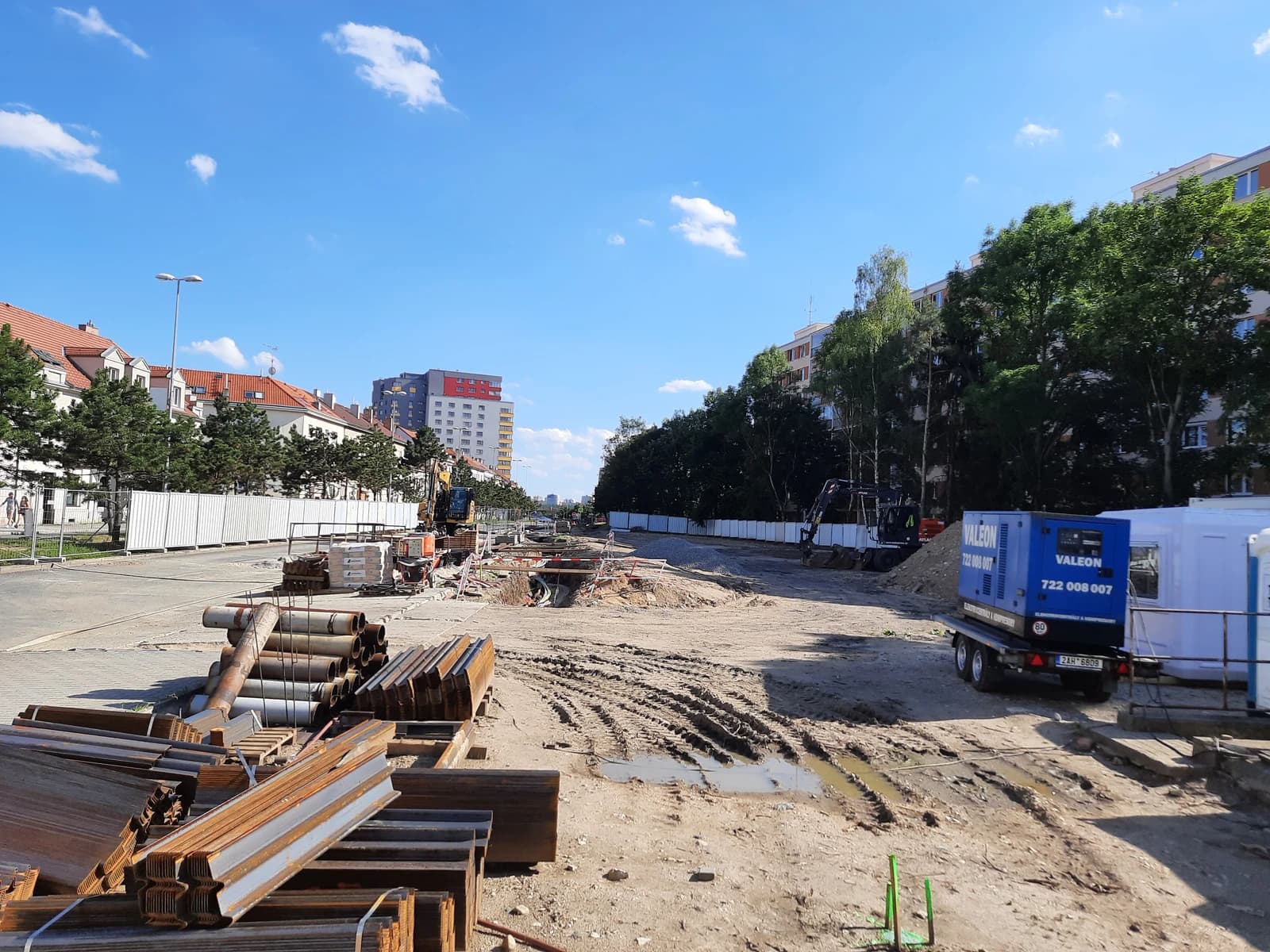
The new spending also has implications for construction, infrastructure and defense suppliers. Retrofitting existing buildings, stations and parking structures will likely funnel contracts toward contractors, ventilation, communications and safety-equipment providers, while creating a steadier domestic market for civil-defense modernization. It also reflects a wider European trend toward bolstering critical infrastructure after repeated Russian missile and drone attacks on Ukraine and occasional airspace incursions into Poland.
Authorities are trying to prepare households as well as buildings. The interior ministry has distributed a manual to about 17 million households with instructions for air or chemical attacks, including three days’ worth of food reserves and emergency kits, and has launched a mobile app and website to help residents find nearby shelters. Officials say shelters should carry at least three liters of water per person per day, nonperishable food, flashlights and communications equipment.
The push comes against a backdrop of rising public anxiety, with clinicians in Krakow reporting a sharp increase in patients’ fears of war, and with Poland stepping up vigilance after the arrest of a teenager over alleged neo-Nazi attack plans. For investors, the bigger takeaway is that the country’s defense posture is becoming a multi-year budget priority, with spillover benefits for public works and security contractors as Warsaw moves to harden the civilian rear.
| Entity | Gains | Losses |
|---|---|---|
| Polish government | ▲Higher civil-defense readiness | ▼Bigger fiscal burden |
| Construction and infrastructure firms | ▲Retrofitting contracts | ▼Execution and cost pressure |
| Defense and safety equipment suppliers | ▲Steadier demand | ▼Limited by procurement pace |
| Polish households | ▲More protection and guidance | ▼Higher anxiety and disruption |