Construction production in Poland rebounded in August, with output rising 6.7% from a year earlier as infrastructure projects surged 29%, underscoring how public investment is becoming the main engine of activity in an otherwise uneven building market.
Poland Construction Output Rises on Infrastructure
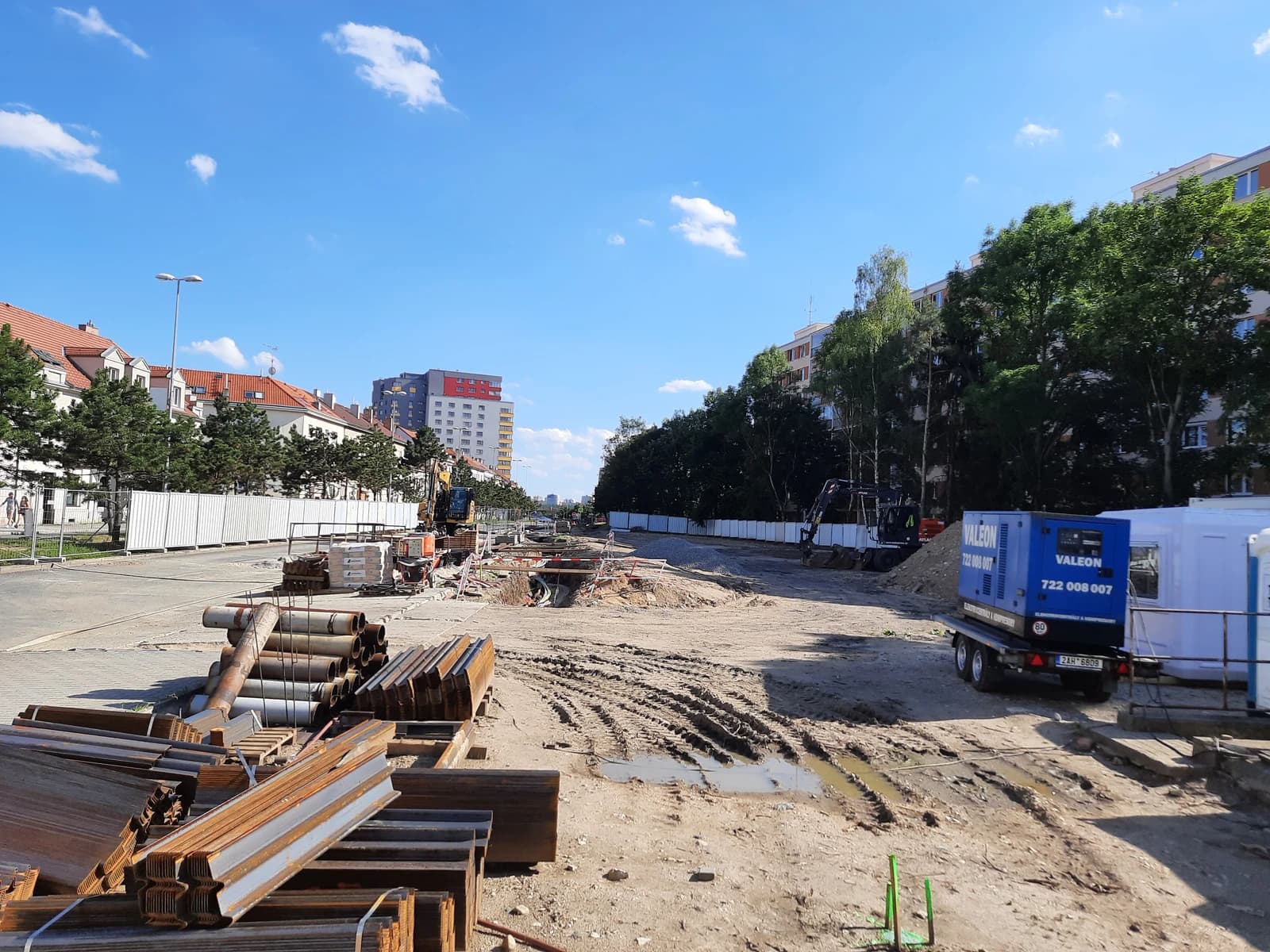
The headline gain matters because construction is one of the clearest gauges of domestic investment momentum. A sharp jump in roads, bridges and other infrastructure work suggests that EU-funded projects and government-backed spending are finally feeding through to the real economy, helping offset weakness in private building and offering a partial cushion to growth at a time when wage gains are slowing.
Sentiment IndicatorsⓘProprietary · adalytica.com · September 26, 2026
This is a snapshot — live sentiment, awareness and momentum for 130+ markets update continuously in the dashboard.Open AlphaPulse
The monthly reading also came in slightly below economists’ expectations for a 7% increase, but the composition was more important than the miss. The infrastructure category’s 29% rise points to a strong pipeline of work, likely reflecting deadlines linked to Poland’s recovery funding and a low base from a year earlier. That makes the data noisy month to month, yet it still indicates that the public works cycle is turning up.
Not all parts of the sector are participating. Construction of buildings fell 19.6% year on year, showing that residential and commercial demand remains weak even as public works accelerate. Developers did start building 10,467 apartments in August, up 25.6% on the year, but that improvement is not yet enough to call a broad-based housing rebound. Permits also increased, though the pace of new starts remains uneven across the year.
For the broader economy, the construction pickup arrives alongside softer wage growth in the enterprise sector, which rose 5.6% from a year earlier, below forecasts and well under July’s pace. That combination points to a mixed backdrop: infrastructure spending is supporting investment, but slower pay growth could restrain consumer demand and keep inflation pressures contained. Real wages, adjusted for inflation, are now growing by just 2.1%, limiting the scope for a stronger household-led expansion.
For investors, the message is straightforward: Poland’s growth story is increasingly reliant on public investment rather than private construction or consumption. That is supportive for contractors, materials suppliers and industrial names tied to infrastructure, but it also leaves the economy exposed to budget politics, project timing and the risk that EU-funded activity slows once current programmes roll off. If infrastructure spending stays on track, it can keep construction output elevated into 2027; if it slips, the sector’s recent rebound could prove temporary.
| Entity | Gains | Losses |
|---|---|---|
| Infrastructure contractors | ▲Higher project volumes | ▼Execution delays |
| Materials suppliers | ▲Stronger demand for aggregates, cement | ▼Weak building demand |
| Polish economy | ▲Better investment growth | ▼Reliance on public spending |
| Housing builders | ▲More starts, permits | ▼Ongoing weakness in output |