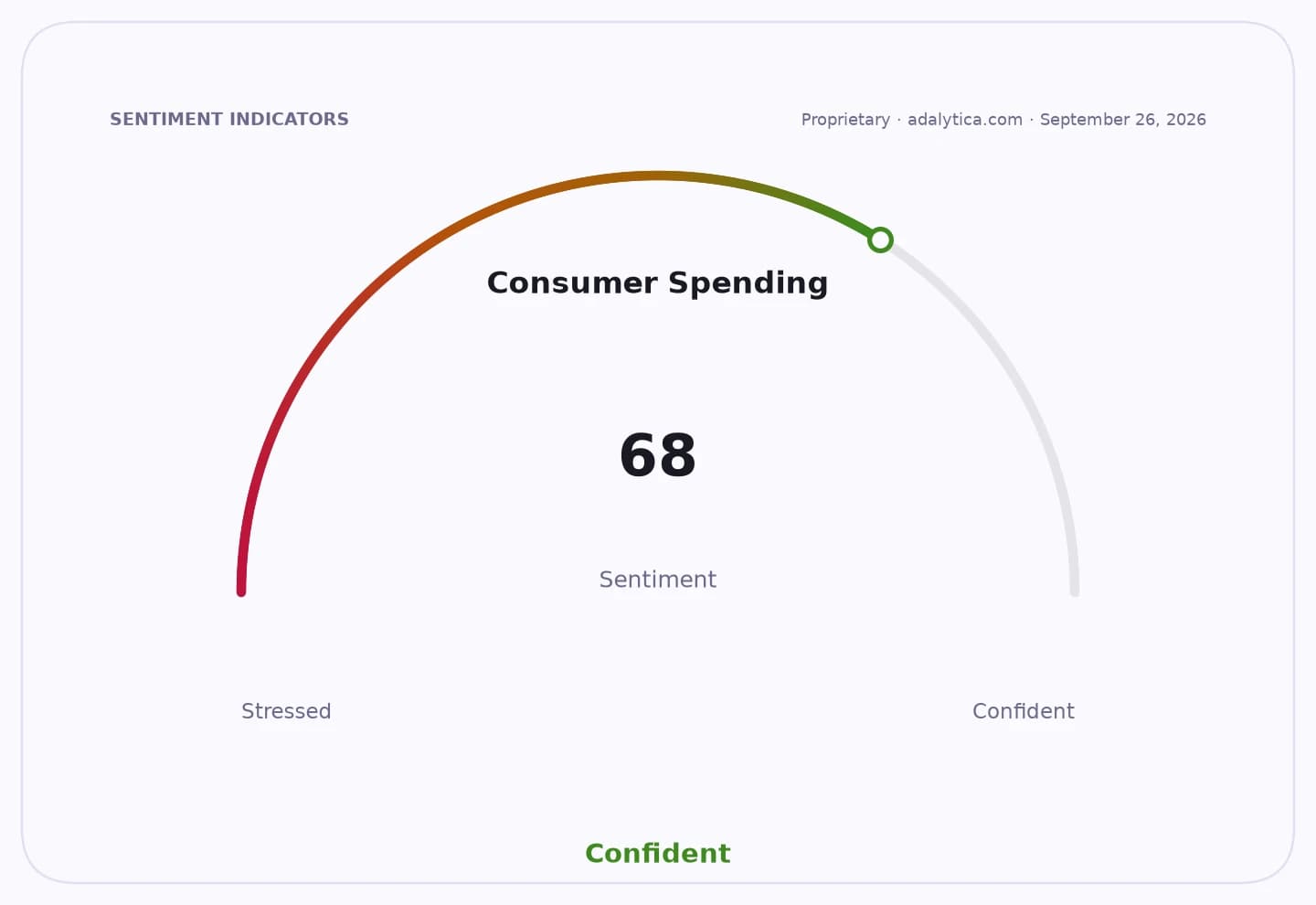
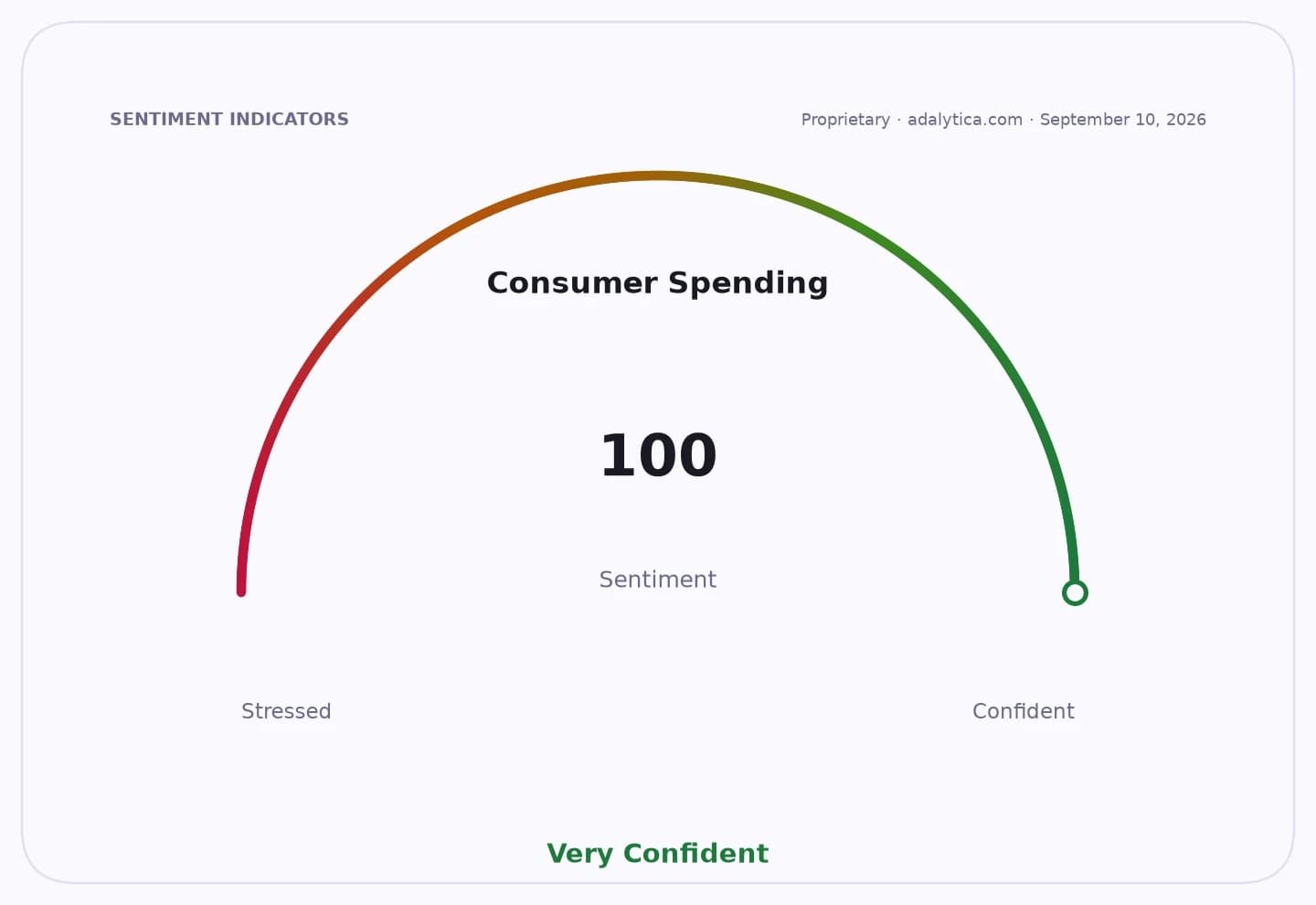
Polish consumer spending weakened more than expected in August, adding to signs that household demand is losing momentum just as the economy heads into a period of slower inflation and shifting monetary policy expectations.
Poland August Retail Sales Weaken as Demand Slows
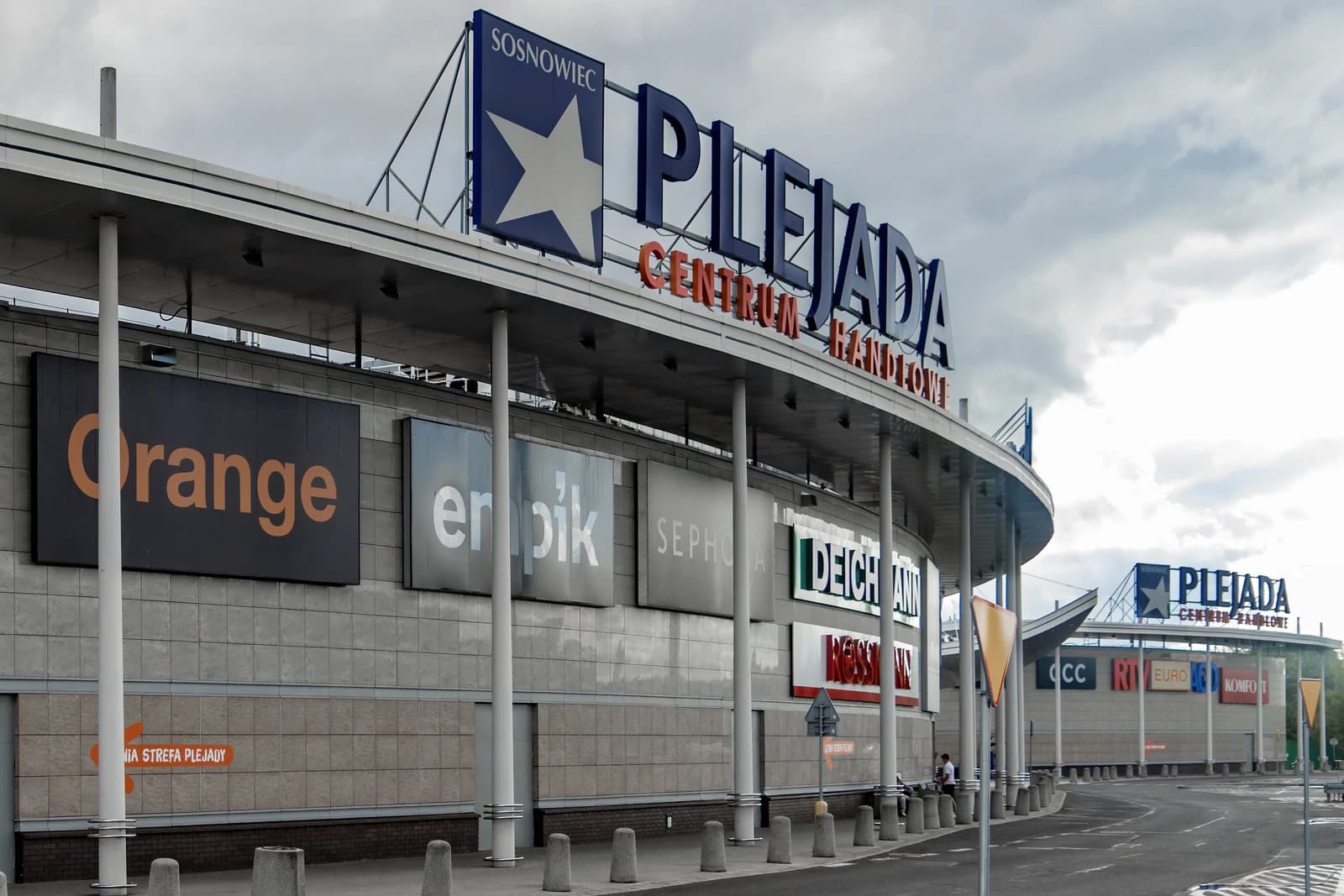
The data matters because retail sales are one of the clearest real-time gauges of domestic demand in Poland, the CEE region’s largest economy. A softer reading suggests households are becoming more cautious after months of real wage gains and falling price pressures, raising the risk that consumption will contribute less to growth in the second half of the year.
Sentiment IndicatorsⓘProprietary · adalytica.com · September 26, 2026
This is a snapshot — live sentiment, awareness and momentum for 130+ markets update continuously in the dashboard.Open AlphaPulse
That is significant for policymakers at the National Bank of Poland, which has been balancing the case for supporting growth against the danger of easing too quickly. If consumers are already trimming purchases, it strengthens the argument for eventual rate cuts. But it also complicates the picture for markets that have been pricing in a more benign inflation and growth mix.
The currency and equity backdrop reflects that tension. The zloty has strengthened from around 3.74 per dollar at the end of August to 3.83-3.84 in late September, while the EPOL Poland ETF has climbed to 44.85 from 44.17, showing investors are still willing to look through near-term weakness. But the move has also pushed some indicators into overbought territory, with the ETF’s 14-day relative strength index near 48 and the zloty’s RSI readings recently elevated, suggesting the market has already priced in a fair amount of optimism.
The consumer mood backdrop is mixed. Adalytica’s consumer spending gauge sits in neutral territory, but its awareness reading shows extreme fear, a combination that points to households remaining alert to risks even if headline sentiment has steadied. That matters because retail volumes tend to respond quickly when shoppers become more selective about discretionary purchases and delay big-ticket spending.
For investors, the near-term read-through is uneven. Retailers and consumer-facing names could face a slower sales environment if August proves to be the start of a broader spending pause. Banks, meanwhile, may see mixed implications: weaker consumption can support lower inflation and eventually lower borrowing costs, but it also hints at softer loan demand and pressure on credit growth. Exporters and industrial firms may prove more resilient if domestic demand cools but external orders hold up.
The broader narrative is that Poland’s consumer-led growth engine is no longer running as hot as it was earlier in the cycle. That does not point to a sharp downturn, but it does suggest the economy is becoming more dependent on investment, public spending and external demand. The next round of inflation and wage data will determine whether August was a one-month stumble or the start of a more sustained slowdown in household demand.
| Entity | Gains | Losses |
|---|---|---|
| Borrowers | ▲lower-rate hopes | ▼weaker loan demand |
| Consumers | ▲easing price pressure | ▼cautious spending |
| Retailers | ▲eventual rate relief | ▼softer sales volumes |
| Exporters | ▲weaker zloty risk limited | ▼domestic demand slowdown |