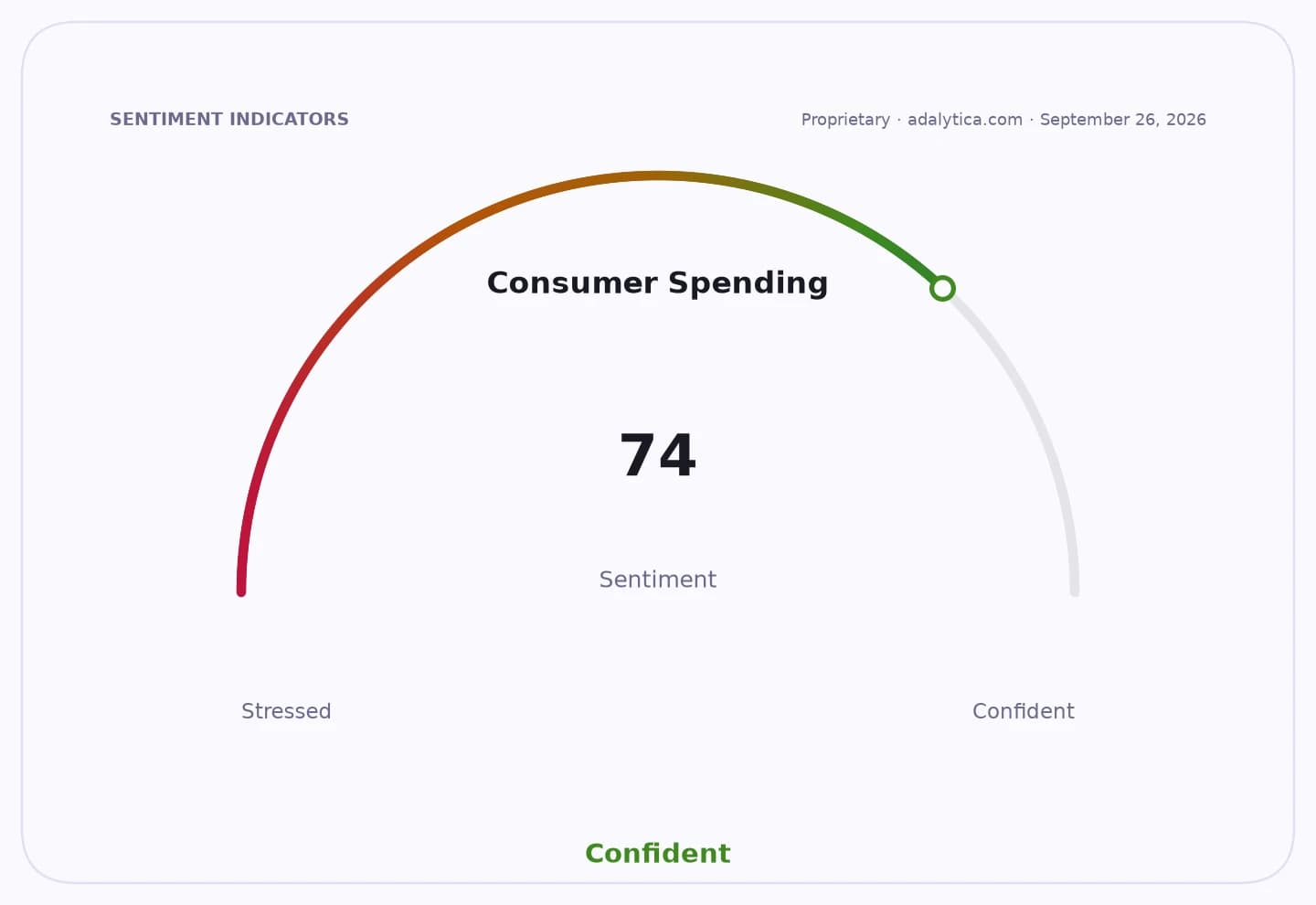
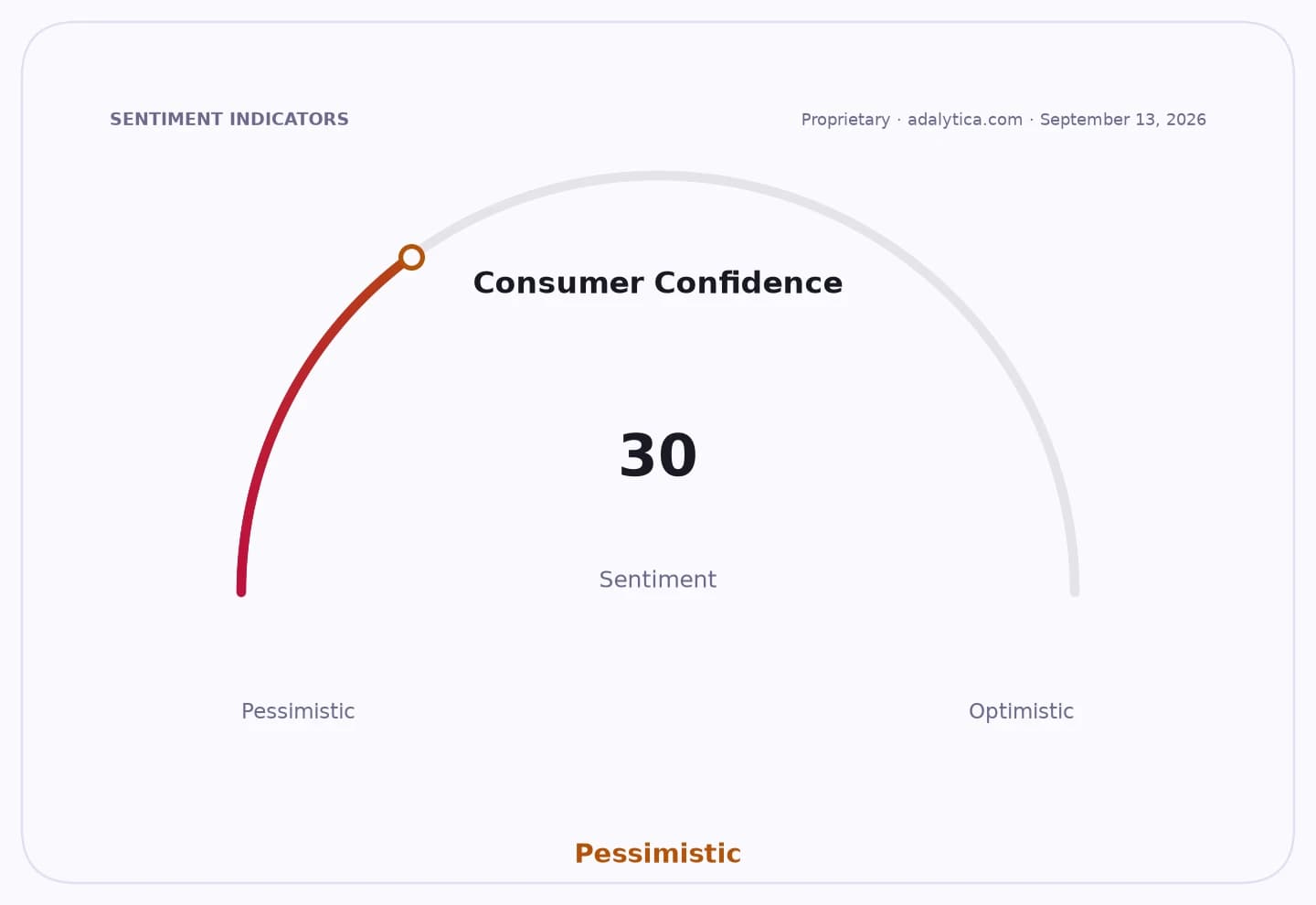
Turkey’s consumer confidence rose to its highest level since July 2018 in September, a sign that households are beginning to look past a long stretch of inflation stress and policy tightening, even as their assessment of current finances remains weak.
Turkey consumer confidence rises to 2018 high
The consumer confidence index increased 1.3% from August to 91.9, according to the Turkish Statistical Institute and the central bank’s consumer tendency survey, extending a gradual recovery in sentiment. The move to an eight-year peak matters because confidence is one of the earliest gauges of domestic demand: when households feel better about their income outlook and the wider economy, spending on discretionary goods tends to stabilize first, then broaden.
The improvement was not uniform. Households’ assessment of their current financial situation slipped slightly to 75.3 from 75.4, showing that day-to-day conditions are still strained. But forward-looking components strengthened. Expectations for household finances over the next 12 months rose to 93.7 from 93.1, while the broader economic outlook improved to 89.8 from 89.4. Most notably for retailers and consumer-facing companies, the willingness to spend on durable goods jumped 3.6% to 108.8, pointing to firmer demand for appliances, electronics and other big-ticket items.
For policymakers, the reading offers a modest validation of efforts to restore economic stability after years of high inflation and financial volatility. For investors, it strengthens the case that domestic demand could hold up better than expected in the fourth quarter, supporting Turkish retailers, consumer lenders and selected industrial names tied to household spending. It also helps explain why sentiment-sensitive equities can outperform even when current conditions remain mixed: markets trade the direction of change as much as the absolute level.
That said, the figure is still below 100, the threshold that typically separates optimism from pessimism, so the recovery is incomplete. The risk is that fragile real incomes, elevated borrowing costs and any renewed inflation pressure could cap the rebound in spending. Even so, the move to an eight-year high suggests Turkey’s consumer cycle is turning more constructive, with implications for growth, credit demand and retail sales heading into year-end.
| Entity | Gains | Losses |
|---|---|---|
| Turkish retailers | ▲Higher discretionary demand | ▼Slower turnover if confidence fades |
| Consumer lenders | ▲Better loan demand outlook | ▼Credit risk if incomes stay weak |
| Household spending | ▲Stronger durable-goods purchases | ▼Savings buffers if inflation reaccelerates |
| Pessimistic bears | ▲Less justification for deep recession bets | ▼Upward revisions to demand expectations |