Brownfield land in Krakow’s Mistrzejowice district is shifting from neglected space to one of the city’s most investable urban development frontiers, and that matters because transport-led regeneration is one of the fastest ways to create new housing supply without pushing a city outward.
Krakow Mistrzejowice Brownfield Gains Tram Link
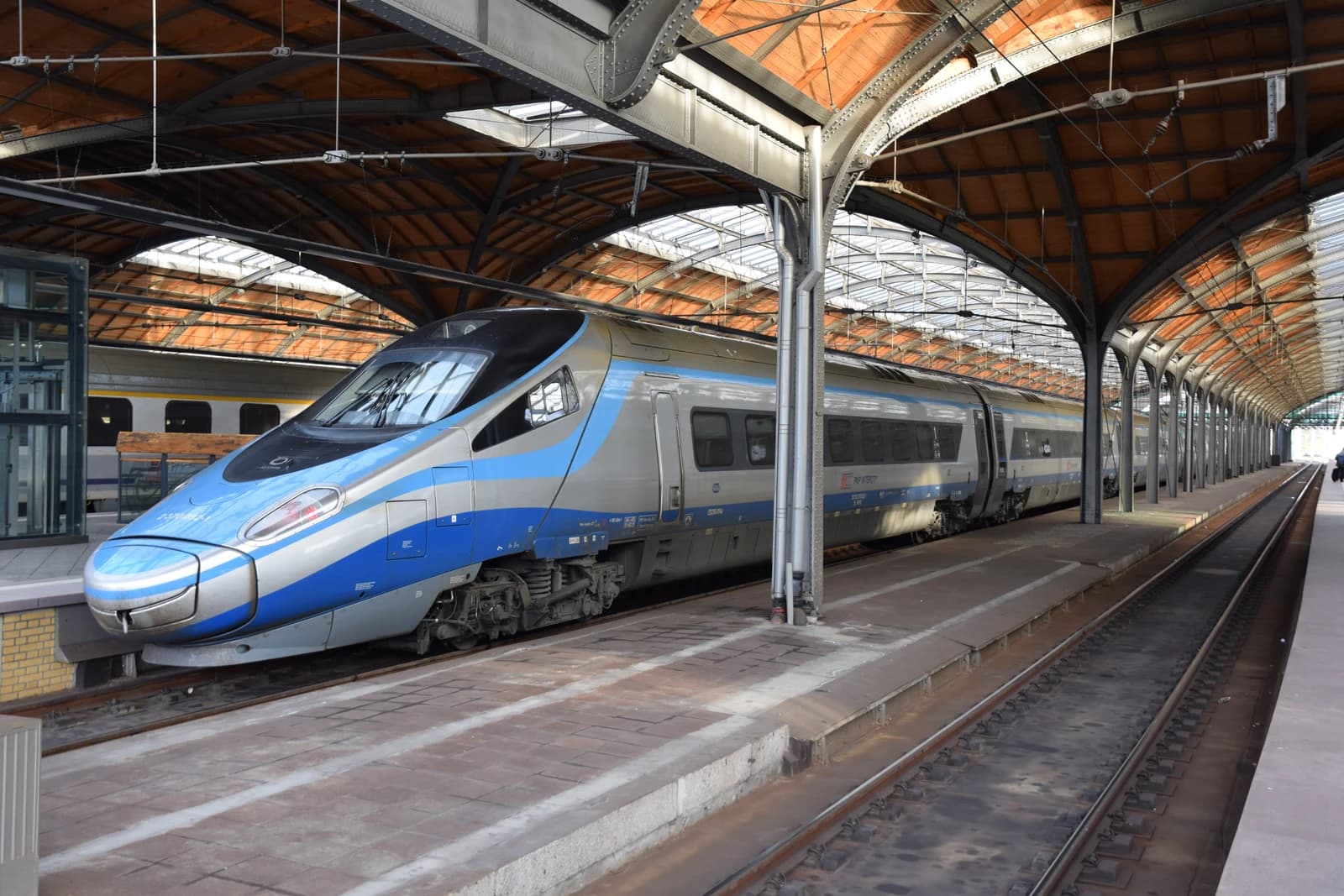
The real catalyst is infrastructure. Krakow’s KST IV tram line is set to link Mistrzejowice with Mogilska, Meissnera and Lema, cutting travel time to the center by as much as a dozen minutes while adding about 4.5 kilometers of new track and surrounding public space. When a district becomes this much easier to reach, the land beneath it stops being “leftover” and starts becoming strategic. That is the economic story here: better connectivity raises the value of underused plots, supports denser development and pulls capital toward areas that can be filled in rather than greenfielded.
For investors, the implication is clear. Brownfield redevelopment is becoming a major urban-growth theme in Poland, not just in the largest metros but in well-connected secondary districts where the transport barrier is already falling away. That creates a classic asymmetric setup: landowners, developers and contractors benefit from rising redevelopment demand, while owners of obsolete, poorly connected sites risk being left behind unless they reposition quickly. The city’s focus is also shifting toward mixed-use neighborhoods, not just apartment blocks, which broadens the opportunity set into retail, services, education and local infrastructure.
That is why Mistrzejowice matters beyond Krakow. The same pattern is visible in Gdansk, Wroclaw and Poznan, where former industrial, storage and technical sites are being folded back into the urban fabric. The market underestimates how powerful this trend can be when it is paired with public transport investment: once accessibility improves, the brownfield stops acting like a constraint and starts acting like a land bank.
The next phase is likely to be planning, rezoning and phased private capital deployment around the new tram corridor and the broader road network. If Krakow keeps advancing this model, the winners will be the developers and infrastructure-linked businesses positioned closest to the city’s densification push. For investors, the takeaway is to watch brownfield regeneration as a secular housing and land-value theme — because in a constrained urban market, the cheapest way to create new space is often to unlock the space that has already been there all along.
| Entity | Gains | Losses |
|---|---|---|
| Krakow brownfield landowners | ▲Higher land values | ▼Holding obsolete sites |
| Developers and builders | ▲New redevelopment pipeline | ▼Greenfield scarcity premium |
| Krakow residents | ▲Better access, services, housing supply | ▼Delay if planning stalls |
| Outlying suburbs | ▲Less pressure from sprawl | ▼Attention shifts inward |