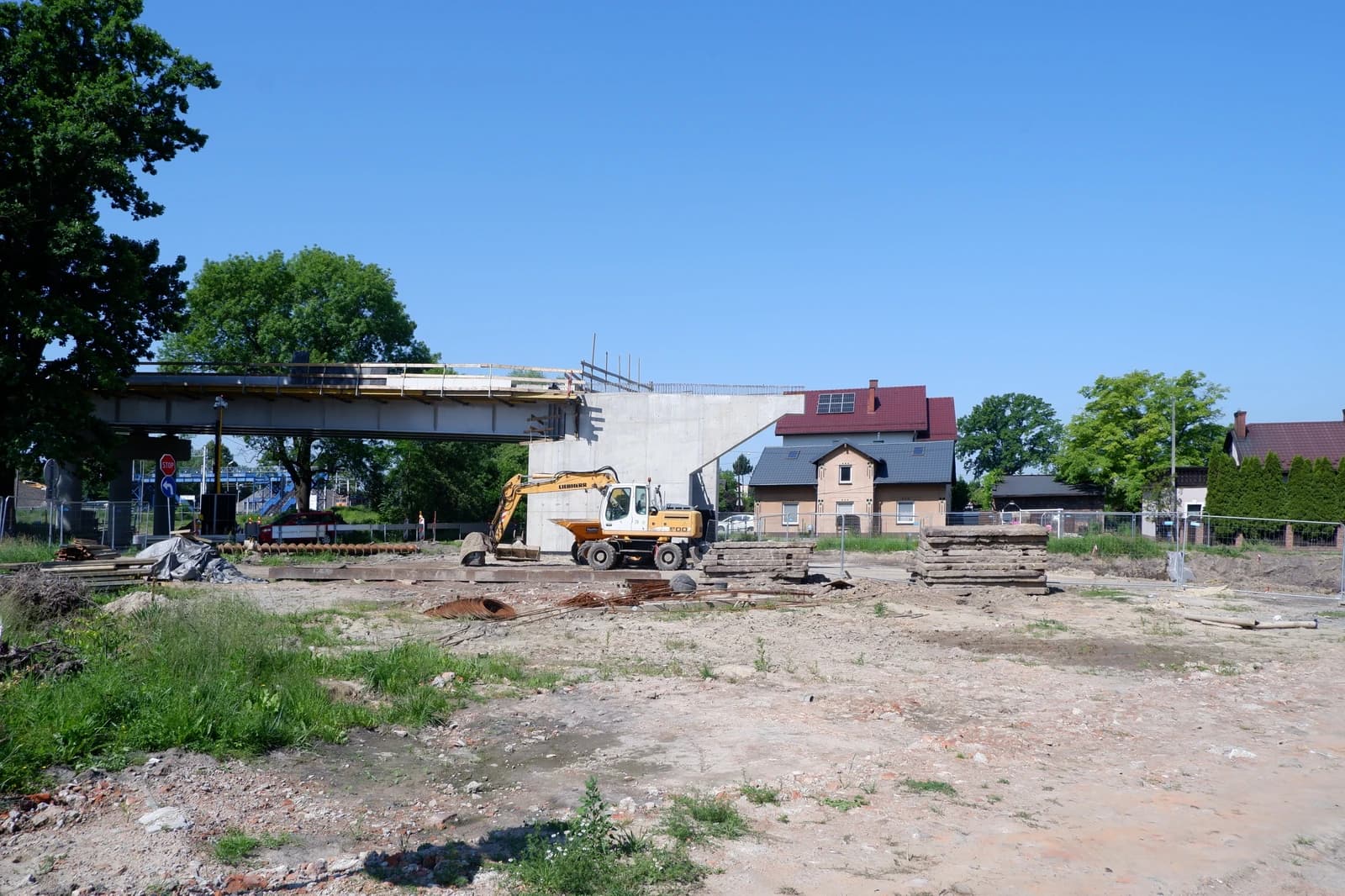
Poland’s road boom is colliding with a more expensive reality: the country is now spending billions of złoty to widen highways that were finished too narrow for the traffic they already carry.
Poland highways face costly widening and repairs
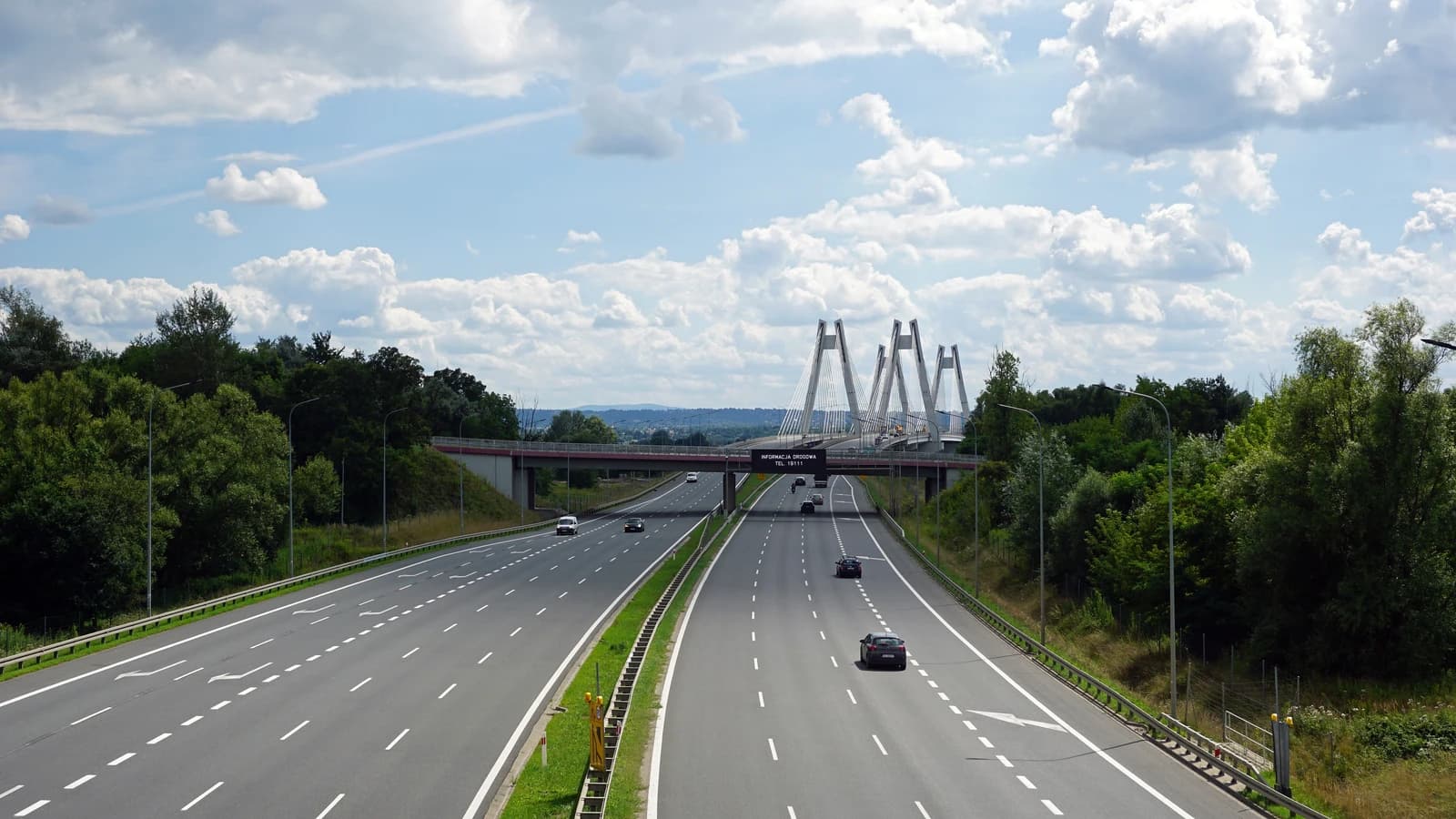
That matters because the story is no longer about adding miles of asphalt. It is about capacity, congestion and maintenance costs that are starting to reshape Poland’s transport budget, the construction pipeline and the economics of logistics across one of Europe’s most important east-west corridors. The next phase of the highway buildout will not be a ribbon-cutting exercise; it will be a costly fight to remove bottlenecks on roads that should already have been future-proofed.
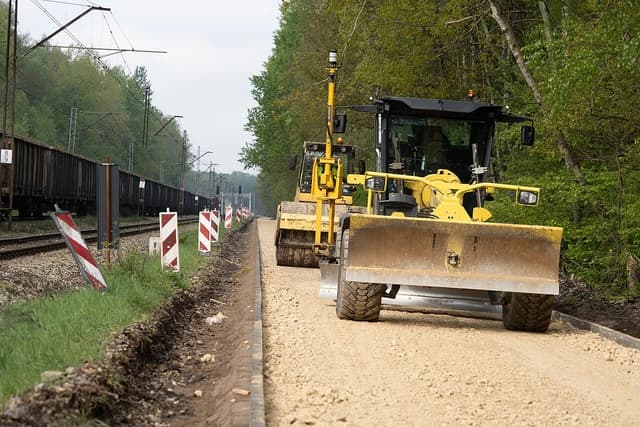
The clearest example is the A2 between Warsaw and Łódź, where reconstruction begins this week on a 92-kilometer stretch built in haste for Euro 2012. The state will pay 1.3 billion złoty to add a third lane, with work set to drag on for almost two years. General Directorate for National Roads and Motorways says drivers will keep two lanes in each direction during the upgrade, but the route will be under an 70 km/h limit and subject to moving traffic controls — a reminder that capacity expansion itself is now becoming a source of disruption.
The wider message is even bigger for the economy. Poland’s highway network is nearing completion, with only about 150 kilometers left to finish from a planned 2,100-kilometer system, but traffic is rising faster than the roads can absorb. According to the latest general traffic count, vehicle volumes on national roads have increased about 10% over five years, and on international corridors by as much as 19%. That is forcing policymakers to pivot from construction to widening, with A4 and A1 next in line.
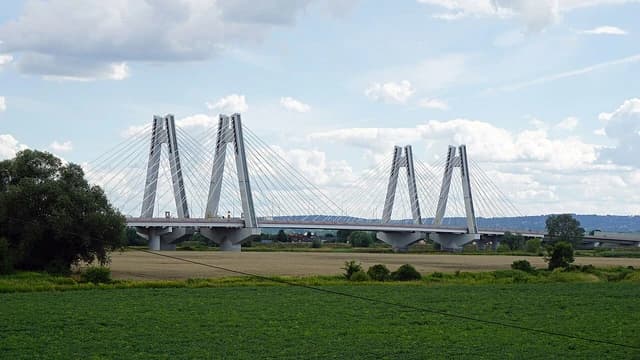
A4 is the most important strategic artery in the system, linking the west of the country with Silesia, Kraków and the eastern frontier of Europe’s logistics chain. It is also the clearest case of congestion becoming a tax on growth. The concessioned section between Katowice and Kraków, one of the most expensive toll roads in Europe, already carries about 51,000 vehicles a day and is due to become free when the Stalexport concession expires in March 2027. That will likely push traffic higher still as drivers abandon alternate routes designed to dodge tolls.
For investors, that shift matters in two ways. First, it reinforces the case for engineering, materials and contractors that can capture widening work rather than just new-build spending. Strabag and Budimex are already set to execute the A2 works, while the A4 pipeline and A1 planning suggest a multi-year backlog of public contracts. Second, it highlights a less visible but powerful pressure point: maintenance and rehabilitation spending is rising fast enough to overtake new-build outlays within the next decade.
The transport ministry’s budget underscores the transition. GDDKiA plans to spend 20 billion złoty on investment this year and says that level should hold through 2030, but maintenance outlays are climbing even faster, from 2.67 billion złoty in 2024 to a planned 3.59 billion złoty in 2026. Roads built for Euro 2012 are now reaching the 12- to 15-year window when resurfacing becomes unavoidable, which means Poland’s next infrastructure cycle will be less about expansion and more about keeping an aging network usable.
That is the investable takeaway. The market should stop treating Polish highways as a finished growth story and start viewing them as a long-duration capex and maintenance market with recurring demand for asphalt, earthworks, toll-road concessions and traffic-management services. The beneficiaries are the contractors and materials suppliers positioned for widening and rehabilitation; the losers are drivers, logistics operators and toll-road incumbents facing lower speeds, heavier congestion and more pressure on margins. If you want exposure to Poland’s infrastructure cycle, the next leg is not the buildout — it is the bottleneck trade.
| Entity | Gains | Losses |
|---|---|---|
| Strabag, Budimex | ▲Widening contracts | ▼Execution risk |
| GDDKiA / state budget | ▲Capacity relief | ▼Higher capex and maintenance bills |
| Logistics firms / drivers | ▲Eventually smoother routes | ▼Years of congestion and limits |
| Stalexport / toll-road users | ▲Near-term toll revenue | ▼Free A4, higher traffic, margin pressure |