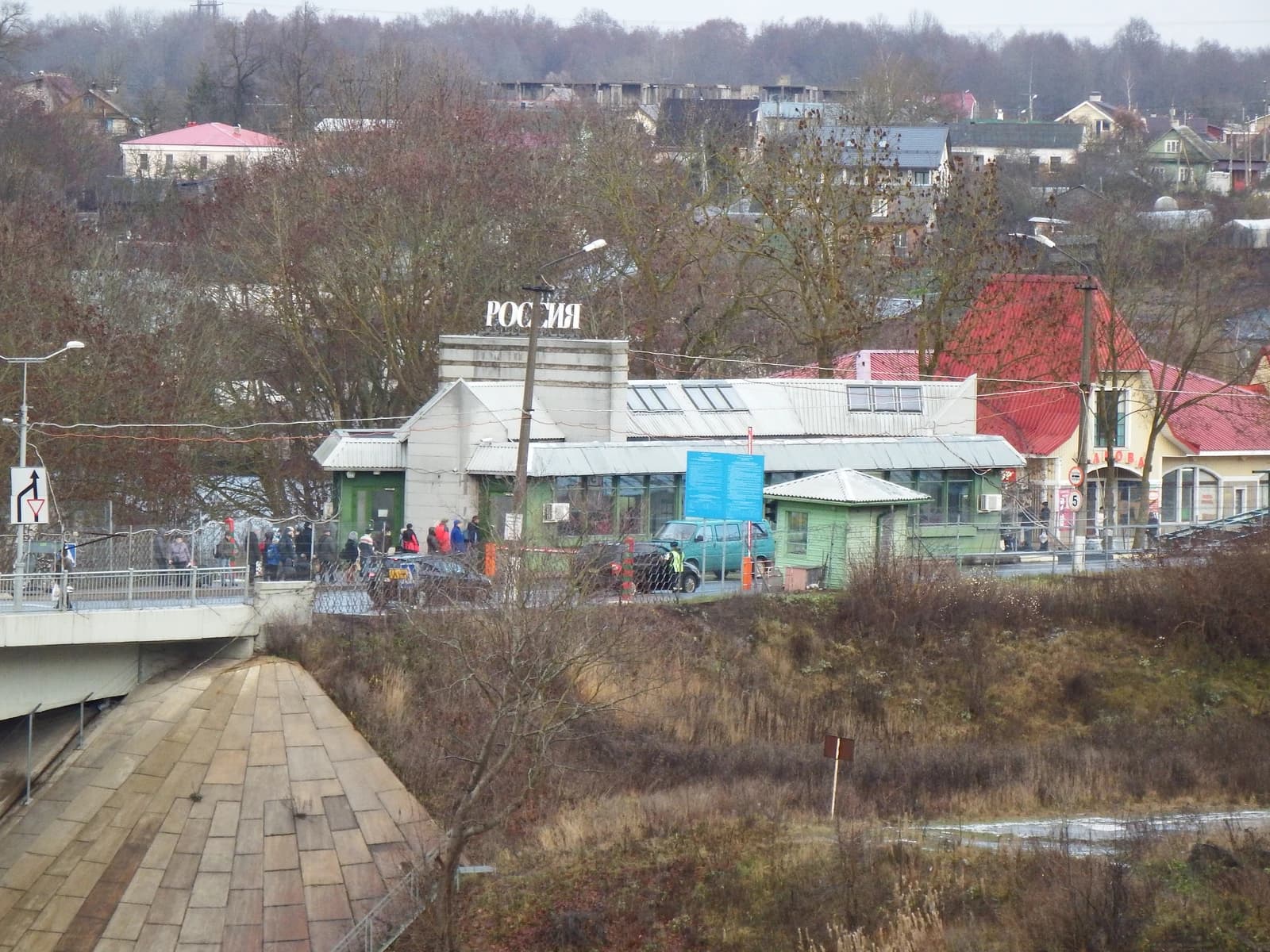
Six-hour waits have formed at the Russia-Poland border as a seasonal surge in cars collides with tighter Polish checks, turning the crossing into a reminder that Europe’s travel links remain vulnerable to administrative friction.
Kaliningrad Border Waits Rise at Poland Crossing
For travelers headed to Russia’s Kaliningrad region, the delay is more than an inconvenience. It shows how border policy, holiday traffic and regional geopolitics can combine to slow people and goods moving across one of Europe’s most sensitive frontiers. The main bottleneck is the Mamonovo-2 crossing, where Polish services have stepped up inspections just as school holidays in several German states have added more traffic through the region.
That matters economically because border queues raise the cost of movement, from tourism and small-scale trade to family travel and logistics. Kaliningrad, Russia’s Baltic exclave, is unusually exposed to disruptions on EU territory because most land routes into the region run through Poland or Lithuania. When processing slows, the impact is not just longer trip times; it can mean weaker cross-border spending, less predictable freight flows and more pressure on local businesses that depend on regular visitor traffic.
The timing also points to a broader pattern investors and policymakers know well: infrastructure strain tends to appear first in the places where demand is least flexible. The Russian customs service said queues already stretched to 30 hours in the summer before easing to around two hours in early September, which suggests the current surge is part seasonal, part procedural. Even so, the return of long waits underscores how quickly a routine travel corridor can become a choke point when checks intensify.
For the market, the story is not about one border post so much as the operating environment around it. Europe’s eastern borderlands remain exposed to policy shifts, security controls and periodic congestion, all of which can disrupt travel patterns and complicate regional commerce. For investors with exposure to transport, tourism or cross-border consumer demand in the Baltic area, the message is simple: friction at the frontier can linger longer than the news cycle does.
That is why the queue matters now. If the controls remain tight through the German holiday period, delays could stay elevated into late October, keeping pressure on travelers and reinforcing the case for businesses to plan around recurring seasonal bottlenecks rather than assuming the border will normalize quickly.
| Entity | Gains | Losses |
|---|---|---|
| Polish border services | ▲tighter screening | ▼slower throughput |
| Russian travelers to Kaliningrad | ▲little to none | ▼long delays |
| Kaliningrad businesses | ▲some seasonal traffic | ▼lost visitors and spending |
| Nearby transport operators | ▲higher urgency for planning | ▼unpredictable crossings |