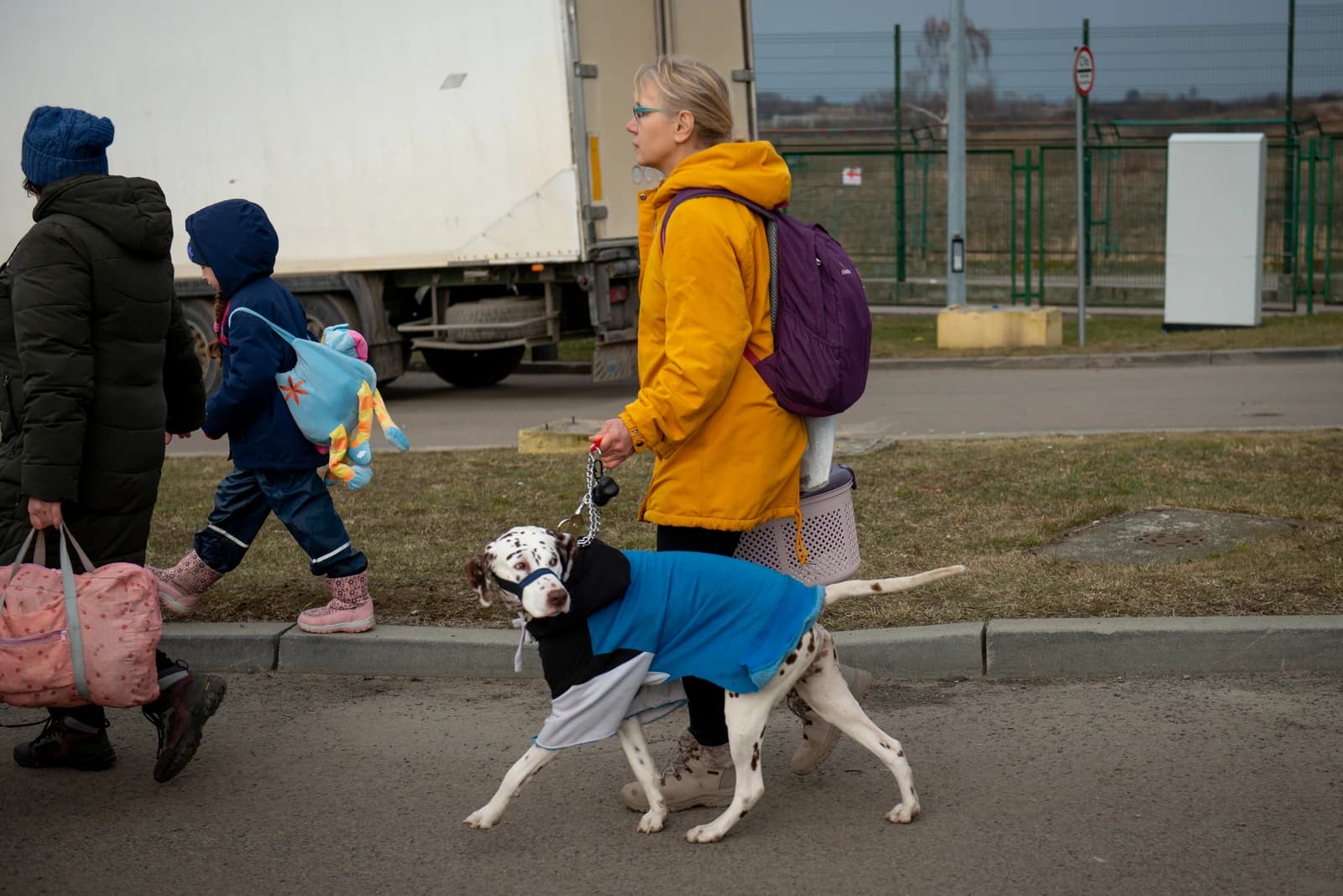
Ukrainians are leaving Poland in larger numbers as social tensions and frustration over treatment by locals deepen, a shift that could tighten a labor market that has relied heavily on refugees since Russia’s invasion.
Poland Sees More Ukrainians Leaving Amid Tensions
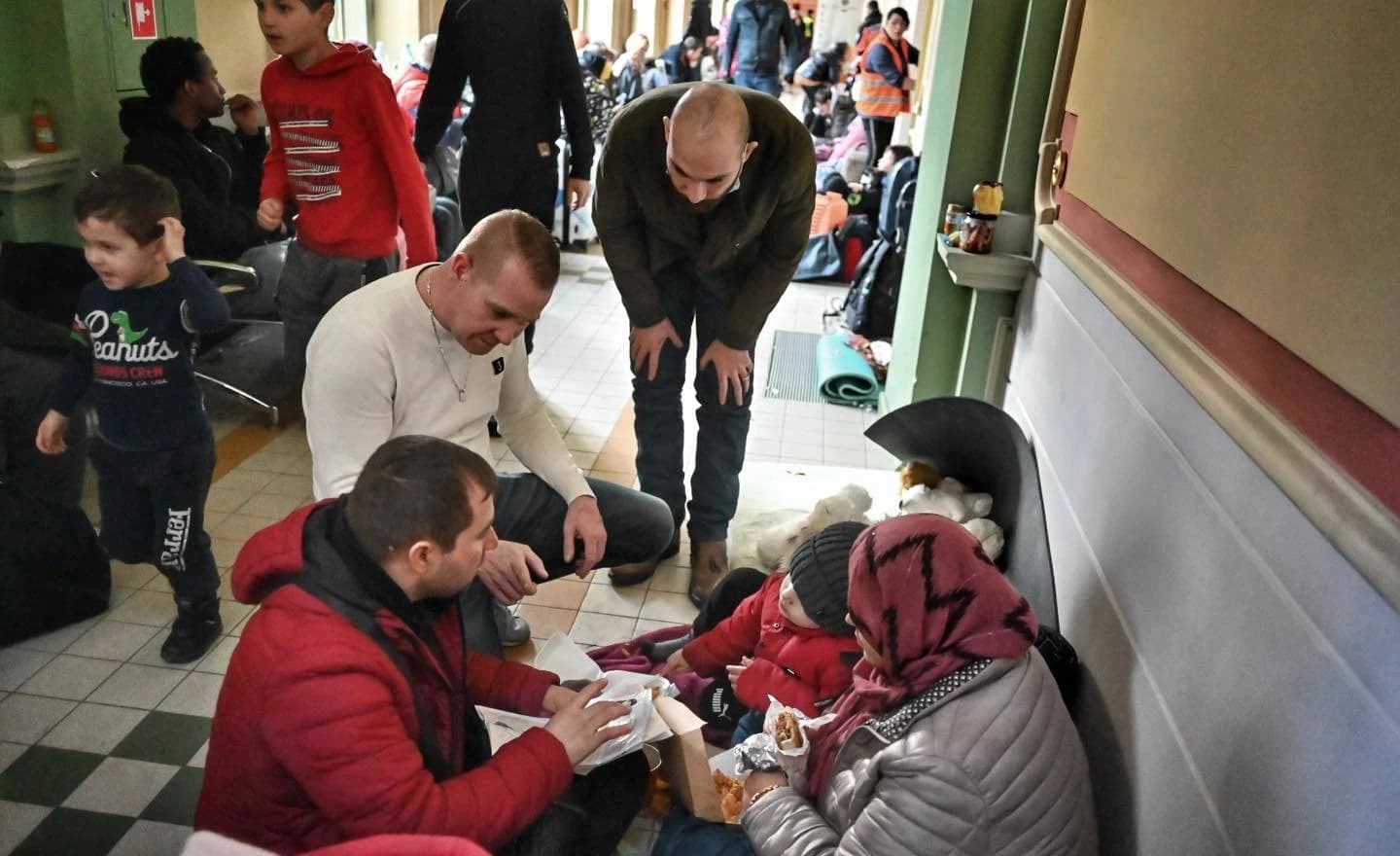
The exodus matters economically because Ukrainians have helped fill gaps in factories, logistics, construction and services in the EU’s biggest eastern economy. A sustained outflow would not only reduce available labor but also chip away at consumer demand and the pace of integration for one of Europe’s largest refugee populations.
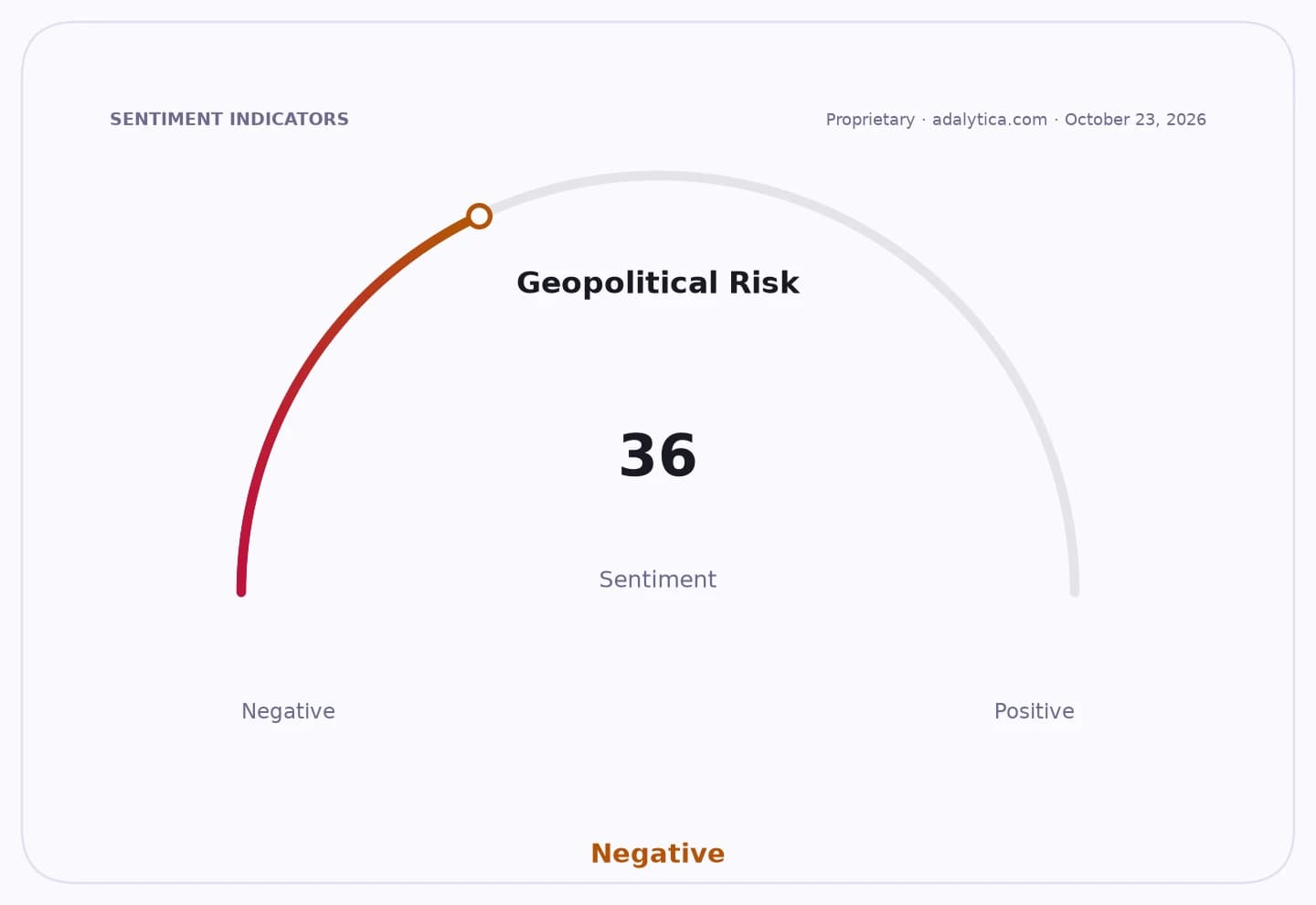
Sentiment IndicatorsⓘProprietary · adalytica.com · October 23, 2026
This is a snapshot — live sentiment, awareness and momentum for 130+ markets update continuously in the dashboard.Open AlphaPulse

Citing Eurostat data, the report said the number of Ukrainians under temporary protection in Poland fell by 3,750 in May, 6,335 in June and 8,110 in July, showing the departures are accelerating. The publication said refugees increasingly complain about rising social tension, a feeling of alienation and disappointment with Poles’ attitude toward them.
Poland has been one of the main destinations for Ukrainians fleeing the war, but the latest figures suggest that welcome is fraying at the margins just as the country still needs migrant labor to support growth. A smaller Ukrainian workforce could force employers to raise wages, intensify recruitment from other countries or absorb higher labor costs.
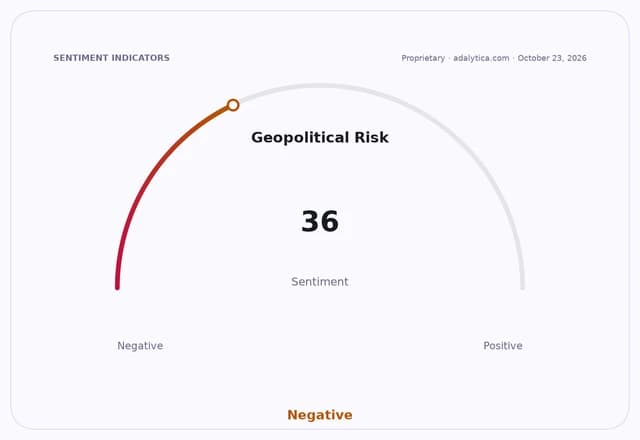
For investors, the story is less about a direct market move than about the durability of Poland’s labor advantage and the broader economic resilience of Central and Eastern Europe. If departures continue, sectors dependent on foreign workers could face margin pressure, while the zloty’s longer-term support from labor-driven growth and migration-linked consumption could weaken.
The trend also feeds into a wider European migration debate, where governments are balancing border control, labor demand and public fatigue over refugee inflows. Investors will be watching whether Poland’s latest outflows stabilize or spread, and whether political tension begins to show up in employment, wages and consumer spending.
| Entity | Gains | Losses |
|---|---|---|
| Polish employers | ▲Less wage pressure if labor demand eases | ▼Smaller refugee labor pool |
| Ukrainian refugees | ▲Potentially safer or less tense destination choices | ▼Loss of protection and stability |
| Polish consumers | ▲None immediate | ▼Higher labor costs may lift prices |
| Poland’s economy | ▲None if departures continue | ▼Slower growth, tighter labor supply |