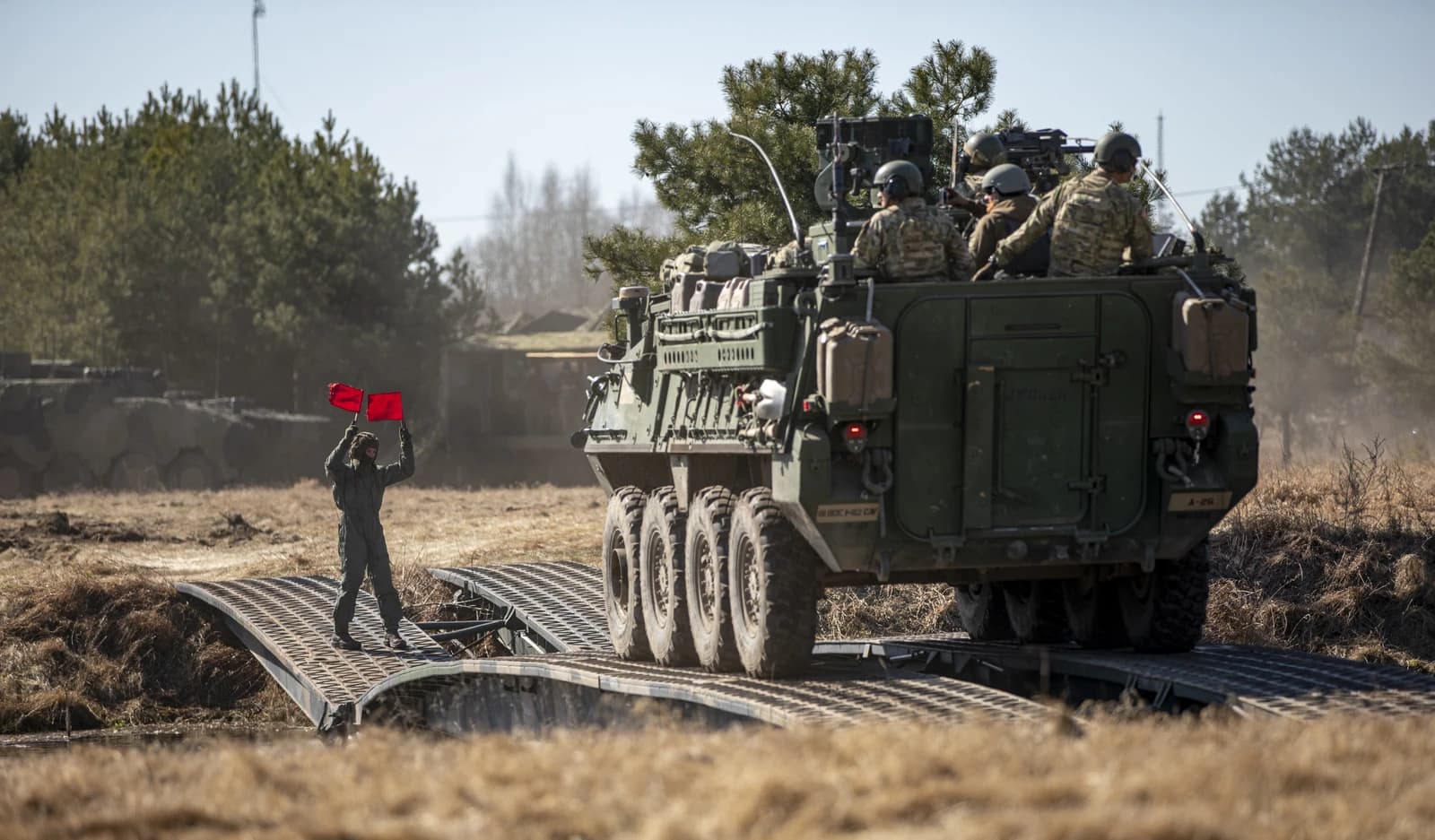
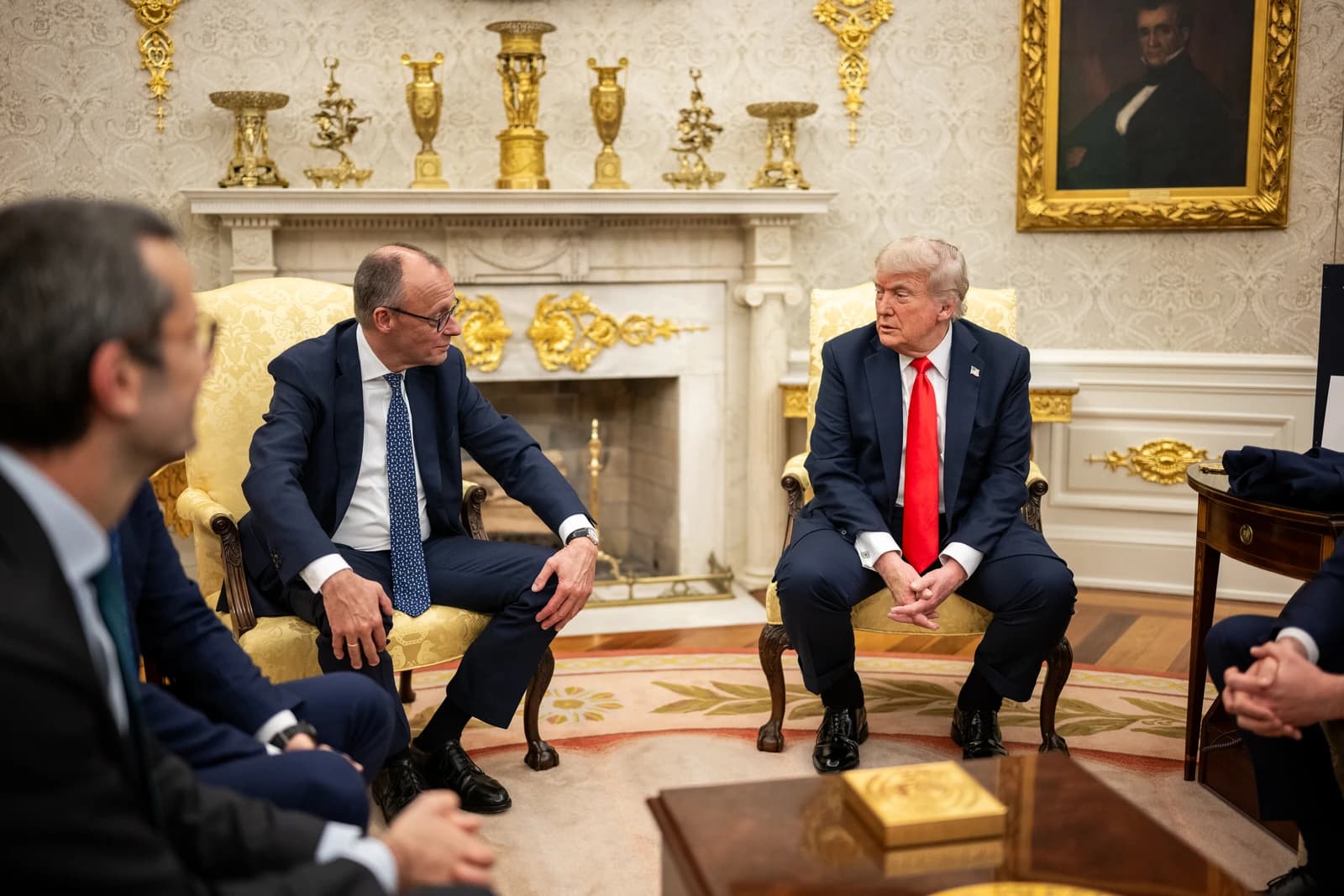
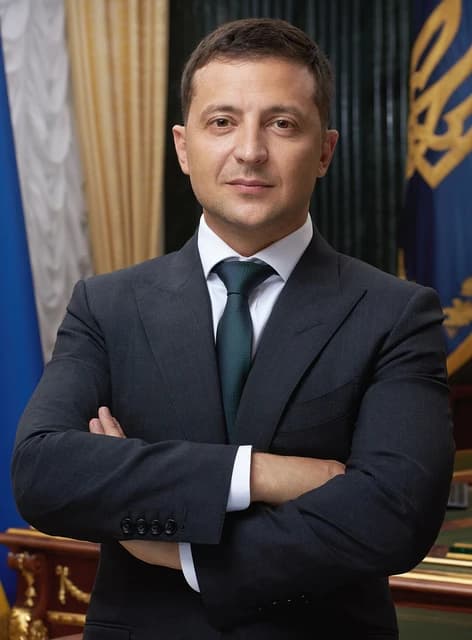
President Volodymyr Zelensky’s warning that as many as 20 million Ukrainians could be displaced across Europe if Russia prevails puts a hard number on the economic cost of a widened refugee crisis and underscores why Western aid remains central to the war’s market impact.
Ukraine Refugee Risk Weighs on Europe Markets
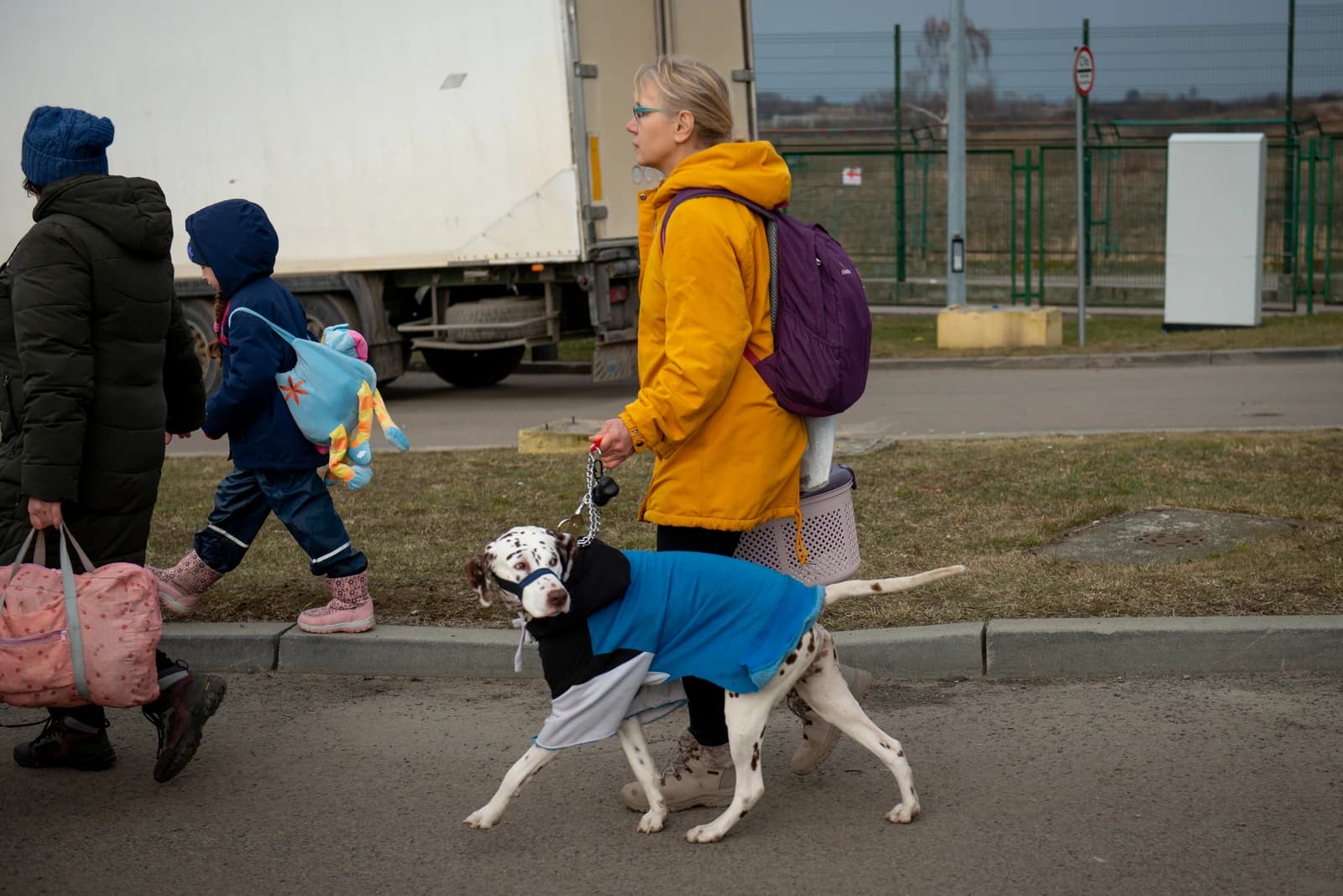
The estimate, delivered in Brussels, raises the stakes for European governments already dealing with the fiscal, political and logistical strain of hosting millions of Ukrainians since Russia’s invasion. A larger exodus would deepen pressure on housing, public services and labor markets across the bloc, while increasing the funding burden for national budgets and EU institutions.
Sentiment IndicatorsⓘProprietary · adalytica.com · October 22, 2026
This is a snapshot — live sentiment, awareness and momentum for 130+ markets update continuously in the dashboard.Open AlphaPulse
For investors, the warning matters because prolonged war risk keeps Europe’s policy mix tilted toward defense spending, humanitarian support and energy security measures, all of which carry implications for sovereign borrowing, regional growth and sector allocations. It also reinforces the view that the conflict remains a structural drag on European risk appetite rather than a fading geopolitical issue.
U.S. policy remains part of that support structure. Washington’s decision to maintain protected status for Ukrainian refugees signals that Western governments are still preparing for an extended displacement cycle, even as the debate over refugee costs intensifies.
Geopolitical Risk — 30-day sentimentadalytica.com
Explore this data interactively — full history, time series and cross-market comparisons.Open AlphaPulse
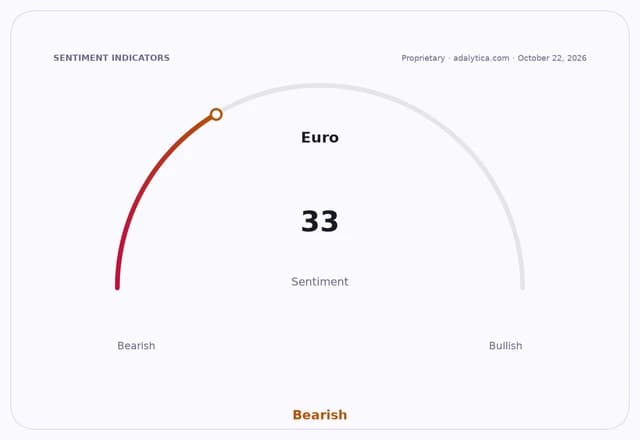
That backdrop helps explain the market tone around Europe. Shares in the iShares MSCI Germany ETF, EWG, have steadied near 41.70 after earlier weakness, with the fund still trading above its 200-day moving average of 41.85 and its 50-day average of 42.64. The ETF’s relative strength index has improved to 60.5 from deeply oversold levels earlier this year, while the MACD remains negative, suggesting investors are still cautious on German equities despite the recent bounce.
Polish equities have also reflected the broader geopolitical backdrop. The iShares MSCI Poland ETF, EPOL, closed at 45.08, above both its 50-day average of 44.41 and its 200-day average of 39.95, with RSI at 64.6 and the MACD turning modestly positive. That points to firmer demand for a market more directly exposed to regional security and refugee-related policy shifts.
The narrative is straightforward: the war in Ukraine is still not only a military conflict but a large-scale European economic stress test. Any sign that displacement could expand sharply will keep pressure on policymakers, support defense and border-security themes, and leave investors pricing in a longer period of geopolitical risk.
| Entity | Gains | Losses |
|---|---|---|
| Ukraine and Zelensky | ▲More urgency for aid | ▼Higher war risk |
| Europe/EU governments | ▲Stronger case for support spending | ▼Refugee and budget strain |
| Defense and security themes | ▲More policy support | ▼Less policy uncertainty |
| European taxpayers and importers | ▲— | ▼Higher fiscal costs |