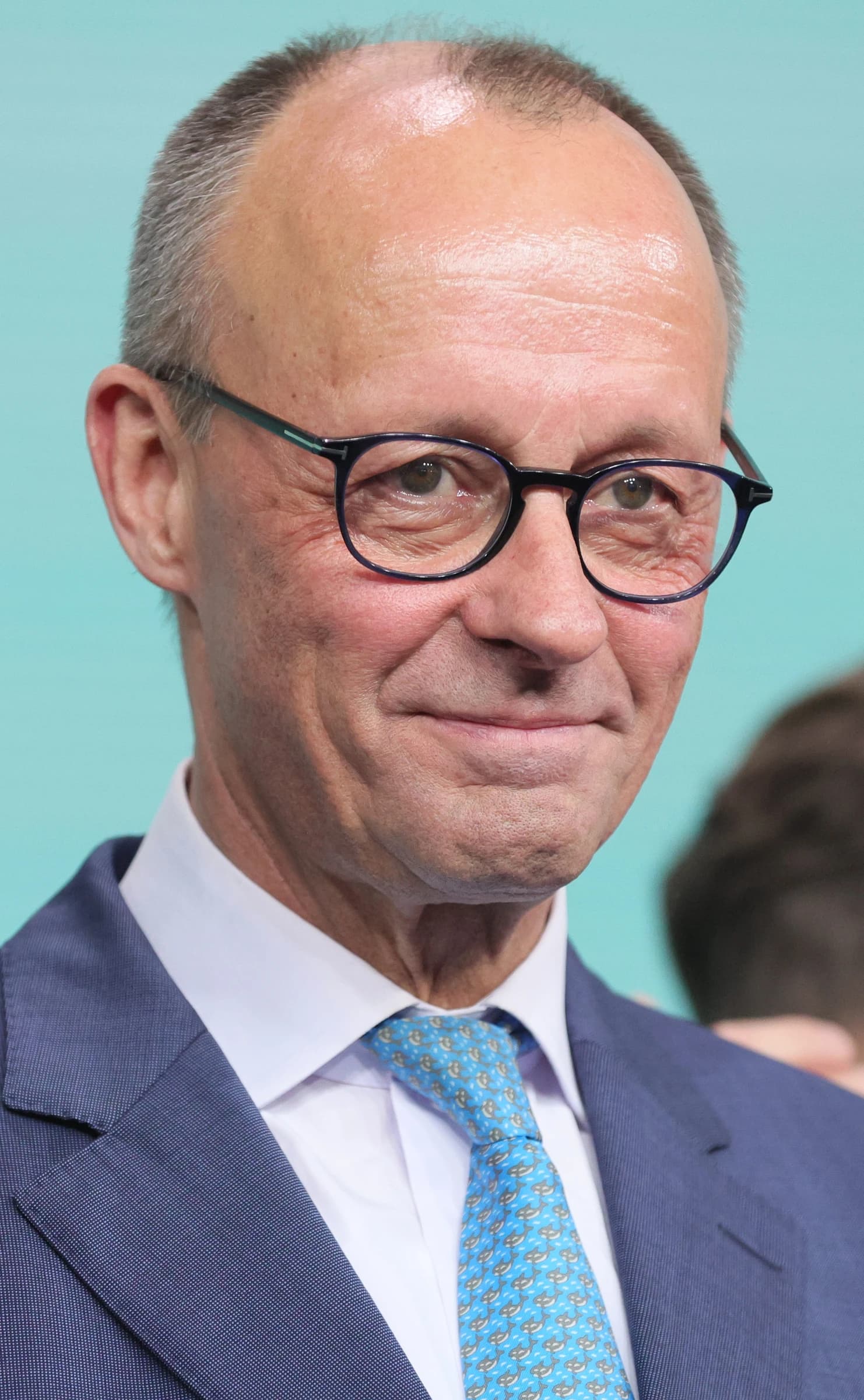
Germany’s chancellor Friedrich Merz is trying to make the war in Ukraine look less like a distant foreign-policy dispute and more like a test of Europe’s security, fiscal priorities and industrial future.
Germany’s Merz Backs Ukraine Aid and Defense Spending
That matters because Berlin is one of Kyiv’s most important European backers, and any shift in German political support would ripple through NATO defense spending, weapons orders, energy security and the euro area’s broader risk premium. Merz used a parliamentary government statement to argue that support for Ukraine is not a zero-sum trade-off with social spending, saying no euro sent to Kyiv comes at the expense of pensions, care, schools or other domestic priorities.
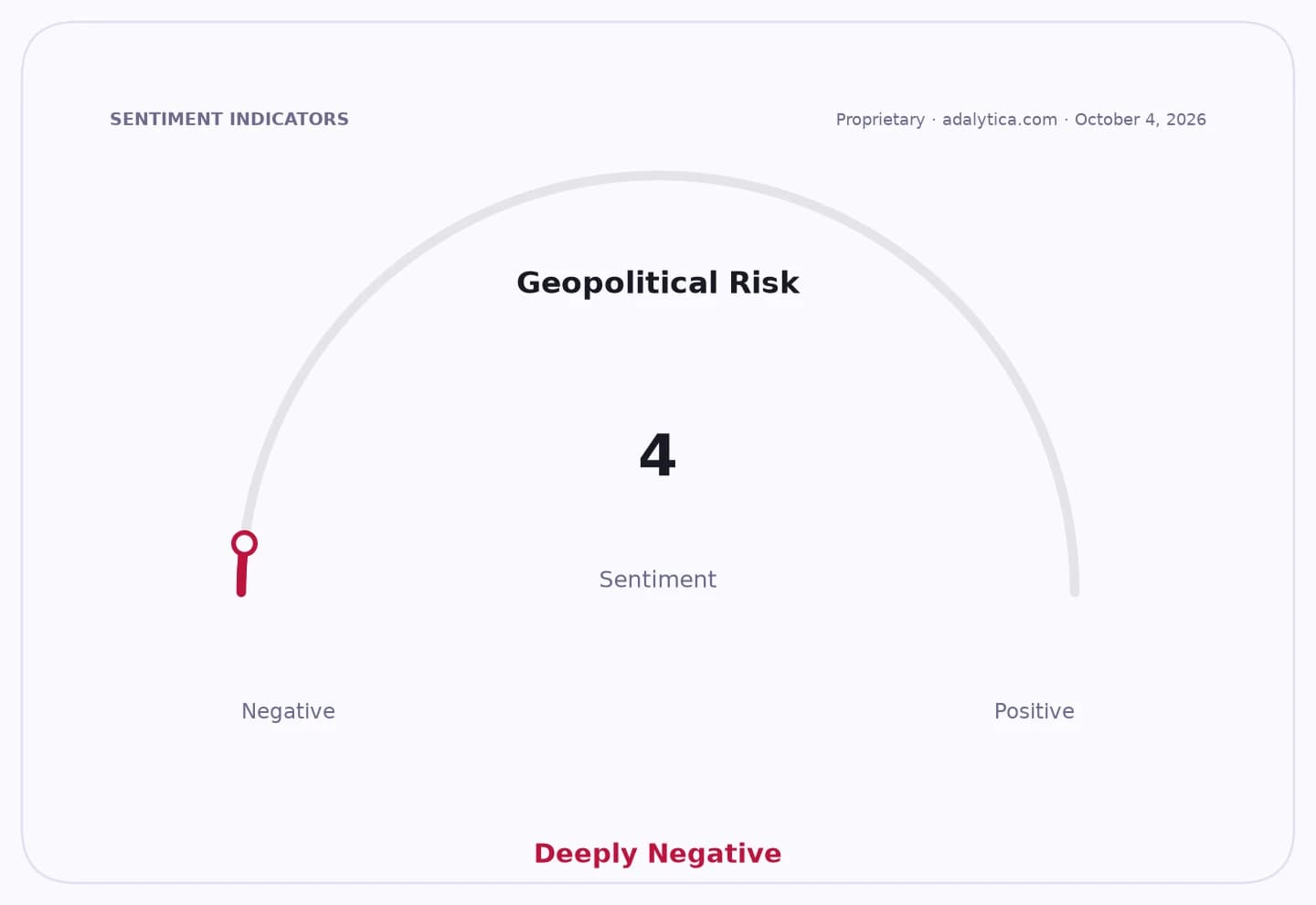
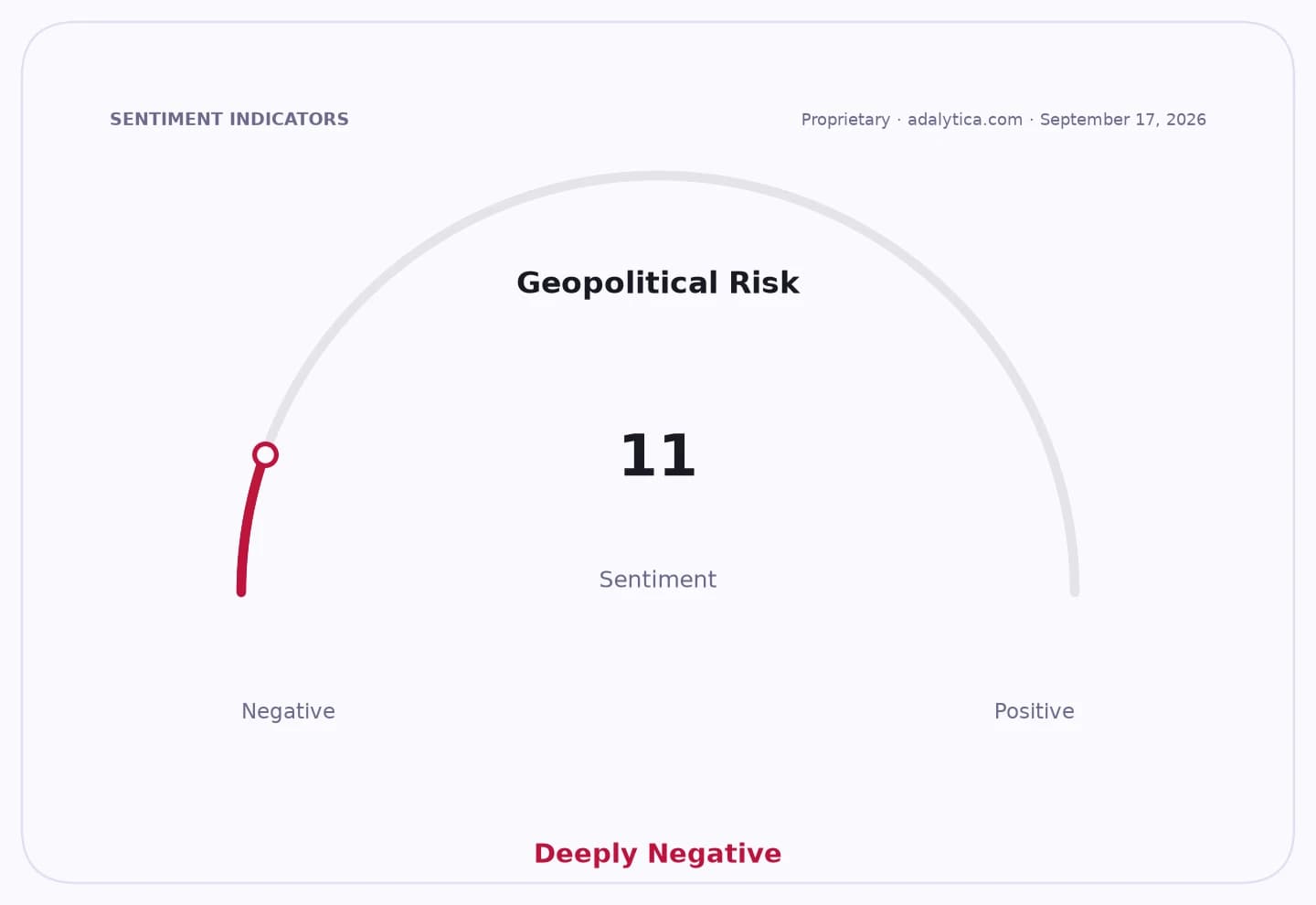
Sentiment IndicatorsⓘProprietary · adalytica.com · October 15, 2026
This is a snapshot — live sentiment, awareness and momentum for 130+ markets update continuously in the dashboard.Open AlphaPulse
The message is aimed as much at German voters as at Russia. Merz warned against “trivializing” Moscow, saying Russia’s escalation remains a concrete danger and criticizing voices from both the far left and far right — including Alternative for Germany and the BSW — that he said were trying to frame military aid as a matter of unfairness rather than security. In other words, Berlin is drawing a line: Europe’s welfare state, its rule of law and its economy all depend first on deterrence.
That is the key investment takeaway. Europe’s defense buildout is no longer just a cyclical procurement theme; it is becoming a structural allocation of capital. For investors, that keeps the case alive for defense contractors, cybersecurity firms, munitions suppliers and infrastructure businesses tied to military readiness. It also reinforces the argument that geopolitical risk in Europe is not fading just because markets get used to it.
At the same time, the politics are fragile. Any sign that Germany’s support for Ukraine is being debated through the lens of domestic fairness could slow the pace of aid, complicate coalition management and widen divisions inside Europe over burden-sharing. That is why Merz’s framing matters: he is trying to preserve the policy consensus that underpins long-duration spending on defense.
For long-term investors, the story is bigger than a single speech. Europe is being forced to choose between complacency and resilience, and the winners are likely to be companies and sectors that benefit from sustained security investment. Ukraine’s battlefield fortunes may shift, but the strategic re-rating of European defense appears set to last for years.
| Entity | Gains | Losses |
|---|---|---|
| German defense contractors | ▲More procurement demand | ▼Budget restraint fears |
| Ukraine | ▲Continued Western support | ▼Political skepticism in Europe |
| Russia | ▲None | ▼Greater European resolve |
| German taxpayers/social spending critics | ▲None | ▼Weaker case against aid spending |