Aid to Ukraine is increasingly being judged not just on the size of the cheques, but on whether money and matériel can actually reach civilians and the front line in a war that has made delivery almost as important as funding.
Ukraine Aid Delivery, Europe Spending, and Winter Support

That matters economically because Europe’s support for Kyiv has become a recurring budget item at a time when governments are under pressure from higher borrowing costs, tighter fiscal rules and voter fatigue. It matters to investors because the durability of that support affects everything from defence procurement to sovereign funding needs, while any perception that aid is being diverted, delayed or blocked raises the political cost of further packages.
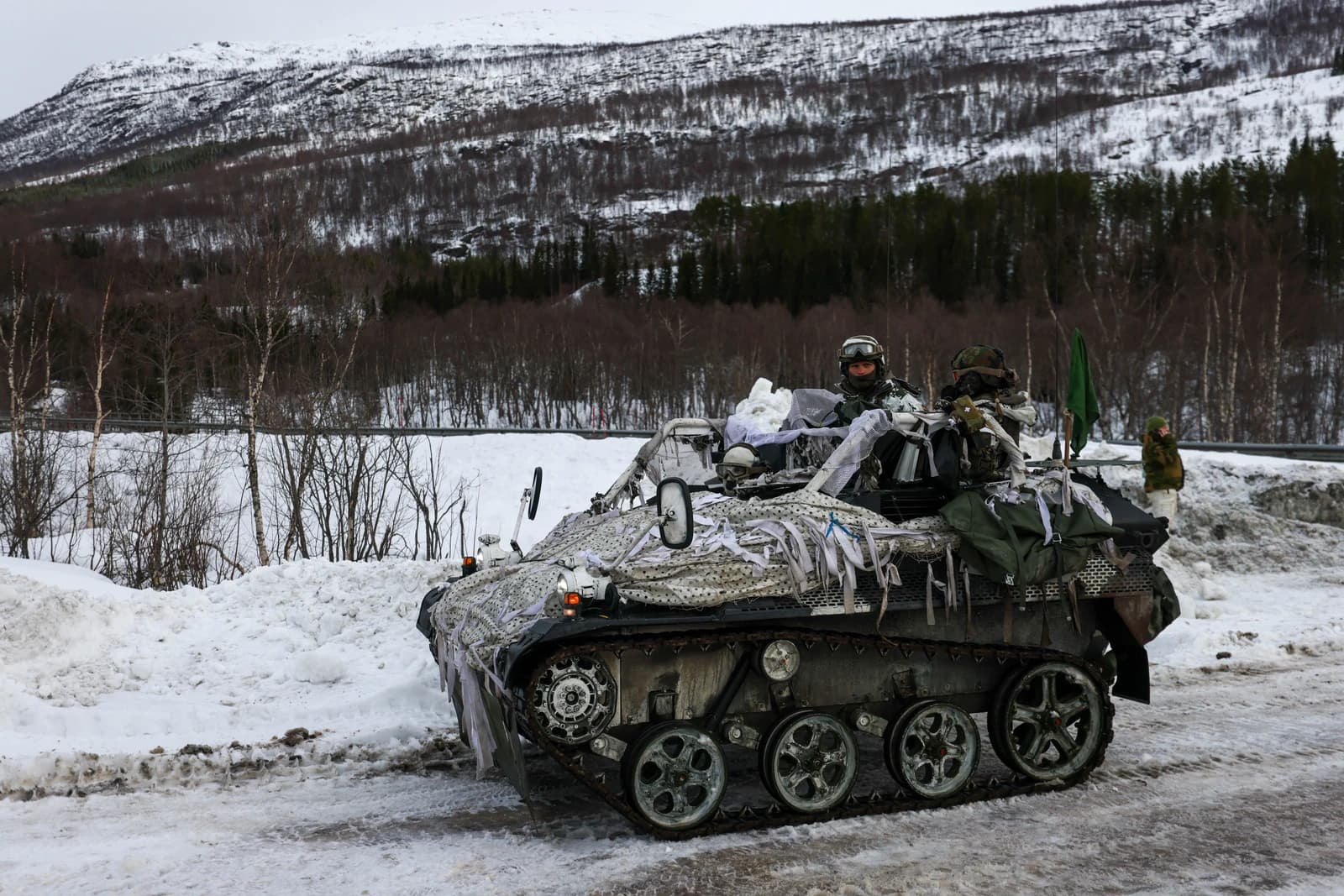
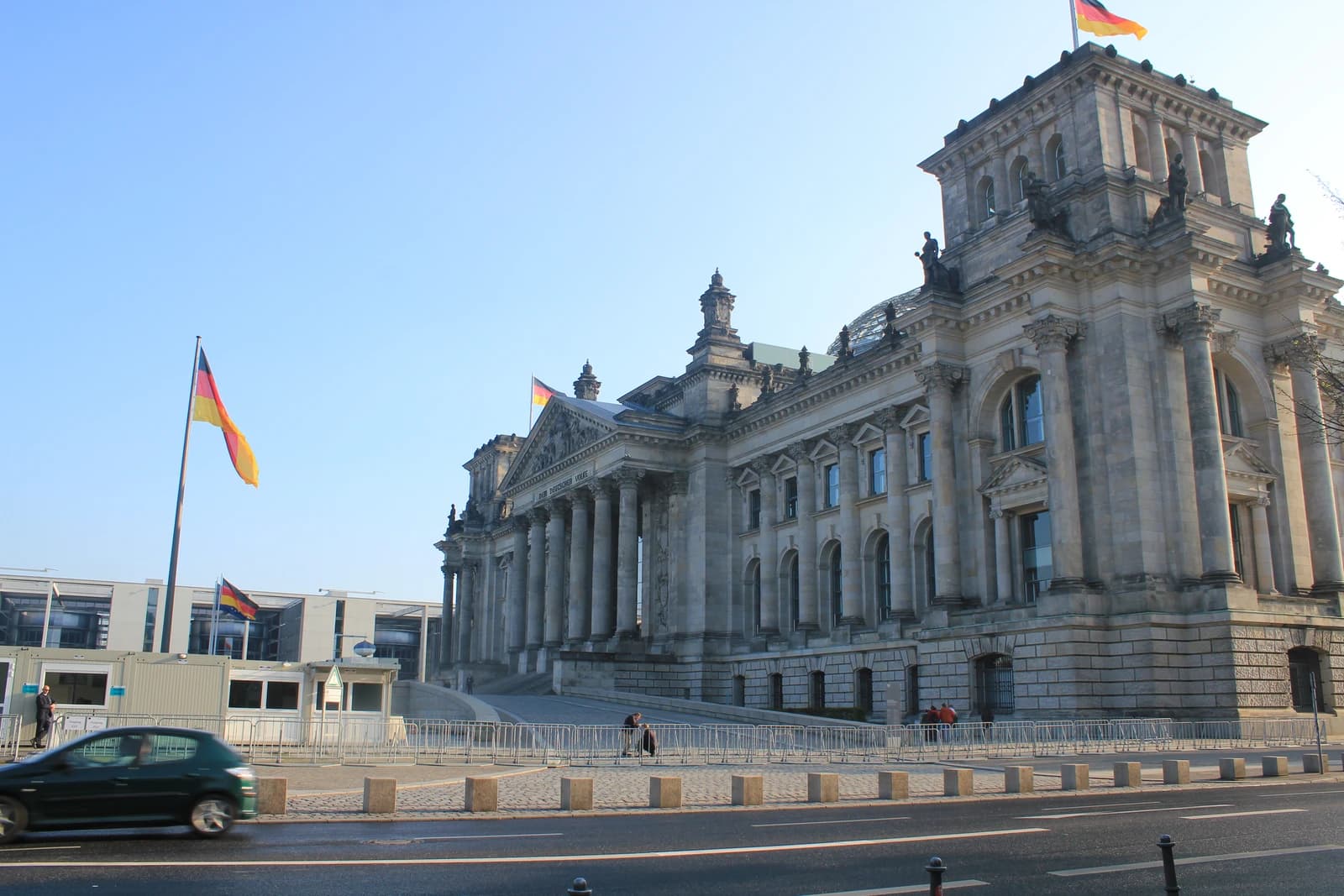
The immediate backdrop is worsening humanitarian conditions in Kherson, where reports describe severe hunger among children and an aid blockade worsened by drone activity and mines. In parallel, Germany has pledged a fresh 1 billion euro military aid package to Ukraine, while Britain has stepped up deliveries of generators and heating equipment as winter support becomes more urgent. The contrast underscores the central tension in the aid debate: governments are spending more, but the operating environment is making aid less efficient.
For investors, the issue is less about a single package than about persistence. Germany’s latest commitment adds to billions already pledged, reinforcing the view that European defence and reconstruction outlays will remain elevated. That supports suppliers of military equipment, logistics and energy infrastructure, but it also keeps pressure on public finances and raises questions about the political sustainability of open-ended support if the public sees limited measurable impact.
The debate is also being shaped by concerns that less than half of earlier aid reached its intended destination. Whether those concerns reflect corruption, battlefield disruption or administrative failure, they are economically important because they determine the multiplier effect of every euro spent. If aid is blocked or inefficient, governments may face calls to do more to achieve the same outcome, or to tighten oversight and condition future transfers.
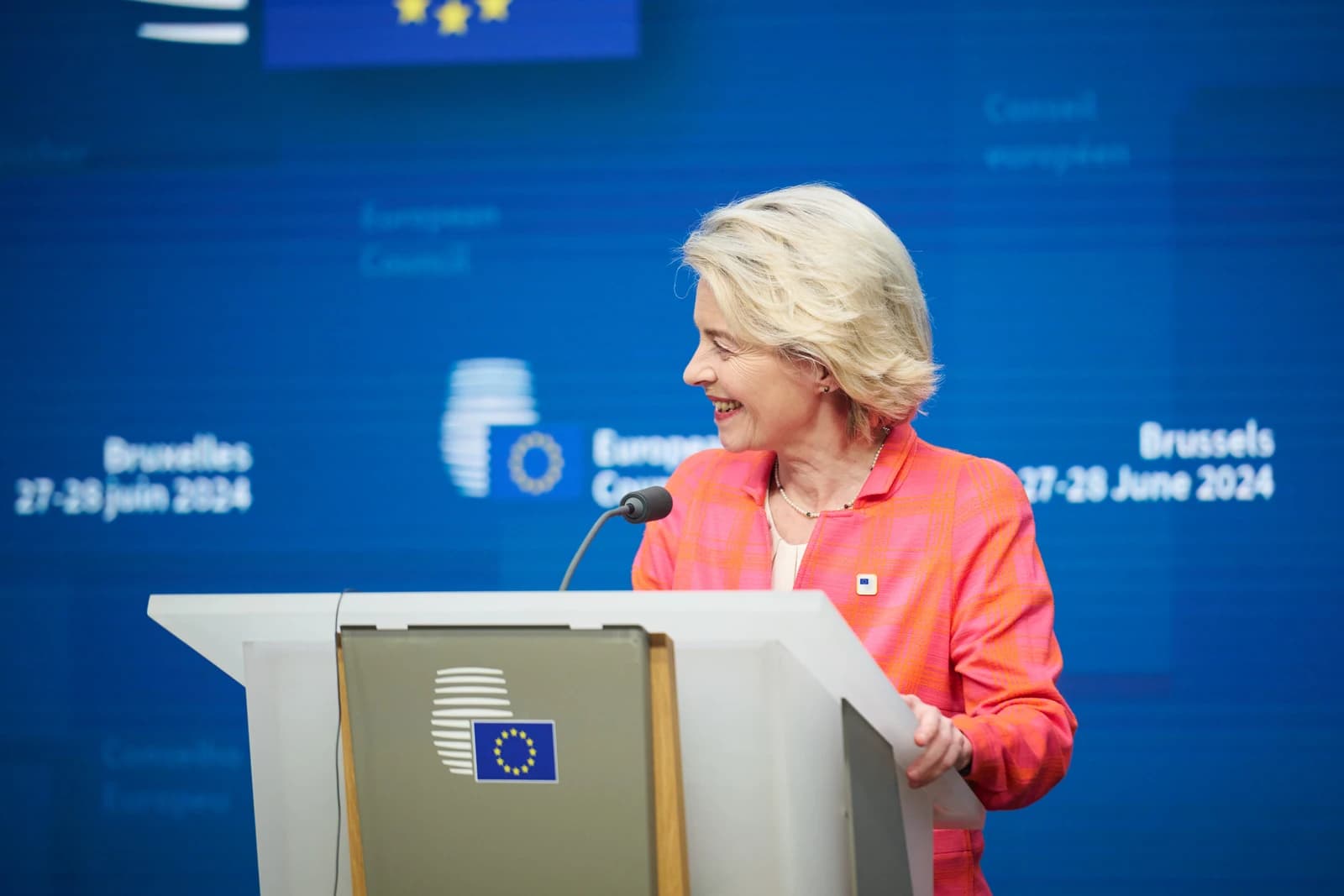
That is why the aid question has become more than a moral or geopolitical argument. It is now a test of state capacity, fiscal discipline and industrial policy at once. The bullish case for continued support is that Europe cannot afford a Russian victory or a collapse in Ukraine’s civilian infrastructure. The bearish case is that rising costs, weak delivery and donor fatigue will force governments to demand better accountability before they approve larger packages.
The next market-relevant catalyst is whether European capitals can improve delivery mechanisms and maintain political backing into the winter. If they can, defence contractors, energy equipment suppliers and logistics firms stand to benefit. If not, the risk is not just a slowdown in aid, but a broader erosion in confidence that Europe can sustain the financial burden of the war.
| Entity | Gains | Losses |
|---|---|---|
| Ukraine civilians | ▲More aid supplies | ▼Blockades and shortages |
| European defence suppliers | ▲Higher orders | ▼Policy uncertainty |
| Donor governments | ▲Strategic leverage | ▼Fiscal strain |
| Aid critics | ▲Stronger political case | ▼Weaker support narrative |