Europe’s military budgets have roughly doubled over the past five years, and that is one of the clearest signs that the continent is entering a longer-term rearmament cycle investors cannot ignore.
Europe Defense Budgets Double Over Five Years

The big picture is simple: NATO’s European members have moved from incremental defense increases to a structural spending reset. According to the cited report on NATO defense investment, budgets among European allies rose year after year between 2021 and 2026 and ultimately doubled. For governments, that reflects a hard pivot from peacetime restraint to deterrence, stockpiling and industrial capacity building. For investors, it means defense demand is no longer just a short-lived response to a single crisis in Ukraine — it is becoming a multi-year budget theme.
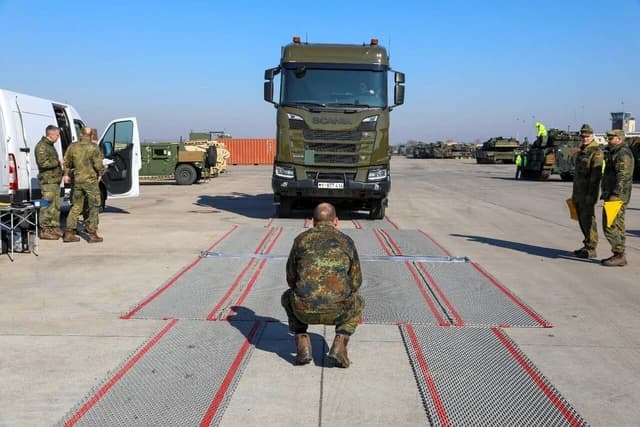
That matters economically because defense spending is not just a line item; it is a redistribution of capital across Europe. More money flowing to missiles, air defense, munitions, surveillance, aircraft and command systems supports factories, suppliers and skilled jobs, while also pressuring governments already juggling debt, welfare spending and higher borrowing costs. In other words, the rise in military budgets is a fiscal tailwind for defense contractors, but a budgetary headwind for everything else.
The market implications are hard to miss. U.S. primes such as Lockheed Martin and Northrop Grumman have already been trading like beneficiaries of that rearmament trend. Lockheed’s shares have been volatile, but the broader investment case remains tied to rising allied demand for missiles, aircraft and integrated air defense. Northrop, meanwhile, sits squarely in a world where missile defense, strategic systems and long-range deterrence are getting renewed attention. When European defense budgets double, it does not automatically mean every contractor wins equally, but it does widen the addressable market for the entire sector.
There is also a long-term industrial story here. Europe has spent decades relying heavily on smaller peacetime inventories and U.S. support. Now, with geopolitical risk elevated and NATO members under pressure to spend more, the region is trying to rebuild stockpiles and production capacity at the same time. That is usually good for backlog visibility and pricing power in defense, especially for companies that can deliver at scale and on schedule.
For investors, the lesson is not to chase headlines, but to recognize a durable secular shift. Defense spending is one of those rare themes that can compound for years because it is backed by policy, geopolitics and procurement, not consumer sentiment. The key risks are obvious — political pushback, fiscal strain and the possibility that procurement cycles slow — but the direction of travel is still unmistakable.
If you are building a long-term portfolio, Europe’s defense buildup is worth watching alongside the U.S. primes and the suppliers that feed them. It is a reminder that in markets, some of the most powerful trends begin as policy decisions and then become multi-year earnings stories.
| Entity | Gains | Losses |
|---|---|---|
| European defense contractors | ▲Bigger orders, fuller pipelines | ▼Budget scrutiny |
| U.S. primes like LMT and NOC | ▲Allied demand growth | ▼Procurement delays |
| European governments | ▲Stronger deterrence | ▼Higher fiscal pressure |
| Taxpayers in Europe | ▲Security cover | ▼Less spending room elsewhere |