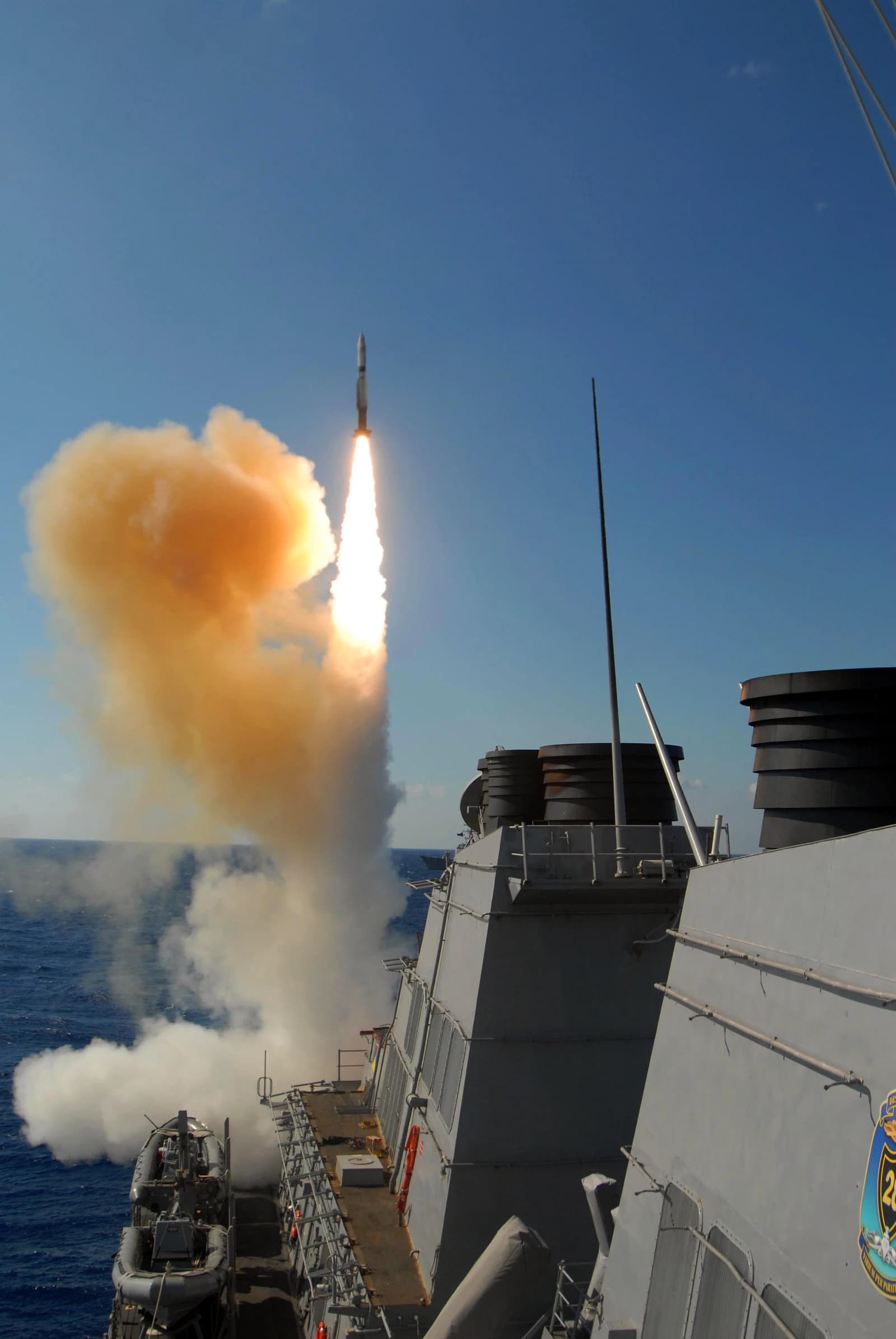
Europe’s warning that it is not ready in time to defend itself against Russia is sharpening the investment case for defense contractors, even as it underscores the region’s deeper strategic weakness: industrial capacity is still lagging the speed of the threat.
Europe Defense Spending Boosts BAE, Rheinmetall, Lockheed

The immediate market implication is clear. Governments across the European Union are being pushed toward faster procurement, more joint projects and bigger multi-year budgets for drones, air defense, munitions and command systems. That is constructive for companies positioned to supply the rearmament cycle, but it also highlights a structural problem for policymakers — Europe can approve projects, but translating them into deployable capability takes years, not quarters.

The European Council has already approved five joint defense projects focused on drones and air defense, part of a broader effort to strengthen military readiness and industrial capacity. That is the right direction, but it comes after years in which European inventories, production lines and procurement coordination were scaled for peacetime, not for a prolonged confrontation with Russia. The gap matters economically because defense spending now looks less discretionary and more like a persistent fiscal commitment, with spillovers into manufacturing, electronics, materials and high-end engineering.
For investors, that means the trade is no longer just about headline risk from the war in Ukraine. It is about sustained demand visibility. BAE Systems, Rheinmetall and Lockheed Martin remain among the clearest beneficiaries of Europe’s defense reset. Their shares reflect that view: BAE Systems has held above its 50-day and 200-day moving averages for much of the year despite recent volatility, while Rheinmetall’s sharp retreat from earlier highs still leaves it well above where it traded before Europe’s defense push accelerated. Lockheed Martin has been more uneven, but remains positioned to benefit if European buyers continue leaning on U.S. systems while their own industrial base catches up.
The bull case is that this is the start of a multi-year capex cycle with unusually strong political support. If Europe commits to higher stockpiles, integrated air defense and mass-produced drones, the order books for prime contractors and key suppliers should stay full even if broader growth weakens. The bear case is execution: Europe’s procurement fragmentation, budget constraints and labor bottlenecks could slow conversion of policy into revenue, while political pushback could emerge if higher defense spending competes with social spending and fiscal consolidation.
Technically, the recent price action in BAE and Rheinmetall suggests investors are still treating defense as a strategic hold rather than a momentum chase. BAE’s pullback from its highs has left it below recent moving averages, while Rheinmetall’s drop has been more pronounced, reflecting how quickly valuations can reset when expectations outrun delivery. That said, the sector’s medium-term case rests less on sentiment than on capacity — and on whether Europe can move from acknowledgment of weakness to sustained industrial mobilization.
The next catalysts will be budget details, joint procurement timelines and whether the EU can turn its new projects into orders that extend beyond pilot programs. If it can, defense equities should continue to attract capital as one of the few European industrial themes with both political urgency and earnings support.
| Entity | Gains | Losses |
|---|---|---|
| BAE Systems | ▲Higher European orders | ▼Peacetime budget logic |
| Rheinmetall | ▲Ammunition and air-defense demand | ▼Procurement delays |
| Lockheed Martin | ▲Follow-on European sales | ▼Indigenous EU suppliers |
| EU governments | ▲Faster readiness | ▼Fiscal room for other spending |