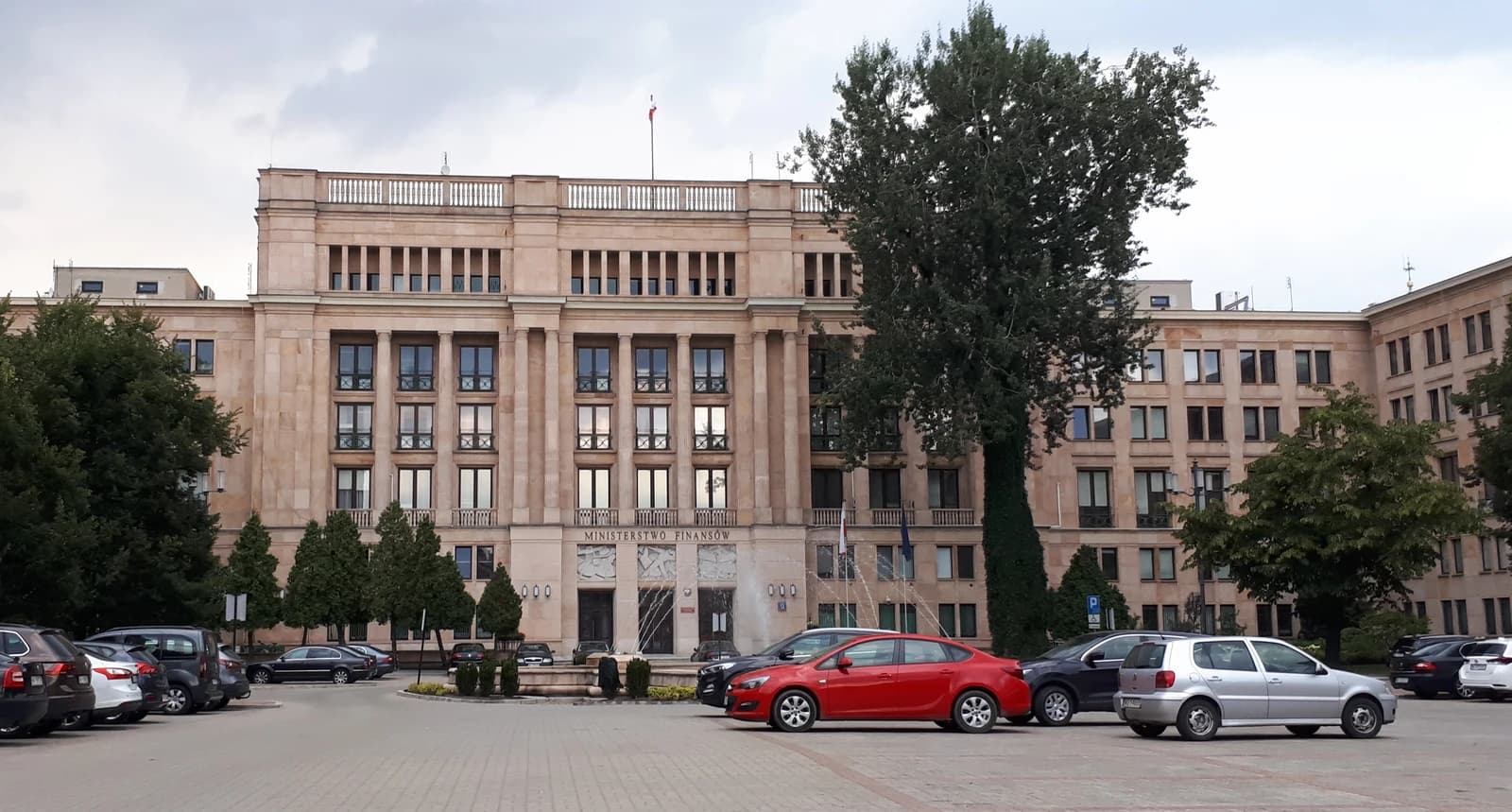
Poland has become Europe’s clearest example of how inflation, higher rates and security fears are forcing governments to spend big — and investors should pay attention because the result is a durable reordering of defense demand, fiscal priorities and market winners across the continent.
Poland arms imports and Europe defense spending
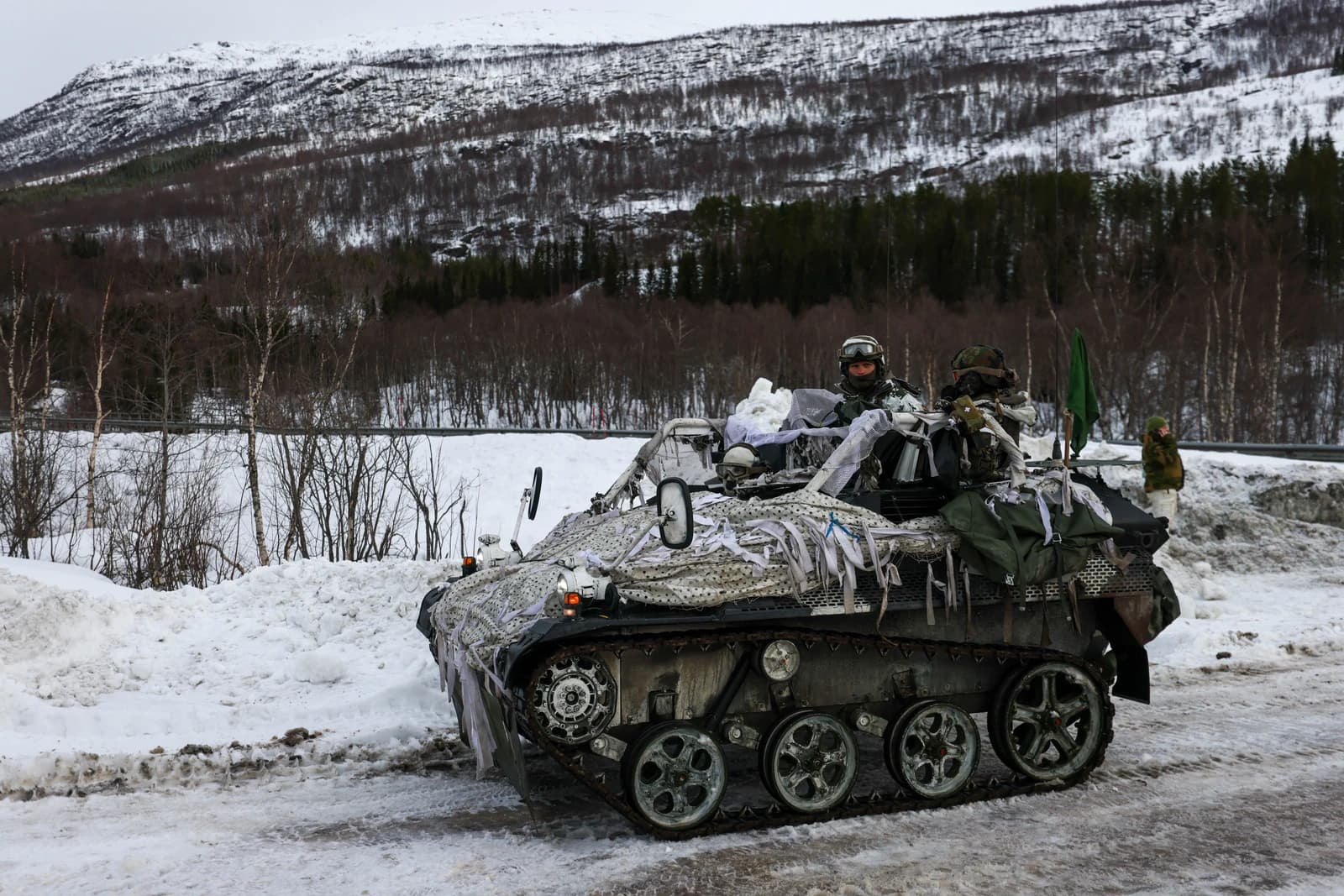
What looks like a single-country surge is really a Europe-wide story about priorities. Poland is set to top the world’s arms-import rankings in 2025 with $11.91 billion of identified purchases, or nearly 10% of global military imports, according to the Center for Analysis of World Arms Trade. That is not a one-off procurement burst. It is a multi-year rearmament program built around U.S. Abrams tanks, South Korean K2s, F-35s and new naval capabilities, with more than $24.6 billion of arms imported from 2022 through 2025.
Sentiment IndicatorsⓘProprietary · adalytica.com · October 9, 2026
This is a snapshot — live sentiment, awareness and momentum for 130+ markets update continuously in the dashboard.Open AlphaPulse

For investors, that matters because defense spending is becoming less cyclical and more structural. When governments feel pressure from inflation, they do not simply disappear from the market; they redirect budgets toward politically hard-to-cut categories such as security. Poland’s buying spree is the most visible expression of that shift. Its armored fleet alone will reach at least 366 Abrams tanks over time, while a second K2 contract worth about $6.5 billion is set to run from 2026 to 2030, including some local production at Bumar-Labedy. That creates a long runway for suppliers, subcontractors and maintenance revenue, not just headline order flow.
The market has already started to reflect that reality. The iShares Europe ETF, VGK, has slipped back toward its 50-day moving average after a strong run earlier this year, but the underlying story for European defense exposure remains intact: the region is spending more, not less, on military readiness. Poland’s program also supports South Korea’s defense exporters and U.S. prime contractors, while domestic industry in Poland gains from offset production and local assembly.
The macro backdrop helps explain why this is happening now. Europe is still living with the after-effects of the inflation shock, and the euro has weakened to around 1.12 against the dollar. At the same time, the 10-year U.S. Treasury yield is sitting above 5%, a reminder that governments face a costlier financing environment than in the last decade. Yet Poland keeps expanding spending anyway. That tells investors these budgets are being treated as strategic necessities, not discretionary outlays.
Adalytica’s inflation and Fed-target gauges also show how sensitive markets remain to the price backdrop. CPI sentiment is sitting at “Extreme Greed,” while confidence in the Fed’s 2% inflation target has also reached “Extreme Greed,” underscoring how investors continue to watch inflation’s second-order effects on policy and fiscal behavior. In plain English: when prices stay sticky, governments have less room to do everything, and security spending increasingly wins.
That is the narrative here. Inflation does not just squeeze households; it reshapes national budgets and accelerates procurement that can last for years. Poland is leading that charge in Europe, and that makes it a country to watch for defense contractors, currency traders and long-term investors looking for where capital is being committed, not just where headlines are loudest. For buy-and-hold investors, the best takeaway is simple: Europe’s rearmament cycle looks durable, and defense exposure deserves a place on the watchlist.
| Entity | Gains | Losses |
|---|---|---|
| Defense contractors | ▲multi-year orders | ▼budget-constrained rivals |
| Poland’s military industry | ▲local production work | ▼import-only suppliers |
| European taxpayers | ▲security capacity | ▼discretionary spending room |
| Euro-area consumers | ▲no direct gain | ▼higher fiscal pressure |