Poland’s economy is no longer being described in quaint stereotypes — it is being measured as one of Europe’s strongest growth stories, and that matters for investors because it points to a country moving from convergence trade to durable, long-term compounding.
Poland GDP Tops $1 Trillion as Growth Hits 3.6%
The most important new development is simple: Poland grew 3.6% in 2025, well ahead of Germany, France and Belgium, while its gross domestic product climbed above $1 trillion for the first time. For a country once associated with low-cost labor and catch-up manufacturing, that is a major economic milestone. It signals that Poland is not just benefiting from an export cycle or a temporary post-pandemic rebound; it is building a larger, more resilient economy with the kind of scale that can support stronger corporate earnings, deeper capital markets and rising domestic demand.
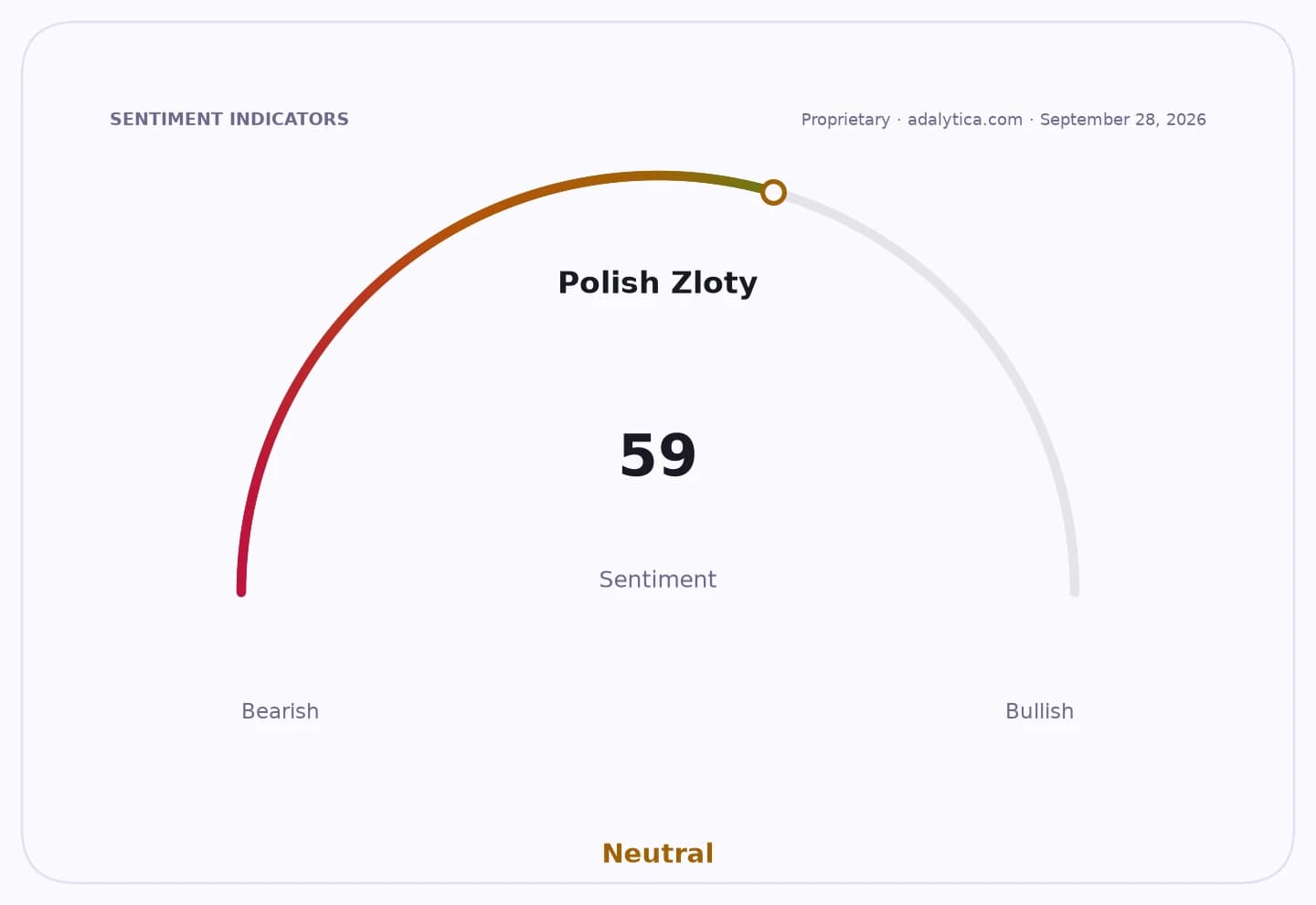
Sentiment IndicatorsⓘProprietary · adalytica.com · October 8, 2026
This is a snapshot — live sentiment, awareness and momentum for 130+ markets update continuously in the dashboard.Open AlphaPulse
That matters economically because growth of this kind changes the quality of the entire economy. A GDP above $1 trillion puts Poland within reach of the world’s 20 largest economies, giving it more weight in trade, investment and policymaking. At the same time, unemployment near 3% suggests the expansion is broad enough to support households and consumption, even as the country modernizes rapidly. In other words, this is not just a story about factories and wage arbitrage. It is a story about a labor market that remains tight, a capital city that is visibly transforming, and an economy that is finally beginning to look like a destination rather than a detour.
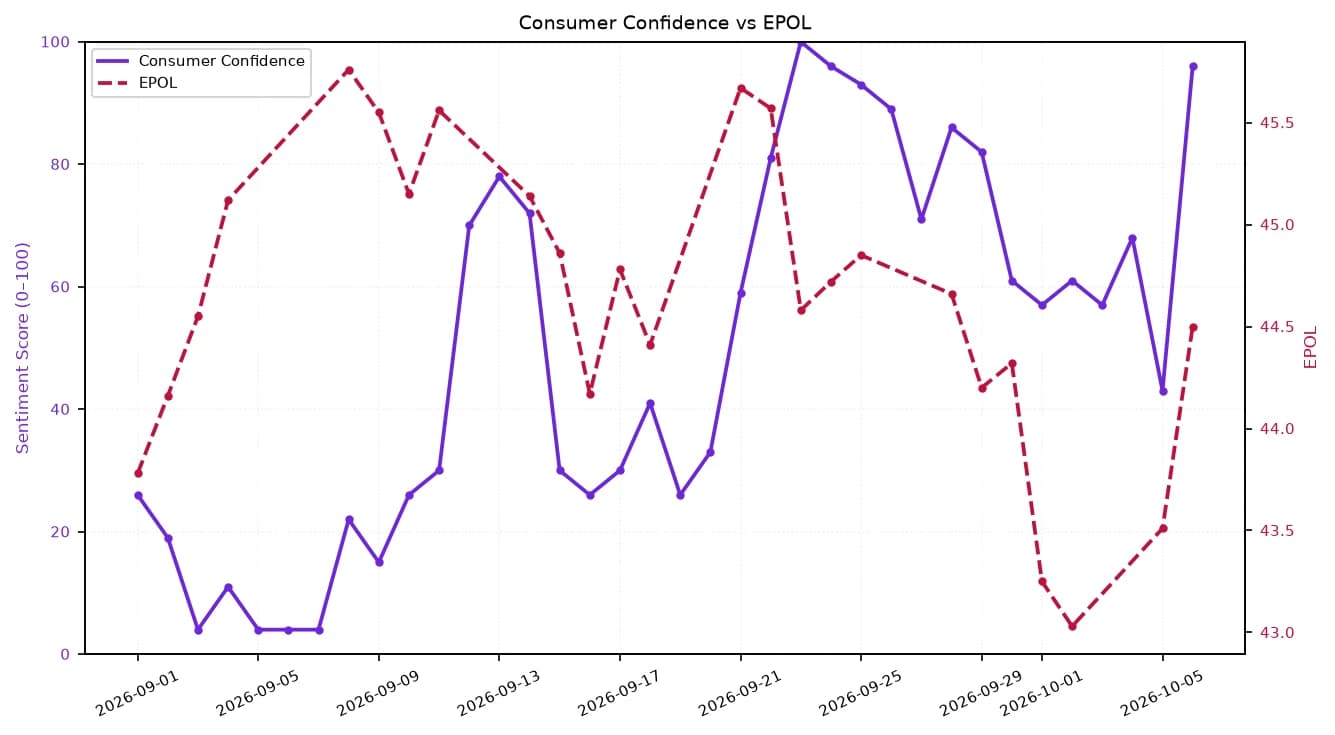
For investors, that combination is powerful. Countries that move from “cheap labor” reputations to higher-value growth profiles often attract more foreign direct investment, more local entrepreneurship and better public market opportunities over time. Poland’s rise should matter to those looking at European exposure through country ETFs such as EPOL and EWG, but also to long-term investors who care about where the next decade of earnings growth might come from. The fact that Polish equities have held up far better than some broader Europe peers underscores the market’s growing recognition that this is a different kind of economy than the one many investors remember.
The macro backdrop also helps explain why the story has staying power. Europe has been weighed down by sluggish growth, especially in Germany, so any economy in the region expanding at a 3.6% clip stands out. Poland’s low unemployment gives households more income security, while a bigger economy helps support infrastructure, housing, retail and financial services. That is the kind of setup that can compound for years, not just quarters, if policy remains supportive and capital continues to flow in.
There are risks, of course. Faster growth can run into inflation pressure, labor shortages or political friction over how to share the gains. And investors should remember that one strong year does not make a structural transformation permanent. But the underlying narrative is hard to miss: Poland has moved past the old “Polish plumber” cliché and into the company of Europe’s most dynamic economies. For long-term investors, that makes the country worth watching — and worth considering as part of a diversified portfolio built to capture secular growth, not just short-term market noise.
| Entity | Gains | Losses |
|---|---|---|
| Poland | ▲Faster growth, higher global standing | ▼Old low-cost stereotype |
| Polish households | ▲Stronger job market, rising incomes | ▼Inflation and wage pressure |
| Foreign investors | ▲Bigger market, better growth story | ▼Those underweight Poland |
| Germany and slower-growth peers | ▲— | ▼Relative economic leadership |