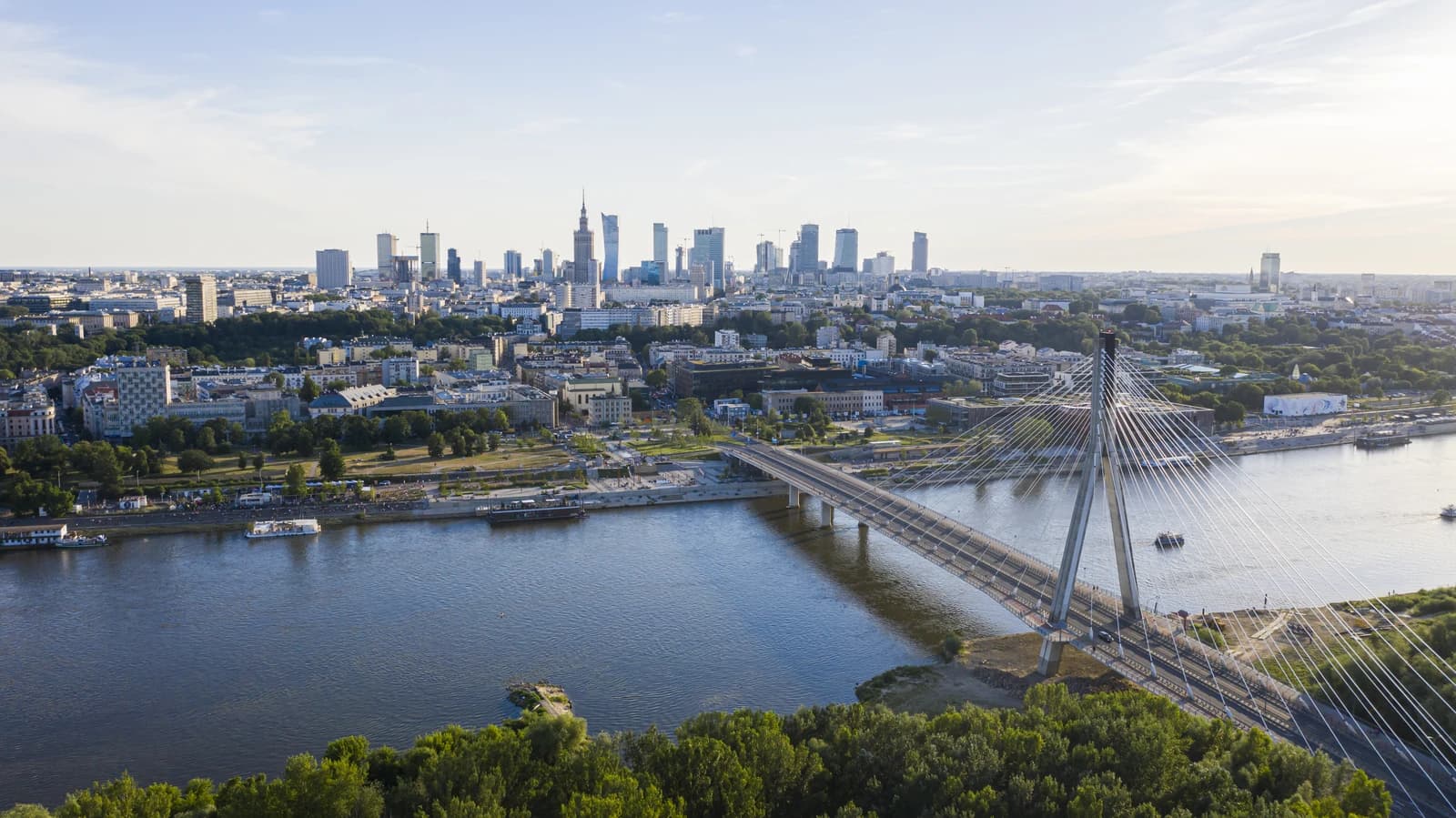
Ukrainians are starting to leave Poland in larger numbers, a reminder that Europe’s war-driven labor shock is no longer a one-way economic tailwind for its neighbors. That matters because the same region is now grappling with softer growth, higher living costs and a more fragile industrial backdrop — conditions that are also showing up in the shares of German carmakers such as Mercedes-Benz and Volkswagen.
Poland Sees Fewer Ukrainian Refugees, Auto Shares Stabilize

The biggest new development is the shift in refugee flows. Polish media cited by RMF said 6,300 Ukrainians left Poland in June and 8,100 in July, even as the country still hosts about 953,100 Ukrainian refugees. For investors, that is more than a migration statistic. It speaks to a labor market and consumer base that has helped Polish retailers, landlords and service firms absorb the shock from the war, while also reinforcing demand across Central Europe. If that flow is reversing, even partially, it can change wage pressure, rental demand and spending patterns.
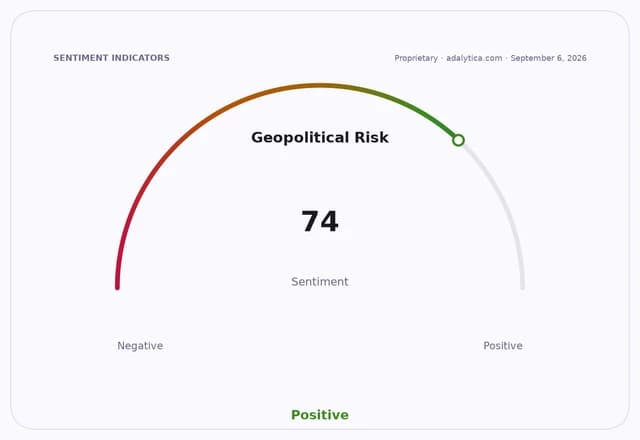
Sentiment IndicatorsⓘProprietary · adalytica.com · September 6, 2026
This is a snapshot — live sentiment, awareness and momentum for 130+ markets update continuously in the dashboard.Open AlphaPulse
It also underscores how the war continues to reshape Europe’s economy in uneven ways. Poland has benefited from Ukrainian workers and consumers, but the latest figures suggest some refugees are now seeking opportunities in the Czech Republic and Germany. That comes at a time when governments are under pressure to sustain support for Ukraine while managing domestic strain, from housing to public services.
The auto sector offers another lens on the same slowdown. Mercedes-Benz and Volkswagen shares have both been under pressure, even as recent price moves show some stabilization. Mercedes-Benz Group’s U.S.-listed shares rose to $13.75 on Sept. 4 from $13.36 two days earlier, while Volkswagen’s U.S.-listed shares jumped to $9.43 from $8.62 over the same stretch. But both remain well below longer-term levels, with Volkswagen still under its 200-day moving average and Mercedes trading beneath its own 200-day trend line. That points to investors still worrying about demand, pricing power and the health of European manufacturing.
Energy costs and geopolitics remain part of the story. Brent crude and U.S. benchmark oil have both moved higher in recent sessions, a headwind for consumers and for industries such as transportation and chemicals that depend on stable input costs. At the same time, official sentiment gauges tracked by Adalytica.com show rising attention to global instability, the dollar and the euro, reflecting a market that is still pricing in policy uncertainty and war risk.
For long-term investors, the takeaway is not to chase every swing in refugee numbers or auto shares, but to recognize the broader pattern: Europe is living through a multi-year adjustment in labor, energy and industrial competitiveness. Poland’s gains from Ukrainian migration may be moderating, while Germany’s manufacturers still face a weak operating backdrop. That is a reminder to favor companies with pricing power, strong free cash flow and global exposure, and to stay patient through the volatility. For now, this is a story worth watching closely, not trading around.
| Entity | Gains | Losses |
|---|---|---|
| Poland employers | ▲Easier labor supply | ▼Smaller refugee inflow |
| Ukrainian refugees | ▲New opportunities in Czech Republic/Germany | ▼Stability in Poland |
| Mercedes-Benz and Volkswagen | ▲Short-term share bounce | ▼Weak European demand outlook |
| Consumers in Europe | ▲Potentially lower labor tightness | ▼Higher energy and living-cost pressure |