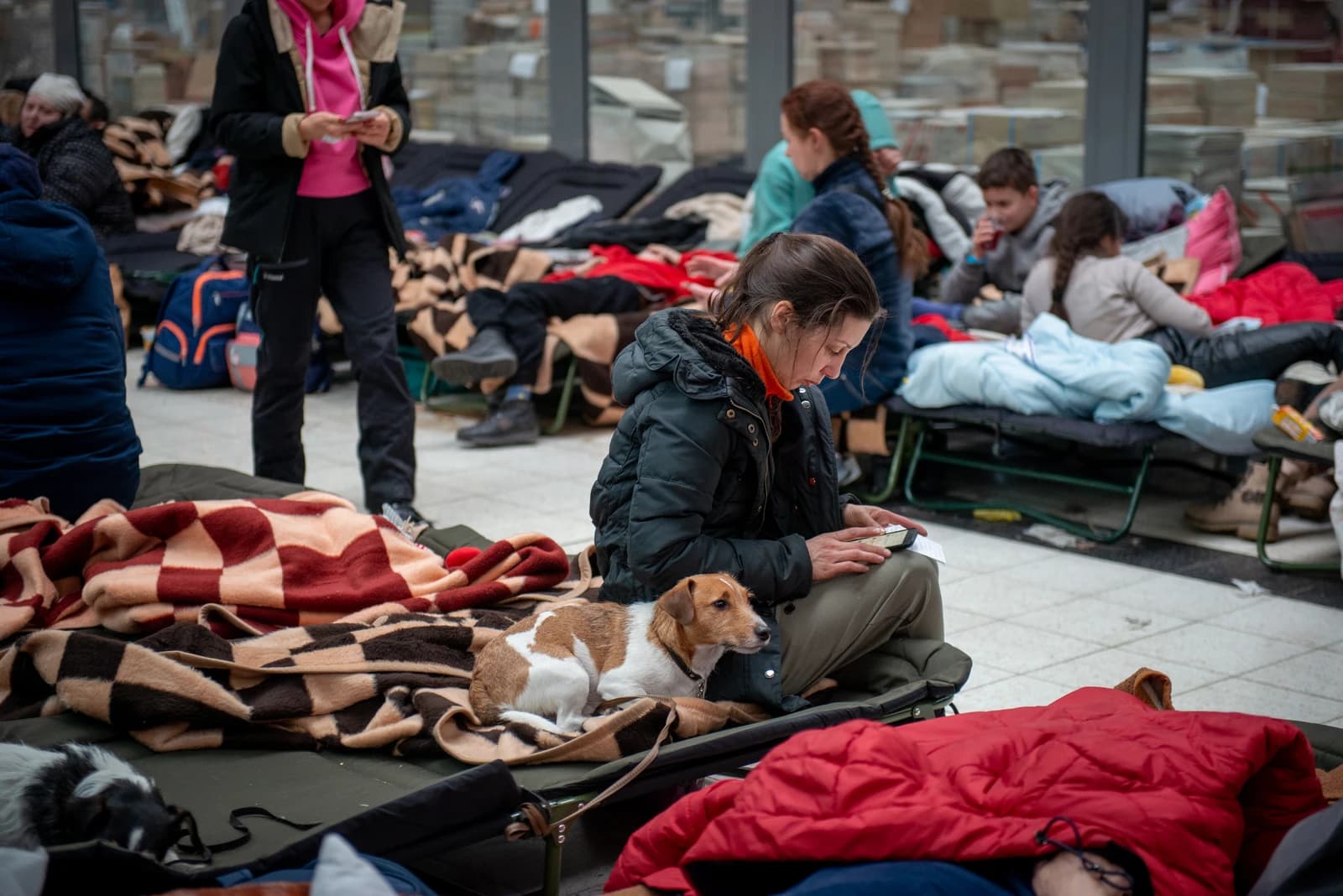
Poland’s Ukrainian refugee population is starting to roll over after years of wartime inflows, with about 8,100 Ukrainians leaving in a single month and a broader pullback that could reshape the labor market, public finances and regional politics.
Poland Ukrainian Refugee Outflow Raises Labor Concerns

The move matters economically because Ukrainians have been a key source of workers for Poland’s tight labor market, helping fill vacancies in construction, services, logistics and manufacturing. A sustained outflow would ease some pressure on housing, schools and local services, but it would also reduce labor supply at a time when employers still face shortages and Europe’s eastern flank remains under strain from the war in Ukraine.
Sentiment IndicatorsⓘProprietary · adalytica.com · September 5, 2026
This is a snapshot — live sentiment, awareness and momentum for 130+ markets update continuously in the dashboard.Open AlphaPulse
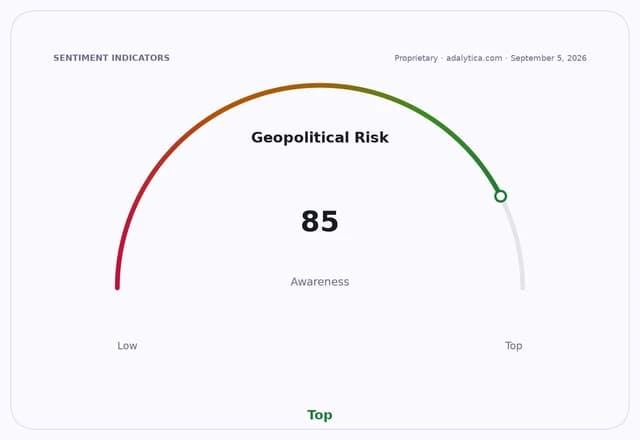
The numbers suggest the shift is not just anecdotal. Poland has hosted one of the largest Ukrainian populations in the EU since Russia’s invasion, and a monthly exit of 8,100 people points to changing incentives as refugees seek work, more stable status or reunification elsewhere in Europe. For Warsaw, that means a slower expansion of a workforce that has supported growth and consumption over the past three years.
Investors should watch the labor and housing ripple effects first. Sectors that benefited most from Ukrainian workers, including logistics, retail, food processing and industrial services, could see tighter staffing and higher wage pressure if departures continue. At the same time, landlords and developers could face softer demand in some urban markets, while consumer spending linked to refugee households may also cool.
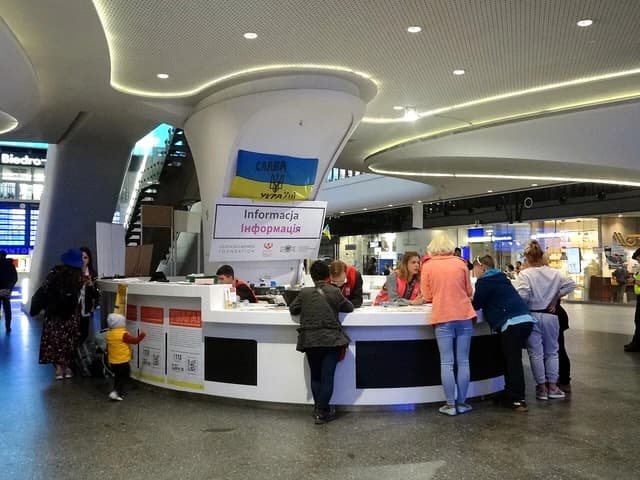
The political backdrop is also moving. Poland remains a frontline state for Ukraine’s war effort and a central transit hub for refugees, even as European governments face pressure over migration, shelter costs and border management. That keeps refugee flows tied not just to humanitarian policy, but to fiscal spending, electoral tensions and the broader outlook for regional security.
For markets, the key question is whether the latest outflow is a one-off or the start of a longer normalization in post-invasion migration patterns. If departures accelerate, the biggest winners are employers and landlords facing less strain on capacity; the losers are workers, local budgets and the businesses that had counted on a growing Ukrainian consumer and labor base.
| Entity | Gains | Losses |
|---|---|---|
| Polish employers | ▲Easier recruitment | ▼Less labor supply |
| Polish municipalities | ▲Lower service strain | ▼Smaller tax base |
| Ukrainian refugees leaving Poland | ▲More flexibility, reunification | ▼Less stable footing |
| Landlords and developers | ▲Softer vacancy risk easing in some areas | ▼Weaker rental demand |