Eurocash’s return to profitability in the second quarter is the key Poland-specific development for investors to watch, signaling that cost cuts are starting to outweigh pressure from a still-competitive retail market.
Eurocash Returns to Profit in Q2

The move matters economically because Poland’s consumer sector has been operating under tight margins, with households sensitive to pricing and retailers forced to defend market share while absorbing higher operating and financing costs. A retailer moving back into the black suggests that management discipline, rather than top-line growth alone, is becoming the main lever for earnings recovery.
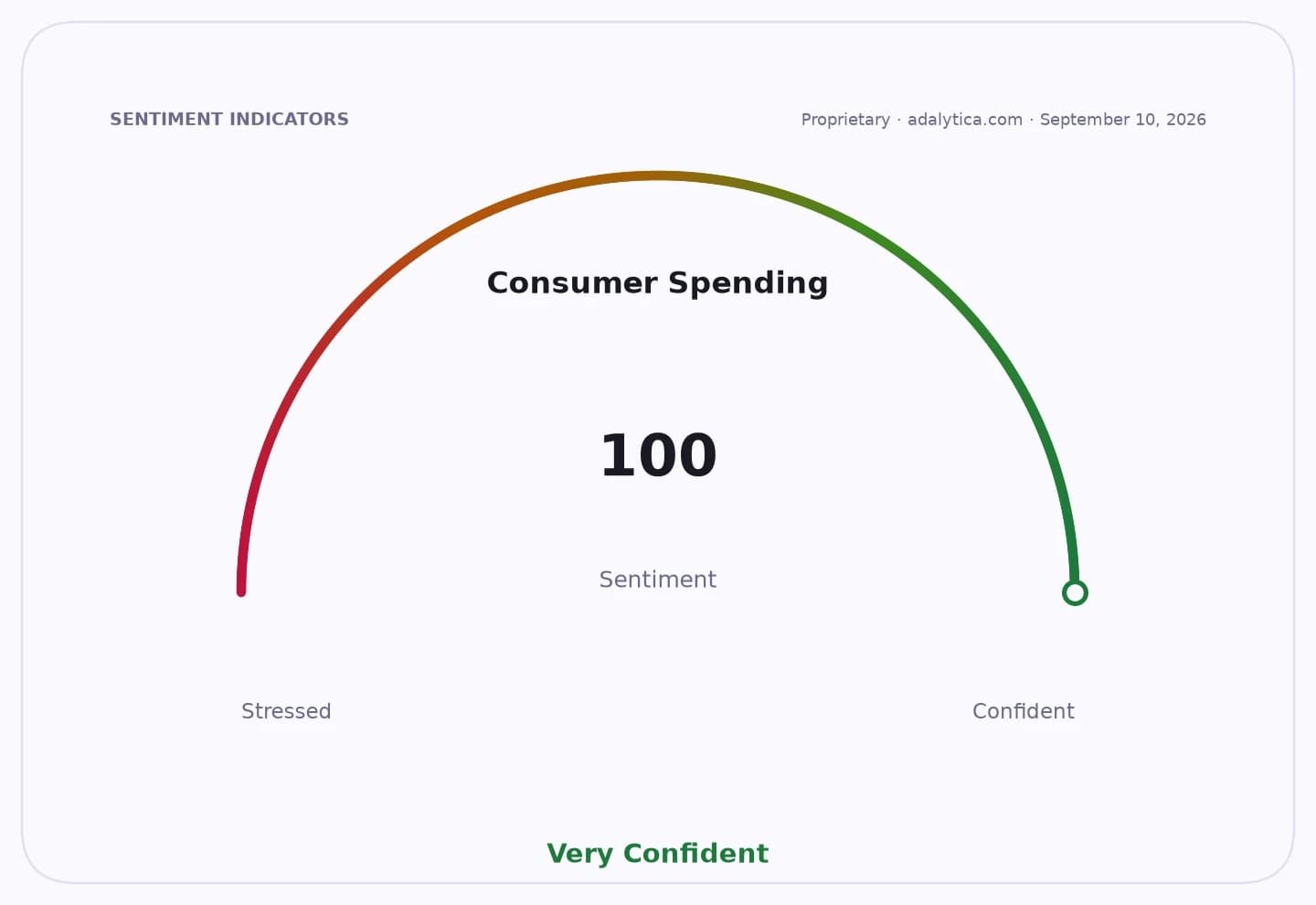
Sentiment IndicatorsⓘProprietary · adalytica.com · August 31, 2026
This is a snapshot — live sentiment, awareness and momentum for 130+ markets update continuously in the dashboard.Open AlphaPulse
For investors, the turnaround is a reminder that in Polish equities, execution can matter more than macro beta. Companies that can strip out expenses and protect cash flow may outperform even if demand remains uneven. That is particularly relevant in a market where investors are also monitoring the zloty, central bank policy and broader European risk appetite for clues about whether consumer spending can accelerate.
The broader backdrop remains mixed. Technical trading in the iShares MSCI Poland ETF, EPOL, shows the fund above both its 50-day and 200-day moving averages, with momentum still constructive despite some recent softening in RSI readings. That leaves Polish assets supported, but not euphoric, as investors balance improving corporate fundamentals against a cautious macro and geopolitical backdrop.
Adalytica’s Euro Trade Signals snapshot shows sentiment for the euro region slipping to fear even as awareness remains elevated, while its global stability gauge points to continued investor confidence in the broader risk environment. For Poland, that combination typically favors stock selection over broad index exposure: names with clear earnings delivery can attract flows, but weaker operators may struggle if investors turn less forgiving on margins.
Eurocash’s results therefore fit a wider narrative in Poland that the next phase of equity performance may come from operational repairs rather than cyclical luck. The key question for coming quarters is whether the profit rebound proves durable, or whether it reflects only a temporary cost tailwind in a retail market that remains highly competitive.
| Entity | Gains | Losses |
|---|---|---|
| Eurocash | ▲Profit rebound | ▼Turnaround skepticism |
| Cost-efficient retailers | ▲Margin expansion | ▼Less efficient rivals |
| EPOL longs | ▲Supportive technicals | ▼Pullback risk |
| Consumers/buyers | ▲Potential price discipline | ▼Weaker service depth |