Core inflation in Poland climbed to 3.3% in August, its highest in a year, underscoring how a renewed energy shock is beginning to filter through to the broader price basket and complicate the National Bank of Poland’s efforts to keep monetary policy on hold.
Poland core inflation rises to 3.3% in August
The increase matters because core inflation strips out food and energy and is therefore watched as a cleaner gauge of domestic price pressure and the part of inflation most influenced by interest rates. A reading of 3.3% suggests Poland’s disinflation process is losing momentum just as headline inflation is also moving higher, with economists warning that the current surge in oil and gas prices could continue to push up service prices, transport costs and eventually imported goods.
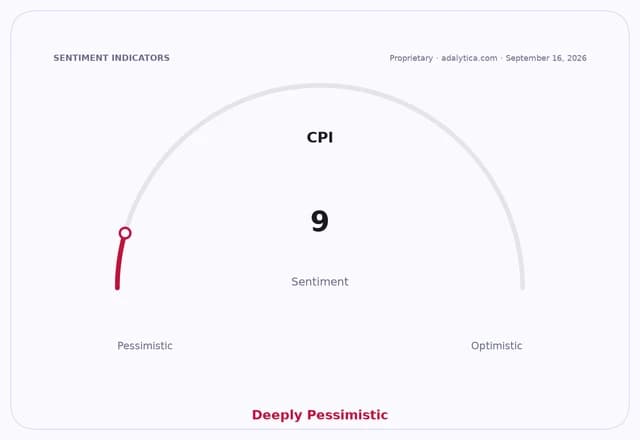
The data point also marks a sharp turn from the recent easing trend. Core inflation had drifted down from around 3% to 3.1% in the previous months, helped by slower wage growth, weaker industrial prices and low inflation expectations. August reversed that pattern. Prices for foreign travel were more than 14% higher than a year earlier, road passenger transport rose 7.3%, and tobacco prices were nearly 20% higher, reflecting both tax effects and broader cost pressures. Excluding administered prices, inflation was 3.6%, the highest since March 2025.
For policymakers, the risk is not yet a wage-price spiral, but the margin for comfort is narrowing. Poland’s economy has seen wage growth cool to 5.5% in the second quarter, the slowest in 5.5 years, which should limit the danger of a 2022-style feedback loop between pay and prices. Still, economists at Credit Agricole Bank Polska see headline inflation rising to about 5% by December, while Erste Bank Polska said higher global producer prices and transportation costs are making it harder for Poland to “import disinflation” from China and other manufacturing hubs.
That is why the reading matters to investors: it lowers the odds of near-term rate cuts and keeps pressure on local bond yields, while supporting the view that rate policy will stay restrictive longer than markets had hoped. It also suggests that consumer spending, already slowing as real wage gains fade, may soften further if fuel and service costs keep rising.
The broader narrative is that Poland is moving from a benign disinflation phase back toward a more uncomfortable inflation regime shaped by external shocks rather than domestic overheating. If energy prices remain elevated, the next few quarters could bring a wider pass-through into goods and services, keeping the central bank cautious and challenging valuations across domestic rate-sensitive assets.
| Entity | Gains | Losses |
|---|---|---|
| Energy producers | ▲Higher revenue | ▼Volatile demand |
| Polish consumers | ▲— | ▼Higher transport and service costs |
| National Bank of Poland | ▲Policy caution | ▼Less room to cut rates |
| Bondholders | ▲— | ▼Higher-for-longer yields |