Moody’s downgrade of Poland to A3 is the clearest sign yet that rising public deficits and a more fraught security backdrop are starting to outweigh the country’s long-standing growth appeal for global investors.
Poland Moody's Downgrade to A3 on Fiscal Woes

The agency cut the sovereign one notch from A2, its first downgrade of Poland in nearly 24 years, while shifting the outlook to stable from negative. That combination matters: the lower rating raises the political and fiscal price of borrowing, but the stable outlook suggests Moody’s sees the immediate risk of further cuts as contained unless policy or spending trends deteriorate again.
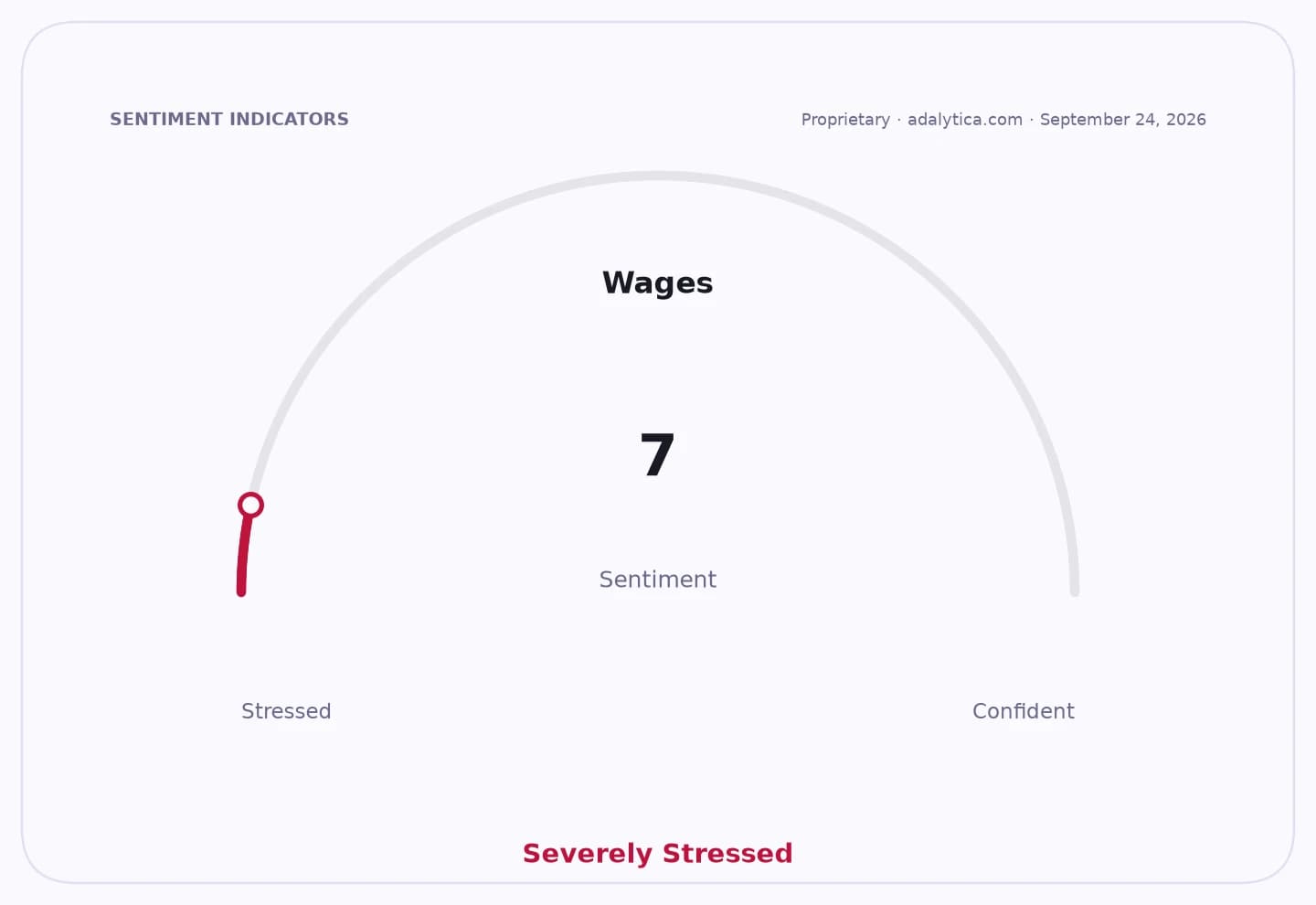
Sentiment IndicatorsⓘProprietary · adalytica.com · September 25, 2026
This is a snapshot — live sentiment, awareness and momentum for 130+ markets update continuously in the dashboard.Open AlphaPulse
At the heart of the decision is Poland’s public-finance trajectory. Warsaw has been spending heavily on defense, social transfers and other support measures, while debt-servicing costs are rising alongside still-elevated global rates. Moody’s said the downgrade reflects expectations of a lasting weakening in fiscal strength, reinforcing concerns that Poland’s deficits may stay wider for longer than previously assumed. For a country that has been one of Central Europe’s strongest growth stories, the move is a warning that the cost of that resilience is becoming more visible in the sovereign accounts.
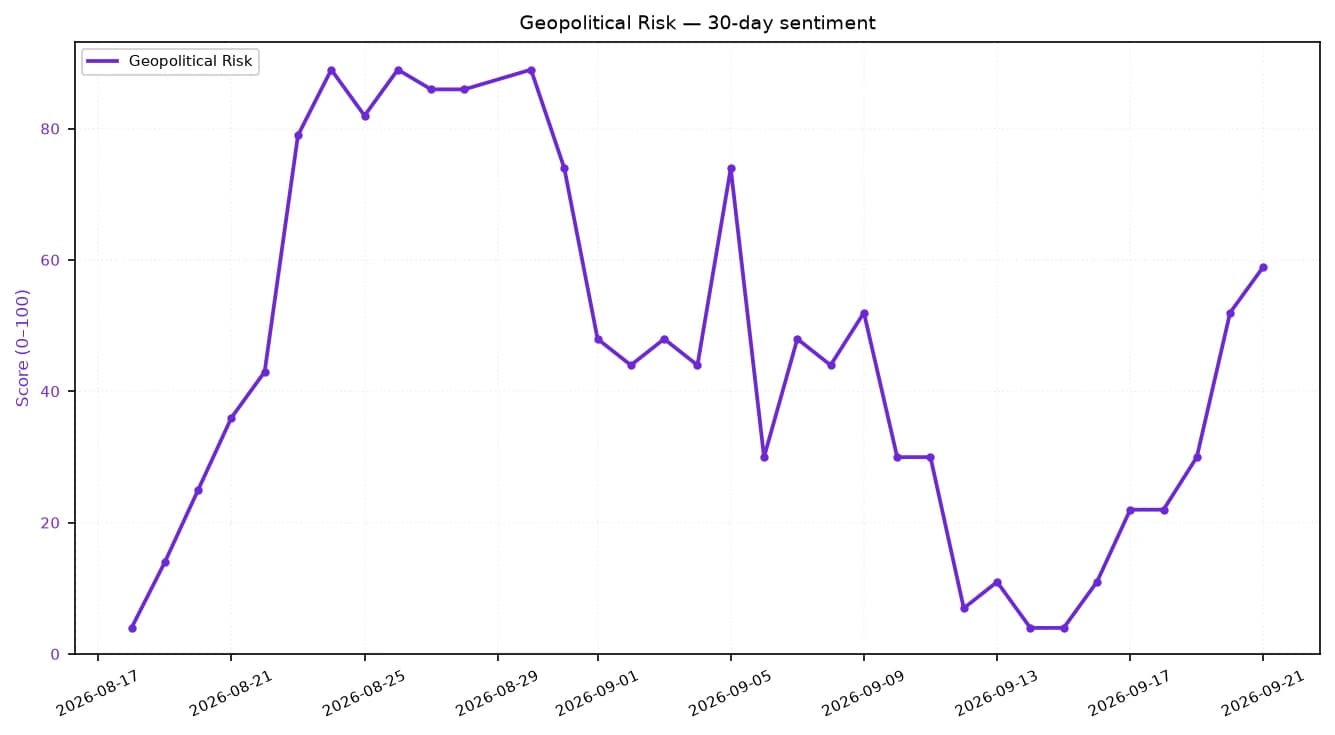
The timing also matters. Poland sits on NATO’s eastern flank and remains exposed to spillovers from Russia’s war in Ukraine. News of Russian drone attacks near the border and the deliberate strike on a train close to Warsaw have added to the sense that the security premium on Polish assets is not fading. In that environment, a weaker credit profile can feed into financing costs just as the state is being asked to spend more on defense and infrastructure.
For investors, the downgrade is most relevant through the sovereign yield curve, the zloty and Polish bank and bond exposure. A lower rating does not automatically trigger forced selling, but it can deepen caution among reserve managers and benchmark-sensitive funds, especially if fiscal slippage continues. It also matters for Polish corporates, because sovereign ratings influence funding conditions across the economy, from government debt to bank wholesale borrowing and the pricing of private capital.
There are still arguments on the other side. Poland retains a large domestic market, a diversified economy and access to EU funding, and the stable outlook shows Moody’s is not anticipating an immediate fiscal break. If growth holds up and the government reins in deficits, the downgrade could prove more of a reset than a structural break. But if defense spending, social outlays and debt costs keep rising faster than revenue, the pressure on further ratings action will remain.
Adalytica’s Global Stability Sentiment gauge is at 46, in neutral territory, but with awareness still in fear mode, underscoring how markets remain sensitive to geopolitical shocks on Europe’s eastern frontier. For Poland, the message from Moody’s is blunt: investors are no longer being paid only for growth exposure, but increasingly for sovereign risk.
| Entity | Gains | Losses |
|---|---|---|
| Polish government | ▲Clearer fiscal warning | ▼Higher borrowing pressure |
| Bond investors | ▲Stable outlook limits near-term risk | ▼Lower rating on sovereign debt |
| Polish banks | ▲Domestic economy still resilient | ▼Funding costs may rise |
| Defense and security spending | ▲More strategic urgency | ▼Budget flexibility narrows |