German producer prices rose at the fastest pace in more than three years in August, underscoring renewed cost pressure in Europe’s largest economy and adding to the case for firmer inflation through the industrial pipeline. Prices at the factory gate climbed 4.6% from a year earlier, well above the 4.1% forecast and up from 3.0% in July, according to Destatis.
Germany producer prices rise 4.6% in August
The increase was the strongest since April 2023 and was driven mainly by energy, which was 8.3% more expensive than a year ago amid the conflict in the Middle East. Intermediate goods also rose sharply, up 6.1%, while capital goods gained 2.4% and durable consumer goods 2.1%. Non-durable consumer goods fell 2.0%.
Sentiment IndicatorsⓘProprietary · adalytica.com · September 20, 2026
This is a snapshot — live sentiment, awareness and momentum for 130+ markets update continuously in the dashboard.Open AlphaPulse
On a monthly basis, producer prices rose 1.1%, topping expectations for a 0.6% increase. Excluding energy, producer prices were still up 3.1% from a year earlier and 0.2% from July, showing inflation pressure is not confined to utilities alone.
The reading matters because producer prices often feed into consumer prices with a lag, especially when energy and raw material costs are rising. That makes the data important for the European Central Bank, which is weighing how quickly underlying inflation will cool while growth across the euro area remains fragile.
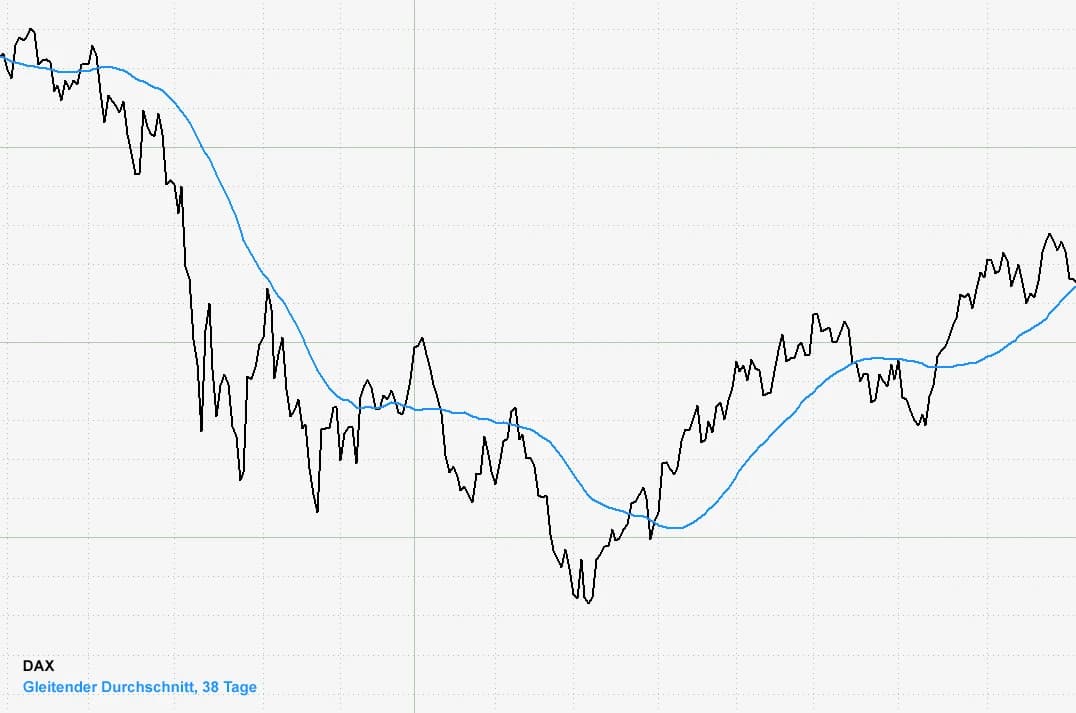
For investors, the report supports higher-for-longer pricing pressure in industrials, utilities and energy-intensive sectors, while keeping pressure on bond markets if inflation expectations firm. In Germany, the DAX was down modestly, while the U.S.-listed Germany ETF EWG also showed weak momentum in recent trading, with both technically softer than their recent averages.
The latest jump also highlights how geopolitical risk can ripple through European supply chains even as consumer inflation has eased from its peaks. The next key test for markets will be whether the August producer price spike carries through into euro zone CPI readings and changes the ECB’s tone on rate cuts.
| Entity | Gains | Losses |
|---|---|---|
| Energy producers | ▲Higher realized prices | ▼Energy-intensive manufacturers |
| German industrial firms | ▲Some pricing power | ▼Margin pressure from input costs |
| ECB hawks | ▲Stronger inflation case | ▼ECB doves |
| Bondholders | ▲— | ▼Inflation-sensitive fixed income holders |