Spain’s inflation has surged ahead of the euro zone again, and that matters because the oil shock tied to Iran is now feeding through faster in Europe’s fourth-largest economy than in its peers.
Spain Inflation Jumps Above Euro Area Again
The harmonized consumer price index rose 4.6% in August from a year earlier, well above the 3.2% pace in the euro area, widening the gap to 1.4 percentage points, the biggest since August 2022. For investors, that is more than a statistical quirk: it signals Spain may lose some of the price competitiveness that has helped support domestic demand and services activity, while reinforcing the case for higher-for-longer pressure on energy-sensitive sectors across Europe.
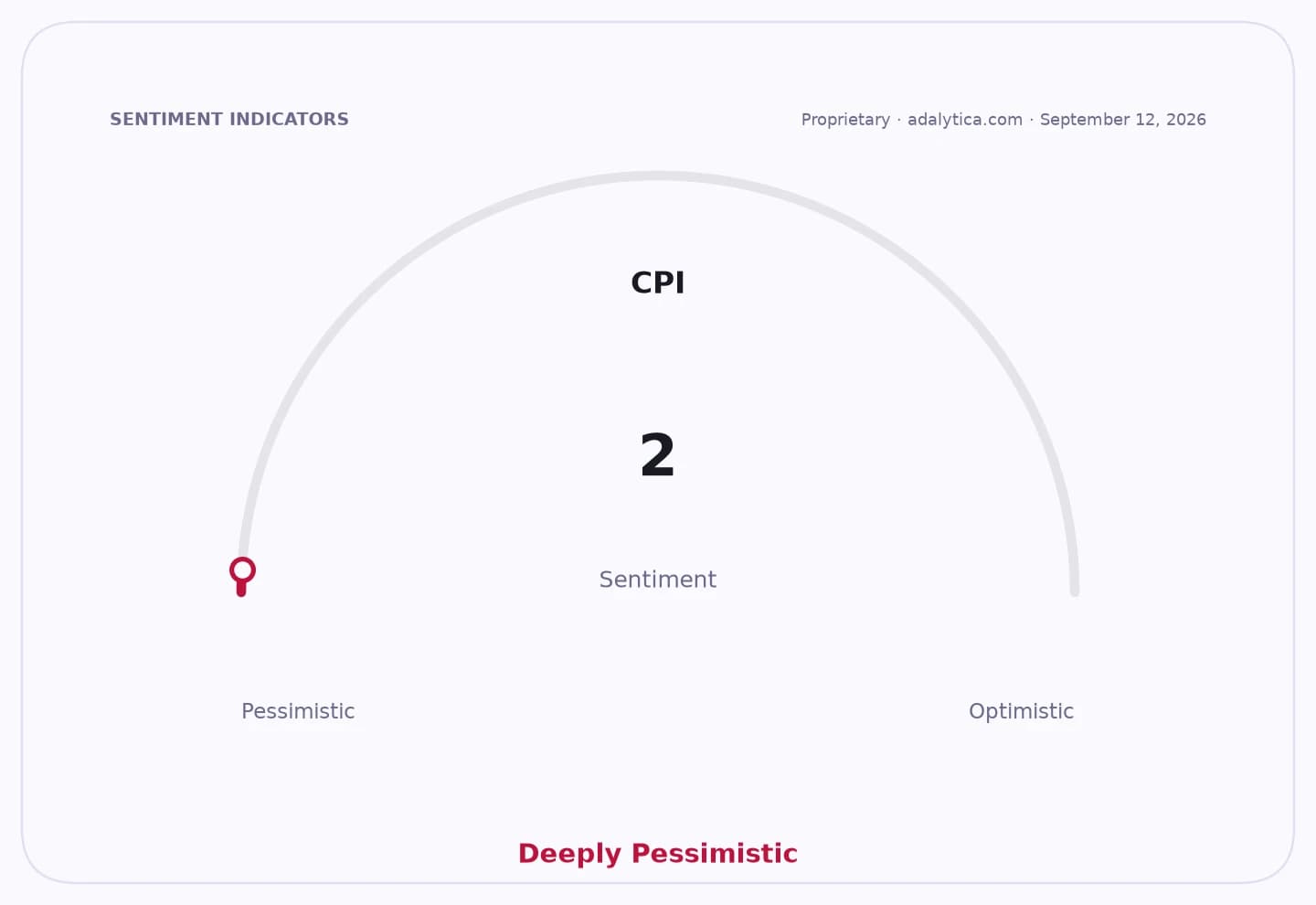
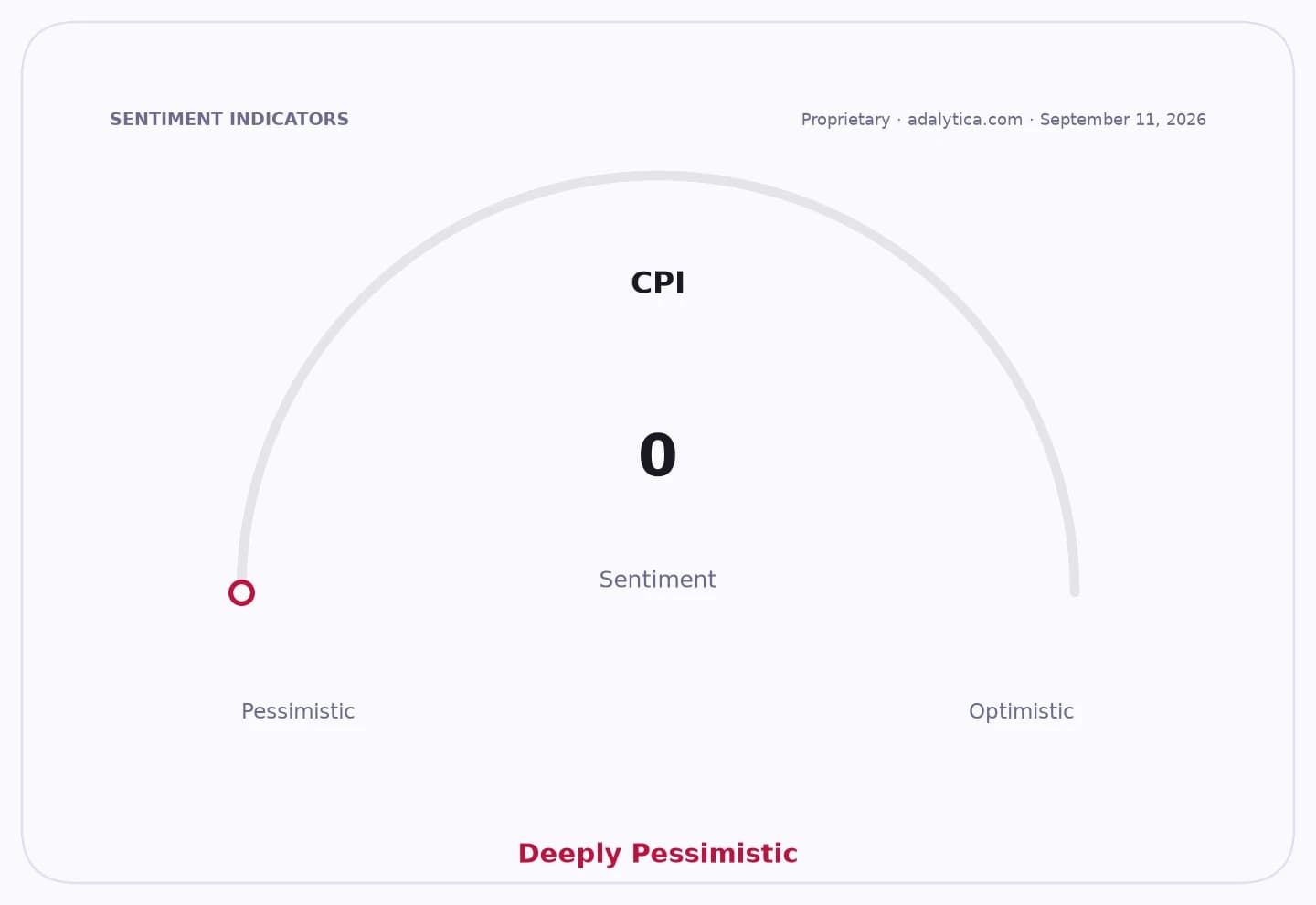
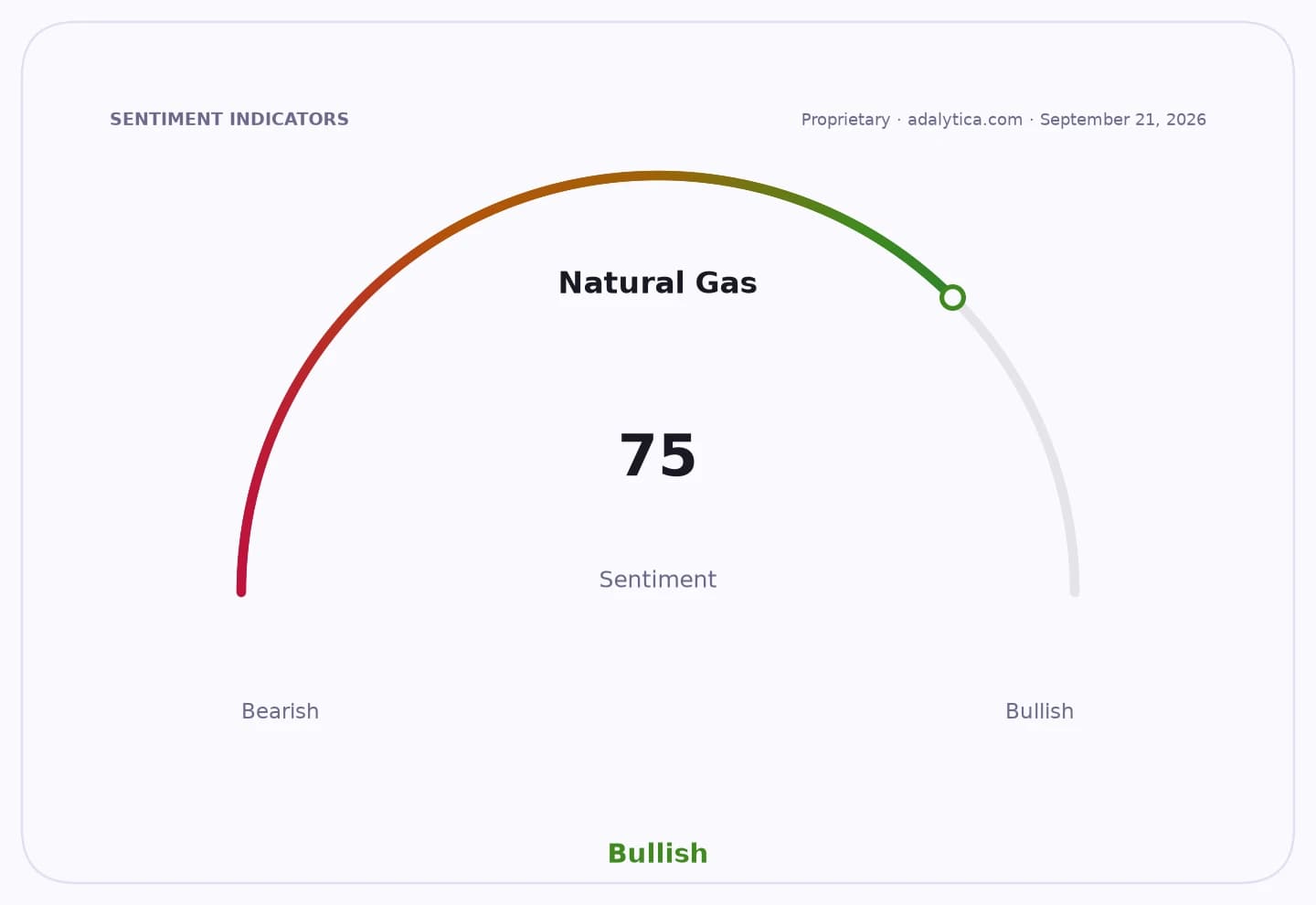
Sentiment IndicatorsⓘProprietary · adalytica.com · September 24, 2026
This is a snapshot — live sentiment, awareness and momentum for 130+ markets update continuously in the dashboard.Open AlphaPulse
The immediate driver is energy, and Spain is feeling it hard. Energy prices jumped 17.1% in August, among the sharpest increases in Europe, driven more by electricity costs than fuels. Electricity climbed 9.2%, more than triple the euro-zone pace of 2.8%, even as motor fuels surged 23.9% after the Iran conflict lifted crude and gas prices globally. That makes Spain an early transmission point for the latest inflation wave, just as it was in the 2021-22 price shock.
What makes this round more troubling is that Spain was already carrying hotter underlying inflation before the geopolitical spike. Core inflation stood at 3.2% in August, versus 2.1% for the euro zone, and services prices rose 4%, outpacing the bloc’s 3%. Tourism-linked pricing is doing a lot of the work: hotel and lodging costs climbed 9.4% in Spain versus 4.7% in the euro area. Food, clothing, furniture, communications and financial services are also rising faster than in the rest of the currency union.
That combination raises a simple but important market question: is Spain’s inflation just a temporary energy import, or the start of a broader pricing gap that erodes margins, wages and real purchasing power? The market underestimates how quickly a sustained energy shock can spill into services, especially in an economy as exposed to travel, consumption and domestic demand as Spain.
The investment read-through is clear. Higher Spanish inflation can support nominal revenue growth for some consumer-facing and service businesses, but it squeezes household spending power and increases the risk of a policy mismatch if the rest of the euro zone cools faster. It also keeps pressure on European energy markets, where oil-sensitive assets such as U.S.-listed energy ETFs and integrated producers are already benefiting from the latest crude spike. USO’s recent surge and the stronger tone in XLE show capital is still chasing the inflation trade when geopolitical risk hits supply chains.
For Europe, the bigger implication is that Spain may once again be the first major economy to show how an external energy shock turns into a broader cost-of-living problem. If crude and gas stay elevated, the inflation gap with Germany, France and Italy can keep widening, forcing investors to favor inflation hedges, energy producers and companies with pricing power while remaining wary of rate-sensitive consumer names and margins exposed to household demand.
| Entity | Gains | Losses |
|---|---|---|
| Energy producers | ▲Higher realized prices | ▼Demand volatility risk |
| Spanish consumers | ▲None | ▼Lower real incomes |
| Spanish services firms | ▲Nominal pricing power | ▼Margin pressure if demand weakens |
| Euro-zone policymakers | ▲None | ▼Harder disinflation path |