Spain’s biggest union says it will mobilize a “hot autumn” unless wages rise in line with inflation, escalating a fight over how the inflation shock is shared between workers and companies.
Spain unions push for wage hikes with inflation
The warning from CCOO general secretary Unai Sordo matters because Spain’s labor market is already under pressure from the squeeze on real incomes, and the next round of collective bargaining could become a test of whether companies are willing to hand over more of the margin gains they have protected during the energy-price surge. If pay settlements lag prices, consumer demand weakens further; if wages accelerate sharply, the risk of a broader wage-cost spiral rises for employers already facing higher input costs.
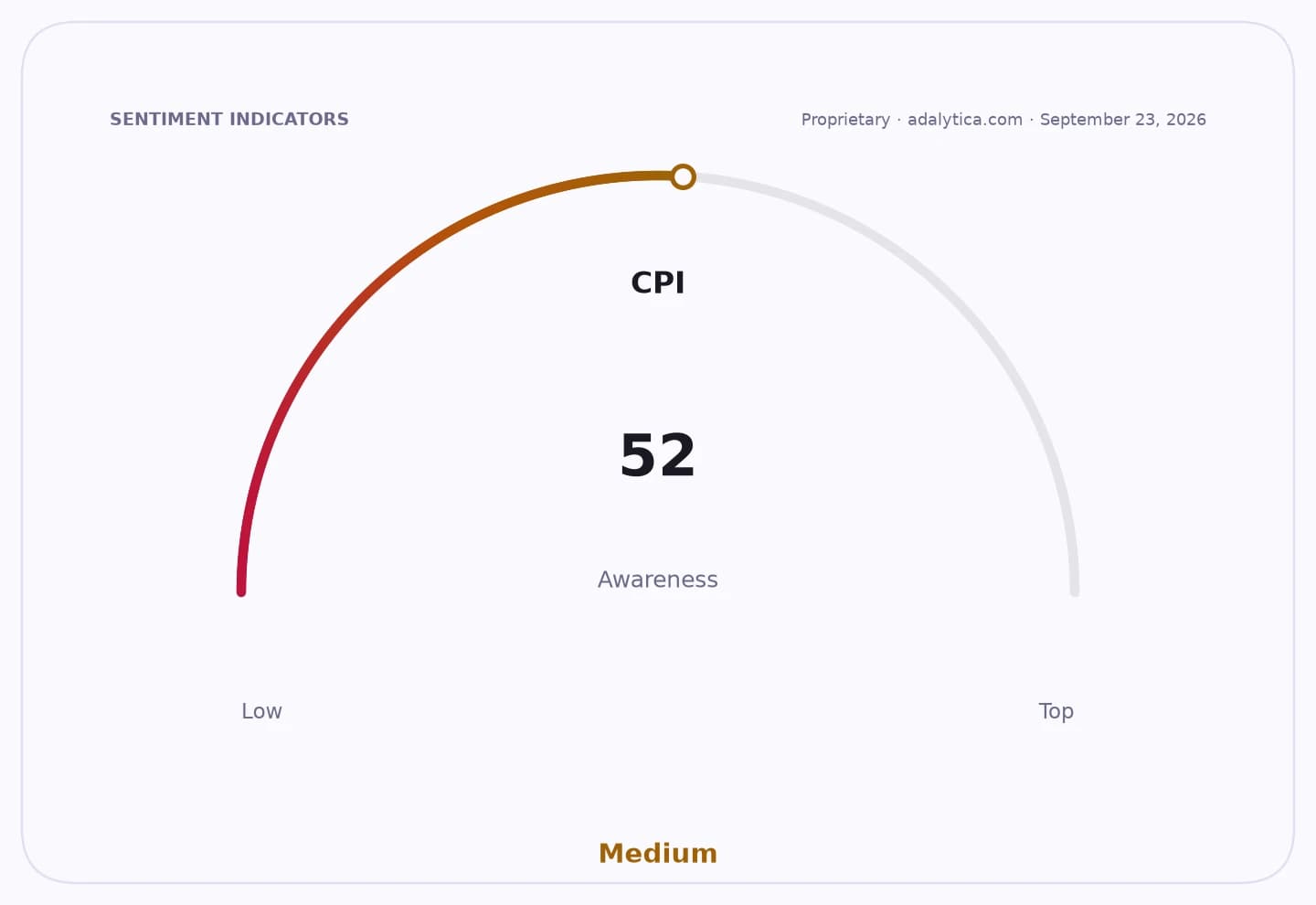
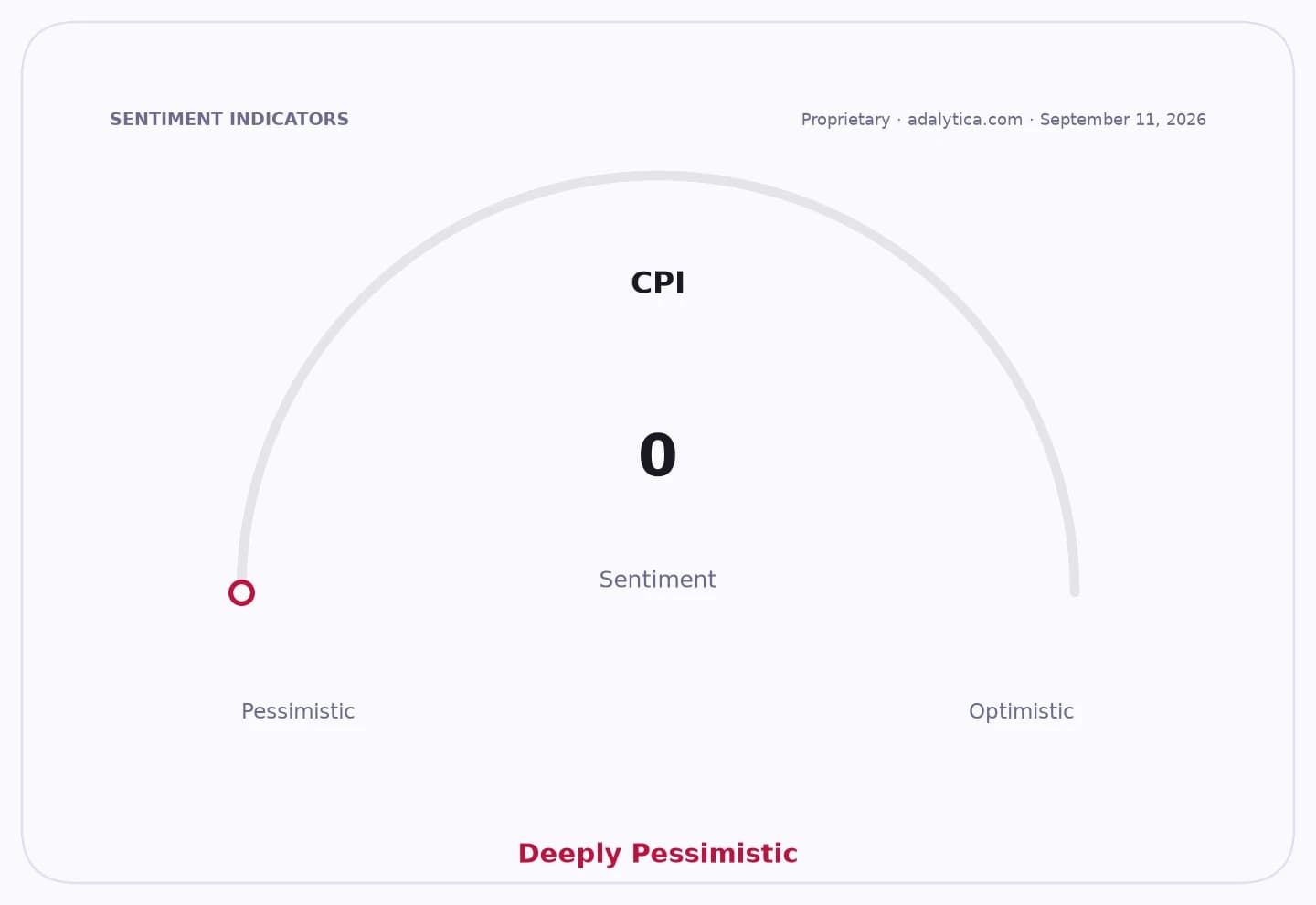
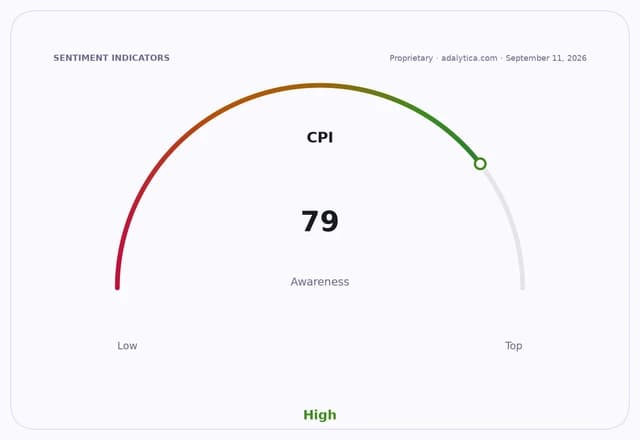
Sentiment IndicatorsⓘProprietary · adalytica.com · September 11, 2026
This is a snapshot — live sentiment, awareness and momentum for 130+ markets update continuously in the dashboard.Open AlphaPulse
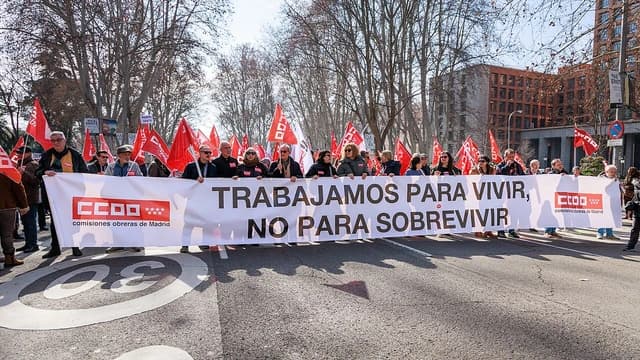
Sordo argued that a large part of Spain’s inflation is being driven not just by gas and oil, but by companies widening profit margins, particularly in energy-related sectors and refining. That is a politically potent message at a moment when households remain sensitive to food, fuel and utility costs, and it shifts the debate from imported inflation to domestic pricing power. For unions, that strengthens the case for compensation. For employers, it raises the likelihood of tougher bargaining and more public pressure.
The immediate economic issue is purchasing power. In a high-inflation environment, nominal wage growth is only part of the story; workers care about real wages, and weak real pay can cool consumption, especially in lower-income households that spend a larger share of earnings on essentials. That would feed back into retailers, leisure, and consumer-facing companies, while also complicating the government’s efforts to sustain growth without adding fiscal support.
There is also a broader policy angle. Spain’s government is separately weighing a higher minimum wage by 2027, alongside measures such as lower social-security contributions and tax relief to soften the blow for employers. That underscores the political sensitivity of the issue: policymakers want to protect workers’ incomes without worsening business costs or employment conditions. Union pressure could force a quicker move on wages, but any aggressive settlement would likely intensify lobbying from companies and business groups.
Investors will watch the wage negotiations as a signal of how sticky inflation becomes in Spain and, by extension, across parts of Europe where labor is still trying to reclaim lost purchasing power. Stronger wage settlements would support household spending and some domestic-demand stocks, but they could also erode margins in labor-intensive sectors and add to pressure on central banks to keep policy restrictive for longer.
For now, the confrontation points to a familiar post-inflation battle: workers want to recover lost ground, companies want to preserve margins, and policymakers are trying to prevent the adjustment from damaging growth. The outcome of the coming bargaining round will help determine whether Spain’s inflation shock is absorbed through profits, pay packets, or both.
| Entity | Gains | Losses |
|---|---|---|
| Workers/union members | ▲Higher real wages | ▼Erosion of purchasing power |
| CCOO and other unions | ▲Stronger bargaining leverage | ▼If pay talks stall |
| Labor-intensive employers | ▲Smoother labor peace if compromise is reached | ▼Margin pressure from pay rises |
| Consumers/retailers | ▲Better wage support for demand | ▼Weaker spending if wages lag inflation |