The European Union has unlocked 6.6 billion euros in military funding for Ukraine, a move that strengthens Kyiv’s war effort and signals Brussels is willing to keep financing the conflict even as Russia tries to wear down Western support.
EU unlocks 6.6 billion euros for Ukraine aid
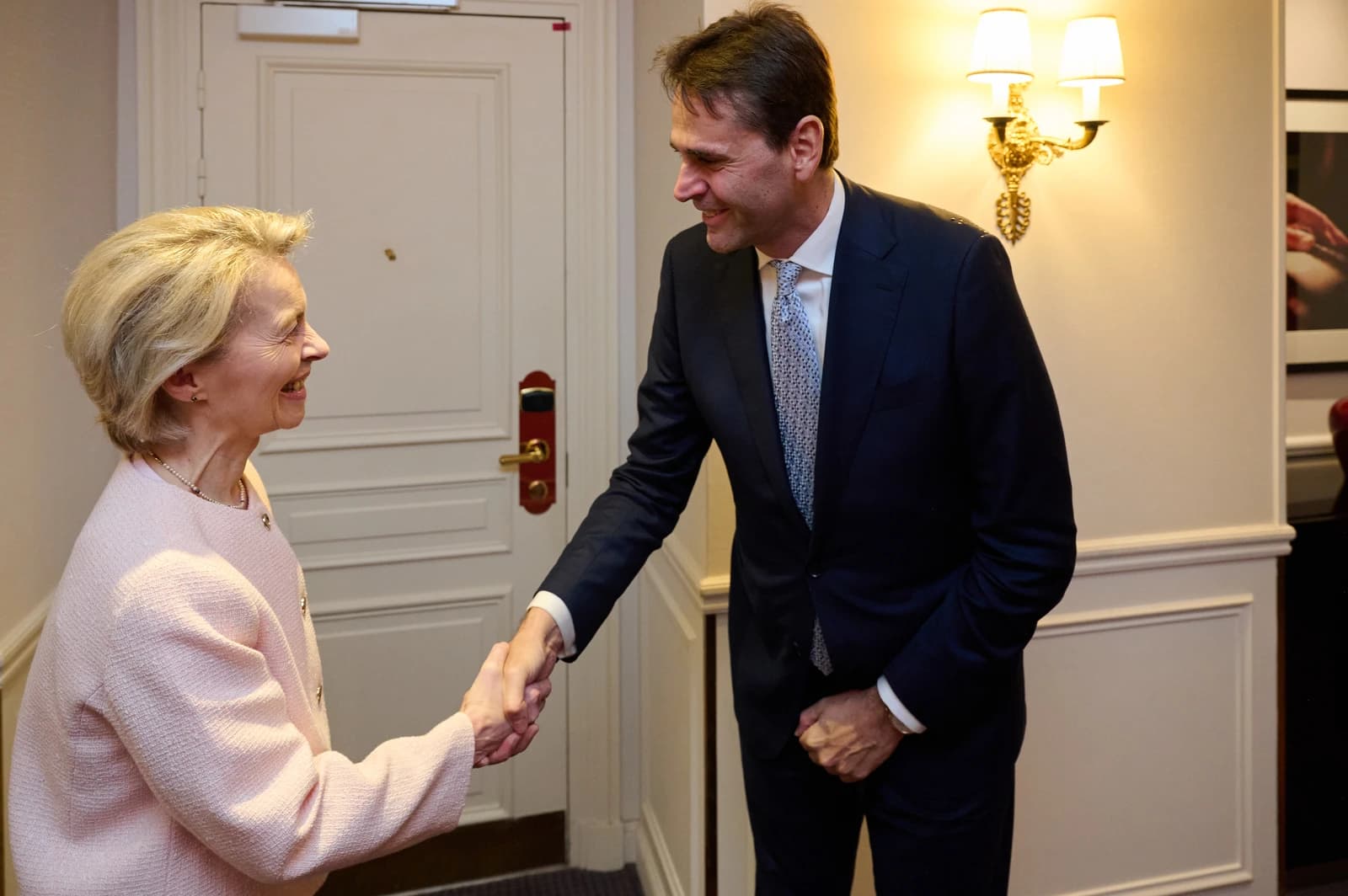
EU foreign policy chief Kaja Kallas said member states agreed on the terms of the release on Sept. 25, ending a freeze that had lasted since spring 2023 after Hungary’s veto. She called it “good news for Ukraine and bad news for Russia,” underscoring the political message as much as the financial one.
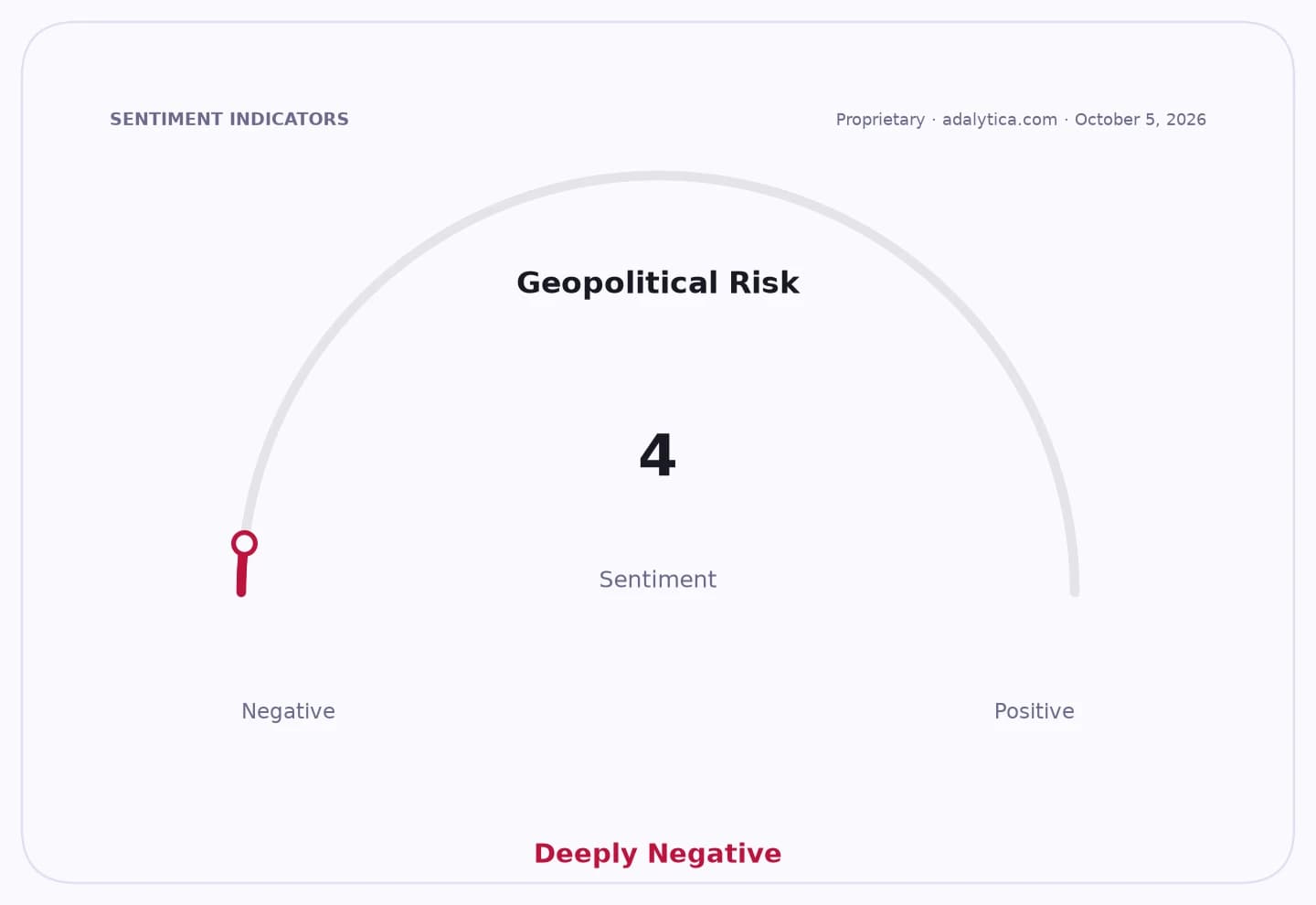
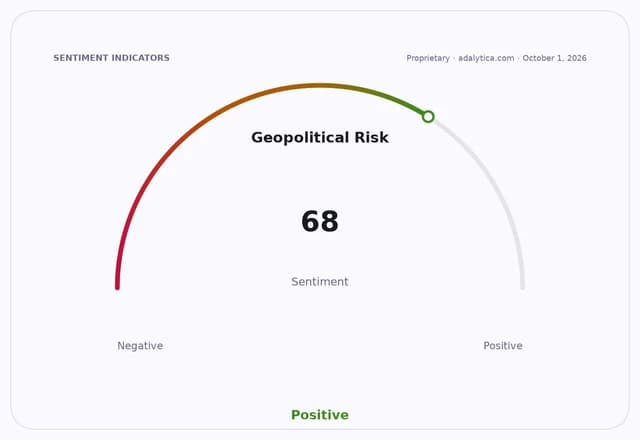
Sentiment IndicatorsⓘProprietary · adalytica.com · October 1, 2026
This is a snapshot — live sentiment, awareness and momentum for 130+ markets update continuously in the dashboard.Open AlphaPulse
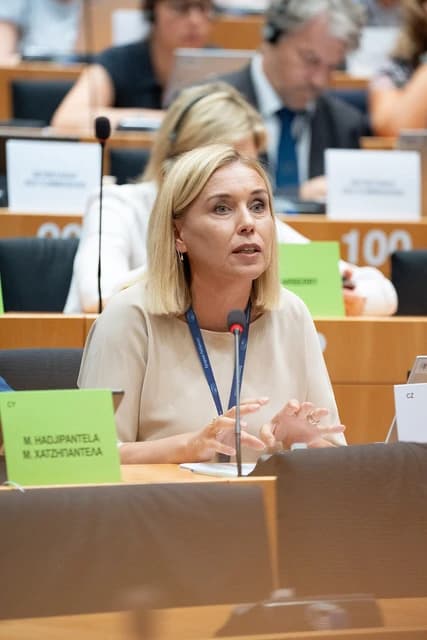
The package comes from the European Peace Facility, a pool that is increasingly central to Europe’s wartime policy. Of the total, 900 million euros will fund the EU’s military assistance mission for Ukraine, 1 billion euros will go to joint equipment purchases, and 4.7 billion euros will reimburse member states for weapons already supplied.
That reimbursement mechanism matters because several EU governments have said they would recycle the money back into fresh support for Kyiv, including air defenses. In effect, the block’s decision can unlock a second wave of assistance without requiring every capital to start from scratch.
For Ukraine, the funding eases pressure on a budget strained by war spending, rising debt and a widening deficit. It also helps sustain military production and operations at a time when Kyiv is leaning more heavily on drones, air defense and other frontline systems.
For investors, the main read-through is to European defense. Continued aid to Ukraine supports demand for ammunition, air defense, missiles and military logistics across suppliers in Europe and the U.S., while also reinforcing the case for higher defense budgets after years of underinvestment.
The decision also highlights a broader political shift in Europe: despite internal divisions, the EU is still finding ways to channel money and matériel toward Kyiv. With the war grinding on and sanctions pressure still in place, investors will be watching for follow-on pledges from member states and any move to turn the reimbursed funds into new weapons orders.
| Entity | Gains | Losses |
|---|---|---|
| Ukraine | ▲More military funding | ▼Less budget pressure |
| EU defense contractors | ▲More orders | ▼No immediate downside |
| Russia | ▲None | ▼More Western support for Kyiv |
| Hungary / skeptics | ▲Less leverage | ▼More pressure to align |