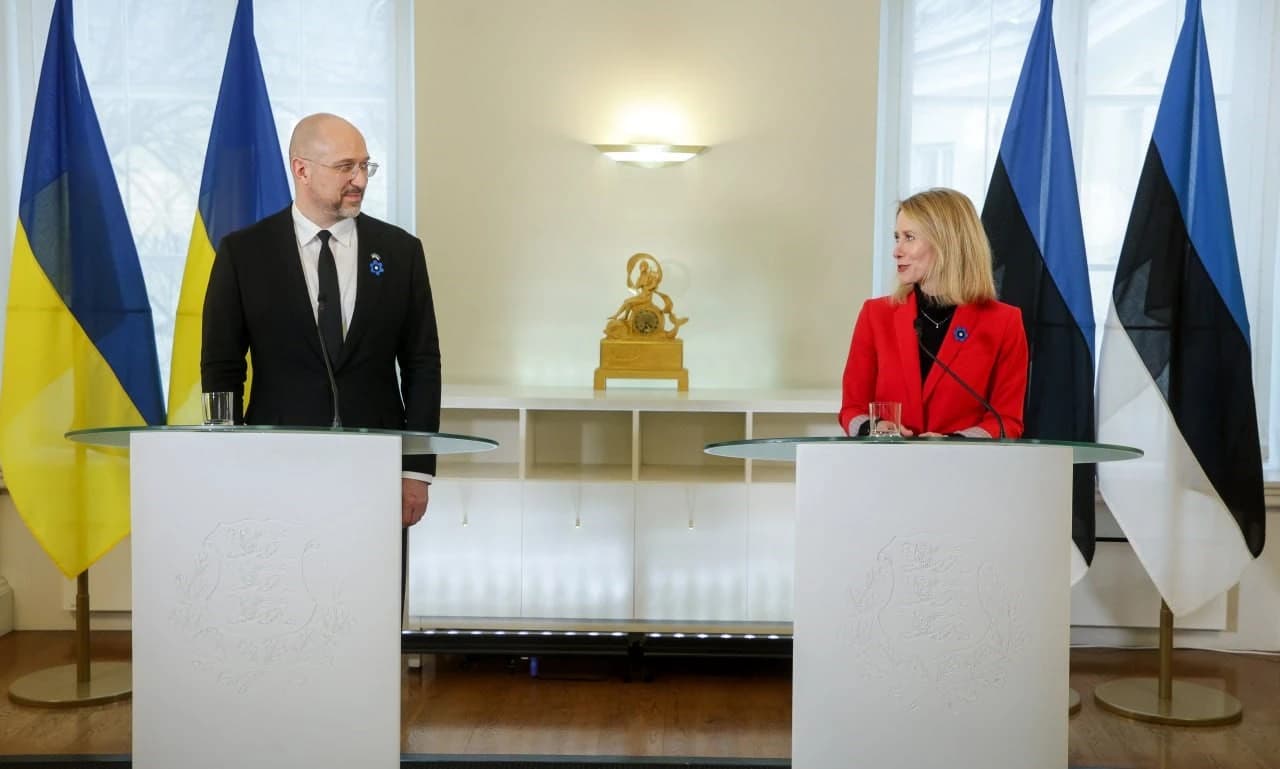
Ukraine is heading into a far larger financing and military gap than Europe has publicly committed to close, with President Volodymyr Zelensky saying Kyiv will need an additional 70 billion euros by 2027 as allies weigh how long they can sustain support for the war.
Ukraine Seeks 70 Billion Euros Through 2027
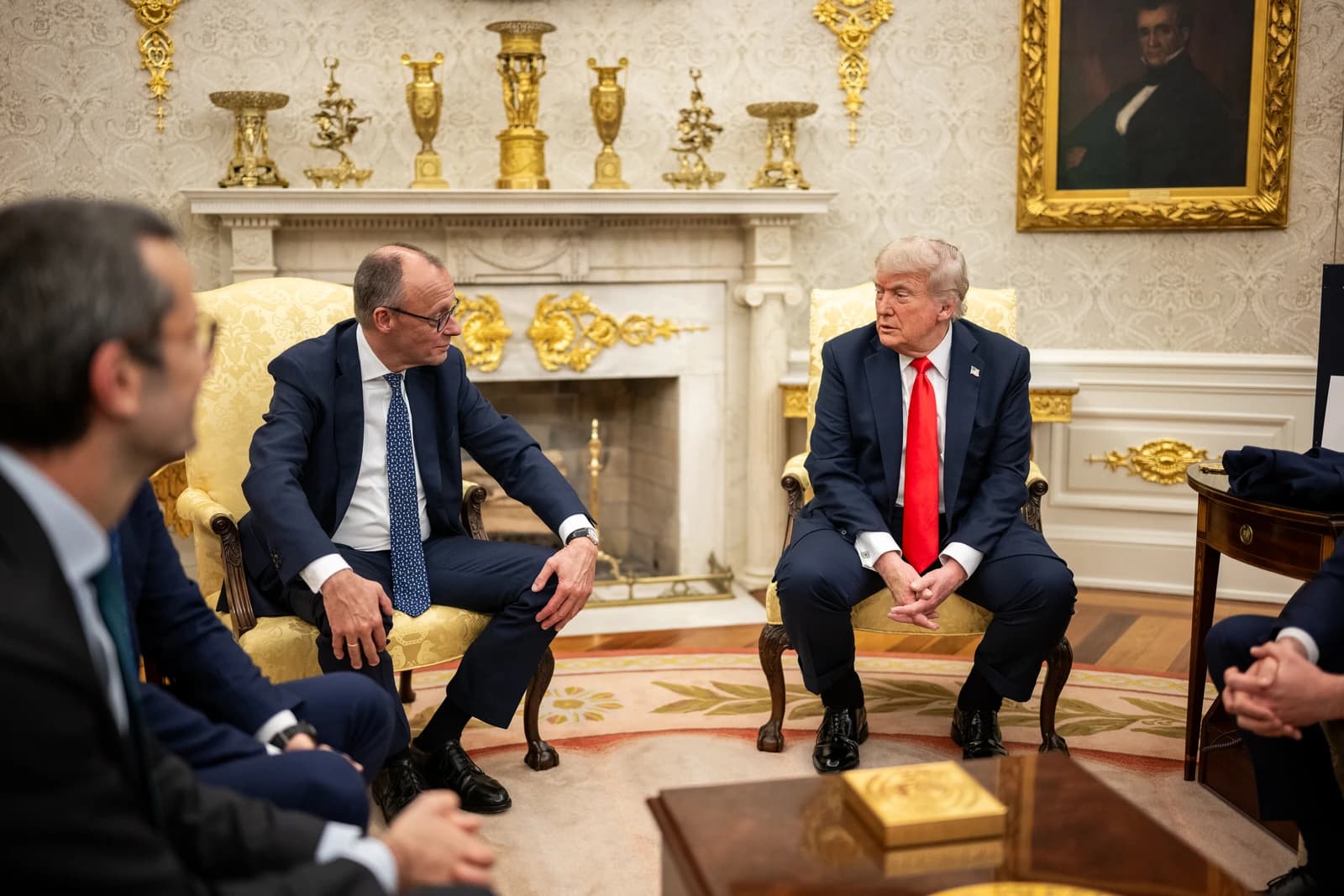
That warning matters because it puts a hard number on the cost of keeping Ukraine fighting while Russia’s invasion grinds on and Western backing remains politically fragile. Zelensky said he would discuss the issue with US President Donald Trump, underscoring that any medium-term funding solution still depends on Washington even as European capitals try to shoulder more of the burden.
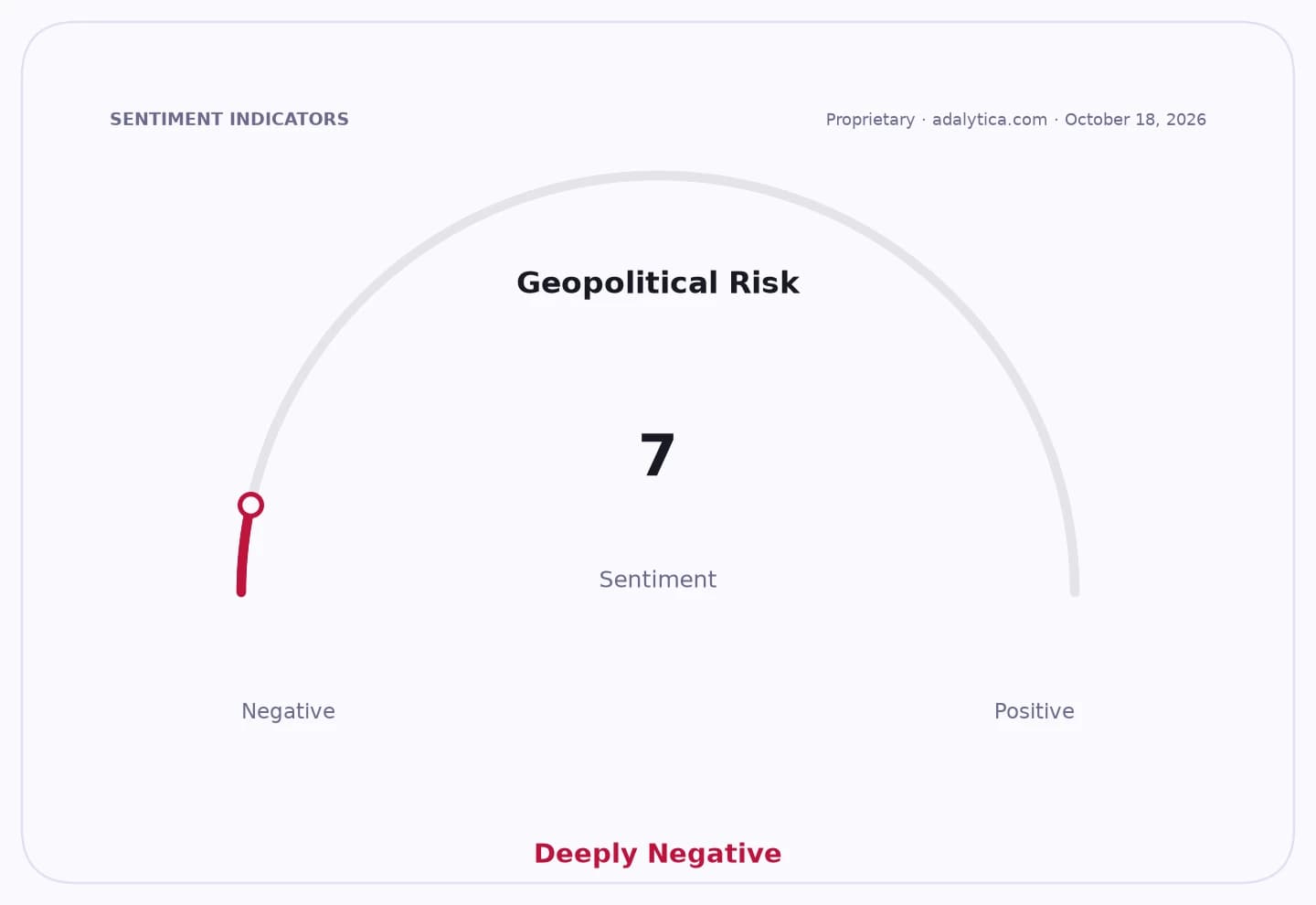
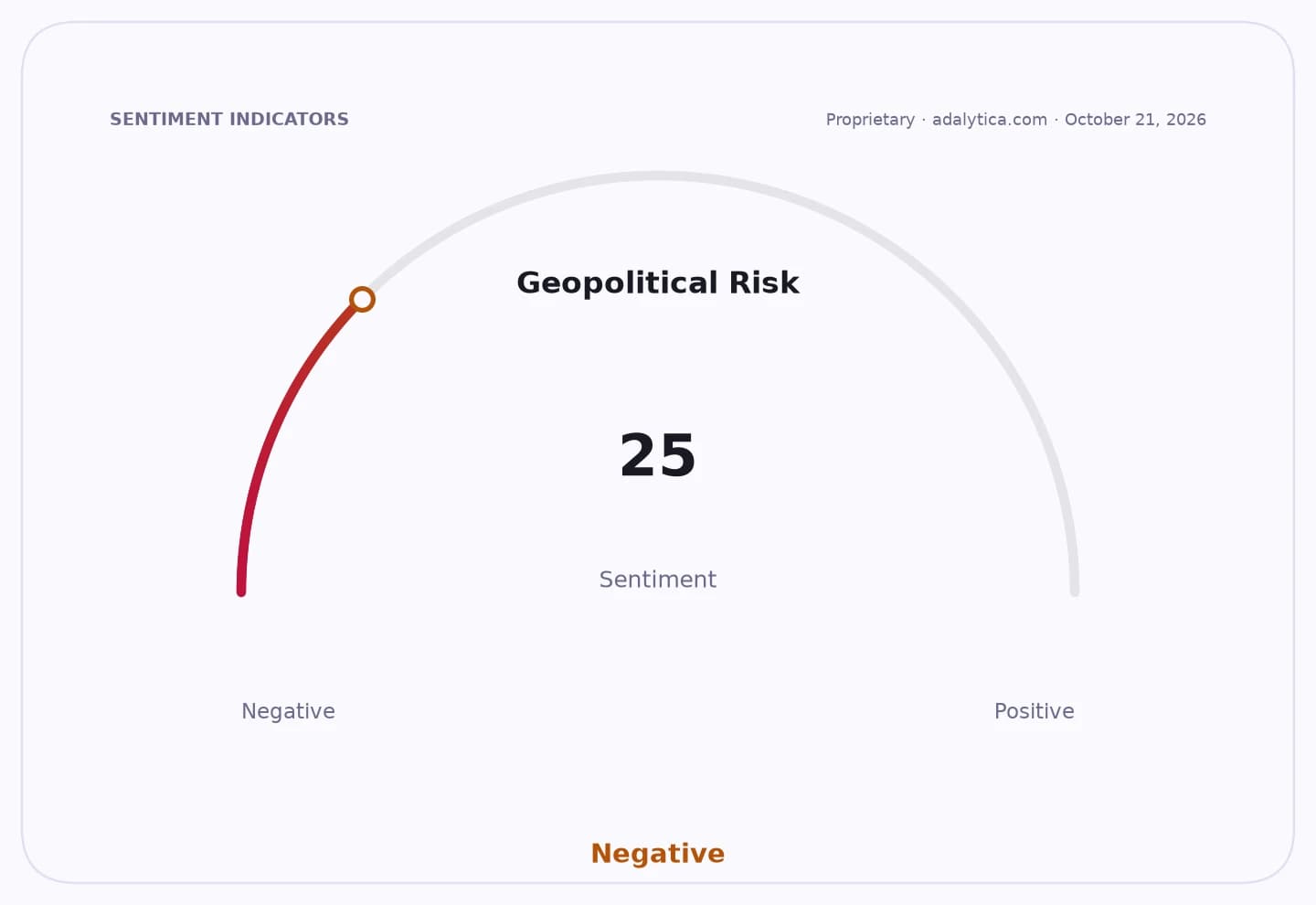
Sentiment IndicatorsⓘProprietary · adalytica.com · October 20, 2026
This is a snapshot — live sentiment, awareness and momentum for 130+ markets update continuously in the dashboard.Open AlphaPulse
German Chancellor Friedrich Merz’s backing for Ukrainian strikes on Russian energy infrastructure adds another layer to the story. Merz said the attacks were “right, understandable and justified,” effectively endorsing a tactic designed to disrupt Moscow’s ability to finance and sustain the war. That matters economically because energy assets are central to Russia’s fiscal revenue and export income, and any successful campaign against them can raise the cost of war for the Kremlin.
For investors, the immediate relevance is less about battlefield headlines than about the policy and market spillovers. A larger aid request points to continued pressure on European budgets, defense procurement and sovereign debt issuance, while also reinforcing support for defense contractors and suppliers tied to rearmament and air defense. The conflict’s trajectory also remains a factor for currencies and risk sentiment, with the euro, dollar and broader European assets sensitive to any shift in expectations around US involvement or a widening war economy.
The broader narrative is that the war is moving from emergency aid toward a longer, more expensive sustainment phase. Europe has already committed large sums, but Zelensky’s 70 billion-euro estimate suggests current funding is still not enough to cover the next stage of the conflict. If the US remains engaged, the market impact could be contained to defense and energy-security themes; if it wavers, the financing burden shifts more heavily onto Europe and raises the risk of policy friction inside the EU.
| Entity | Gains | Losses |
|---|---|---|
| Ukraine | ▲More pressure for sustained aid | ▼Funding gap to 2027 |
| Germany/EU | ▲Harder case for defense spending | ▼Larger fiscal burden |
| Defense contractors | ▲Higher procurement demand | ▼Budget uncertainty |
| Russia | ▲None if energy assets are hit | ▼Energy revenue risk |