The European Union will not allow Russia to use a bilateral deal with Washington to force Ukraine into a settlement, EU foreign policy chief Kaja Kallas said, sharpening the bloc’s message that any ceasefire or peace plan must include Europe and protect Kyiv.
EU Rejects Russia-US Deal on Ukraine Peace Talks
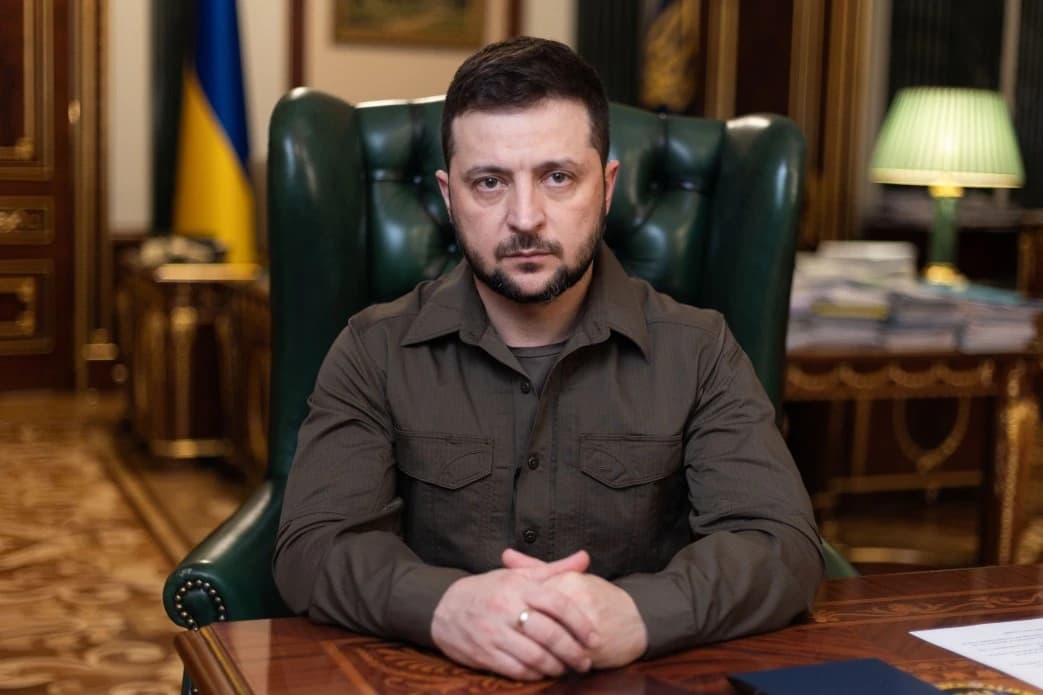
That matters economically because the war continues to shape Europe’s energy costs, defense spending and broader market risk appetite, while any perception of a negotiated thaw can ripple through oil, currencies and safe-haven assets. Kallas also said Moscow is still financing the war through oil and stepping up strikes on civilians and energy infrastructure, underscoring the risk that the conflict keeps feeding inflationary pressure into the winter.
Kallas told Euronews that Russia was wrong to think it could negotiate only with the United States and get what it wants, saying, “The message is that they have to speak with the Europeans.” She argued that pressure must stay on the aggressor rather than the victim and said Europe would continue backing Ukraine even if public support has softened after four years of war.
Her comments followed reports of a Trump-announced diesel arrangement and energy truce that Kallas dismissed as a gift to President Vladimir Putin, questioning what Russia had given in return. She said the battlefield reality has not changed: Russia keeps attacking Ukrainian infrastructure, while Kyiv says it will continue striking Russian refineries despite US pressure.
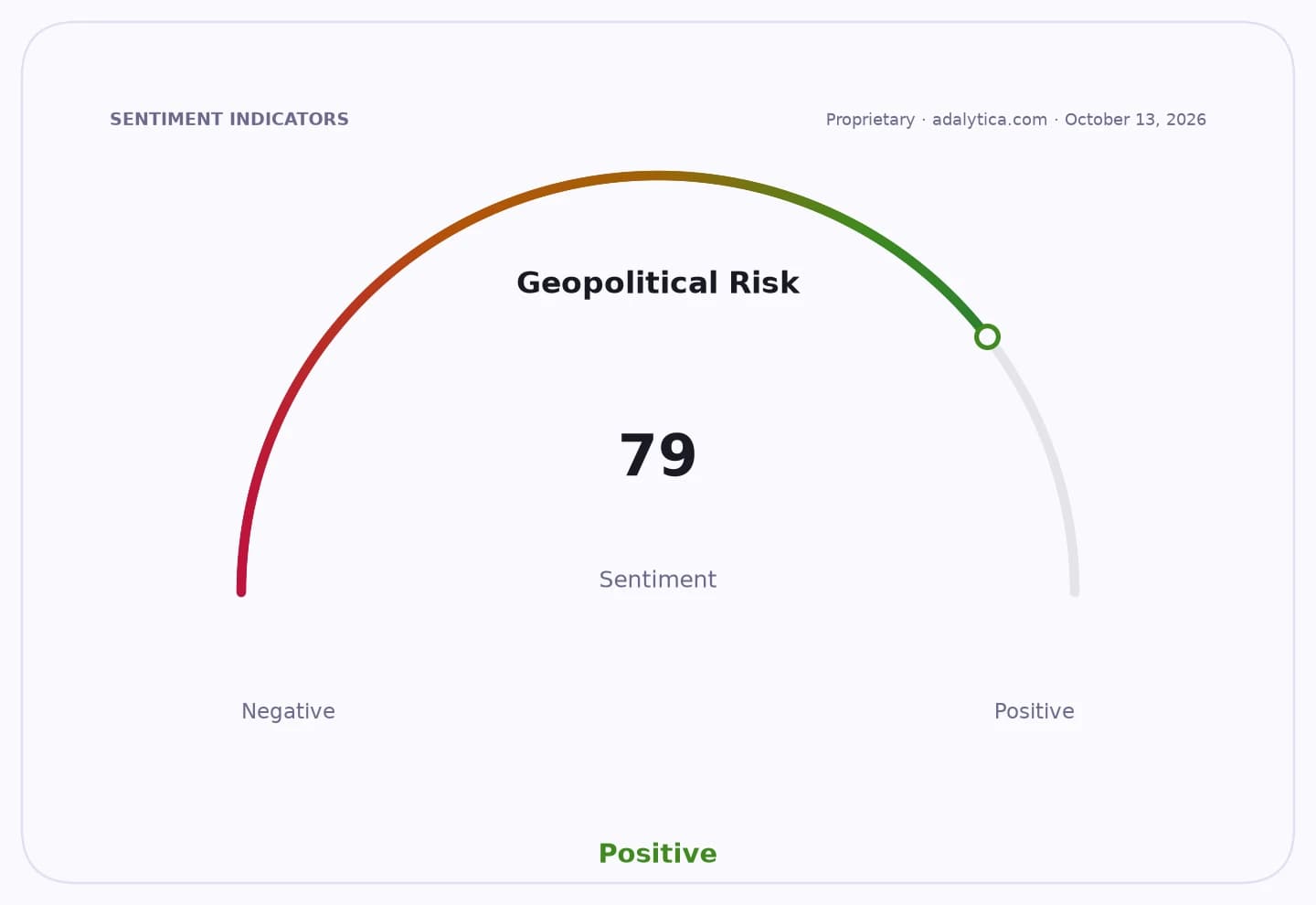
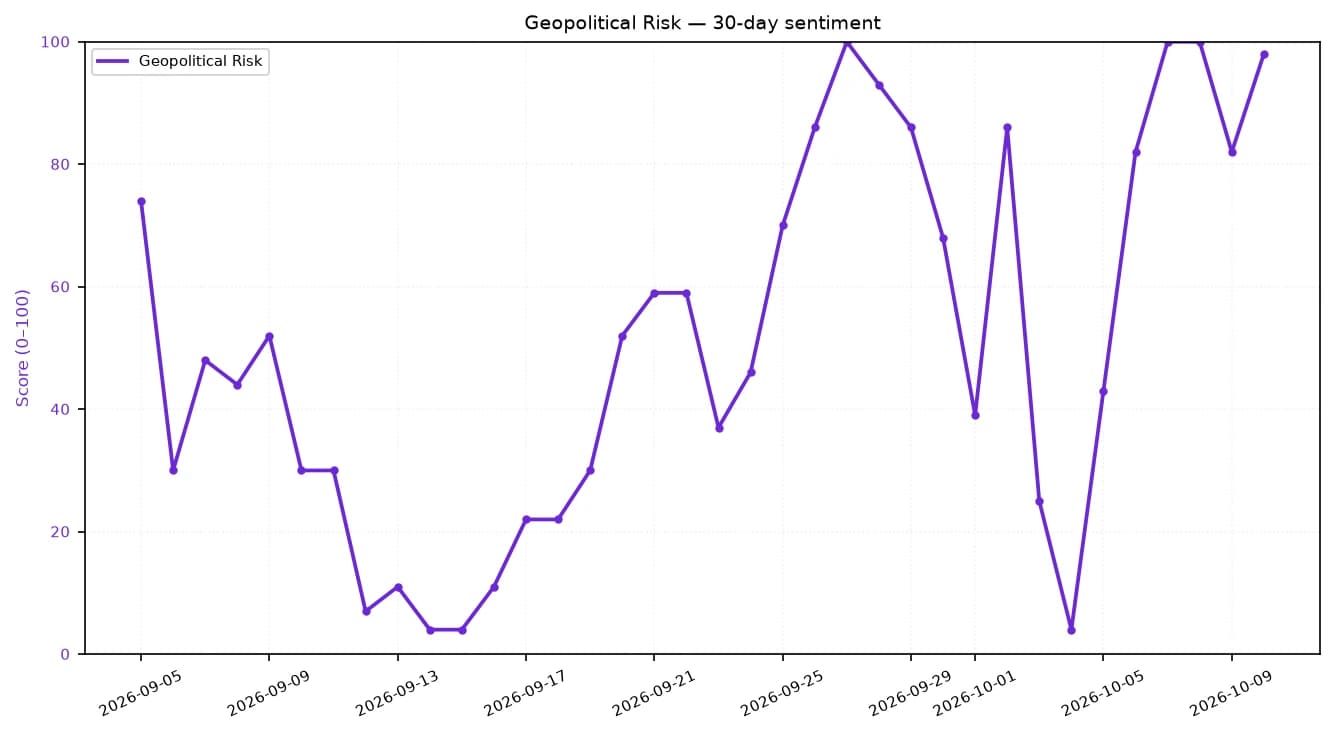
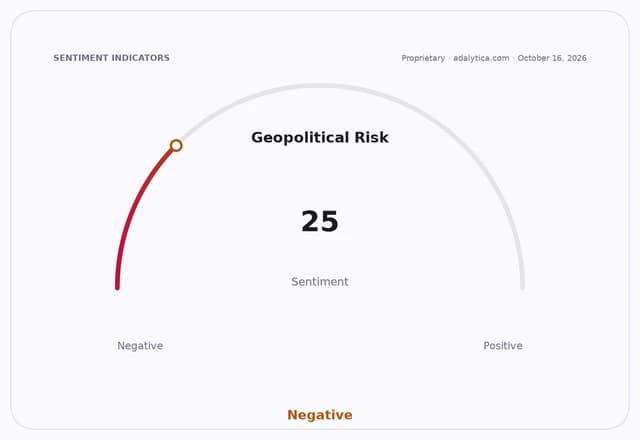
Geopolitical Risk — 30-day sentimentadalytica.com
Explore this data interactively — full history, time series and cross-market comparisons.Open AlphaPulse
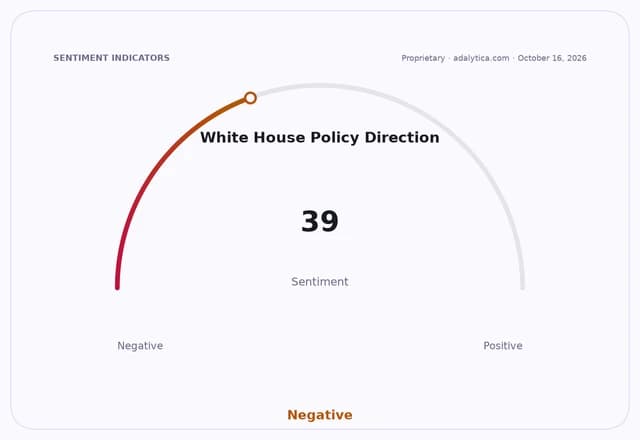
Investors are watching the war not just as a geopolitical story but as a pricing input for energy, defense and sovereign-risk assets. Higher crude has supported oil-linked markets, while sustained conflict keeps demand elevated for military contractors and underpins caution in European cyclicals exposed to energy and growth shocks.
Technical readings also show how quickly risk assets have been reacting to headlines. US oil fund USO closed at $161.76 on Oct. 16, up from $153.56 two sessions earlier, with its 50-day moving average at $142.68 and RSI at 65, a sign of strong momentum. The iShares MSCI Germany ETF EWG edged up to $41.57, still below its 50-day average of $42.79, as Europe’s growth-sensitive assets remain vulnerable to any escalation or failed diplomacy.
The broader narrative is that Europe wants to avoid being sidelined in any US-Russia contact while Ukraine is trying to keep military pressure on Russia’s oil system. With winter approaching and elections looming in key EU states, the next catalyst is whether talks involving Washington, Moscow and Kyiv gain traction or whether the fighting and energy strikes intensify again.
| Entity | Gains | Losses |
|---|---|---|
| Ukraine | ▲Continued EU backing | ▼Pressure to accept unfavorable terms |
| European Union | ▲Role in peace talks | ▼Risk of energy and security spillovers |
| Russia | ▲Time if diplomacy delays sanctions pressure | ▼Wider coalition support for Kyiv |
| Oil-linked assets | ▲Higher prices and flows | ▼Consumers and importers |