Poland could soon move toward a more flexible work code as a foundation presses parliament to let employees split up to three days of annual leave into hourly blocks, a change that would ease short absences for doctor visits, errands and family duties without increasing total vacation time.
Poland leave reform could allow hourly vacation blocks

The proposal matters because it targets a real friction point in modern labor markets: workers often need only a few hours away from work, but current rules generally force them to burn a full day of leave. For employees, that is an inefficient use of a finite benefit. For employers, it can also create informal workarounds, ad hoc approvals and avoidable scheduling noise. In a tight labor environment, small fixes to time-off rules can have outsized effects on morale, retention and day-to-day productivity.
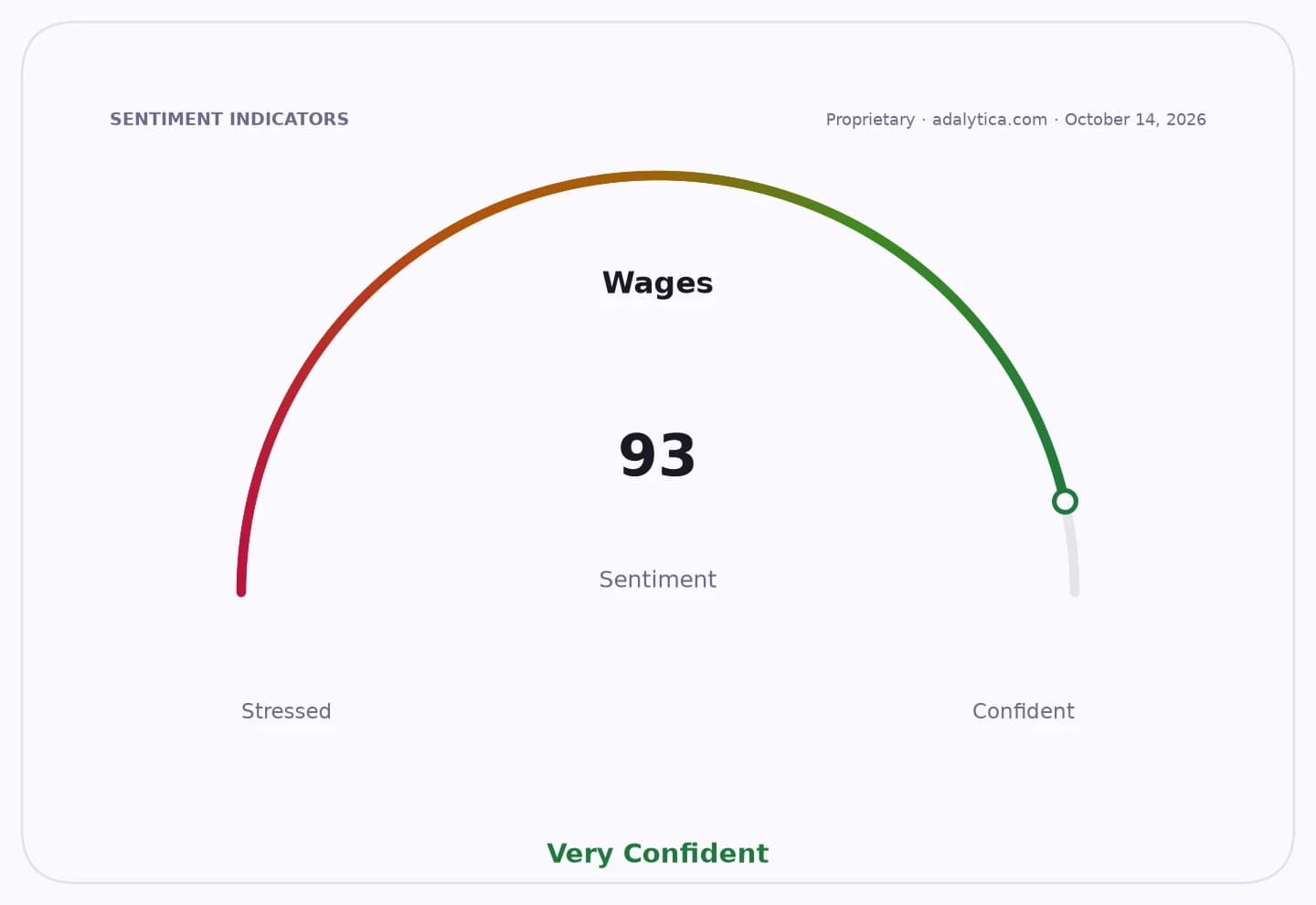
Sentiment IndicatorsⓘProprietary · adalytica.com · October 20, 2026
This is a snapshot — live sentiment, awareness and momentum for 130+ markets update continuously in the dashboard.Open AlphaPulse
Supporters argue the change would better match how people actually live and work. The foundation behind the petition says the labor code should recognize that a medical appointment, administrative task or child-related obligation rarely consumes an entire day. It proposes a ceiling of two or three days a year, with the employer’s consent, to limit abuse while preserving the core purpose of vacation as uninterrupted rest. Lawyers quoted in the source say the idea is legally feasible because Polish payroll and HR systems already handle hourly leave at the tail end of a vacation balance.
That is the investable and economic point: labor rules are becoming more granular, not less. Across Europe, governments are trying to make employment frameworks more adaptable as workers demand flexibility and firms fight to preserve continuity. Poland’s broader labor debate already includes a push for equal pay for equal work and a tougher stance on workplace compliance, underscoring how regulation is being pulled in two directions at once — greater worker protection, but also more practical flexibility.
For investors, the immediate market impact is limited, but the second-order effects matter. More flexible leave rules can support labor participation, reduce friction in scheduling and make employers more competitive in attracting talent. They also tend to favor employers with better HR infrastructure, digital workforce management and payroll automation, because every new carve-out in labor law increases the value of systems that can track, approve and reconcile time off cleanly. That is where the real profit pool lives: not in the leave itself, but in the software and services that help companies administer it.
The caution is that flexibility only works if approvals are not routinely denied. If employers use the consent requirement to block most requests, the reform risks becoming symbolic rather than practical. But if lawmakers craft the change carefully, Poland could add a small but meaningful modernization to its labor code — one that aligns the law with how work is actually organized and gives employers and employees a more efficient way to handle the inevitable interruptions of daily life.
| Entity | Gains | Losses |
|---|---|---|
| Employees | ▲More flexible time off | ▼Less unused vacation time |
| Employers | ▲Better scheduling control | ▼More HR admin requests |
| HR/payroll software vendors | ▲Higher demand for automation | ▼Minimal downside if systems lag |
| Traditional leave rigidity | ▲Less friction in workplace rules | ▼Reduced relevance |