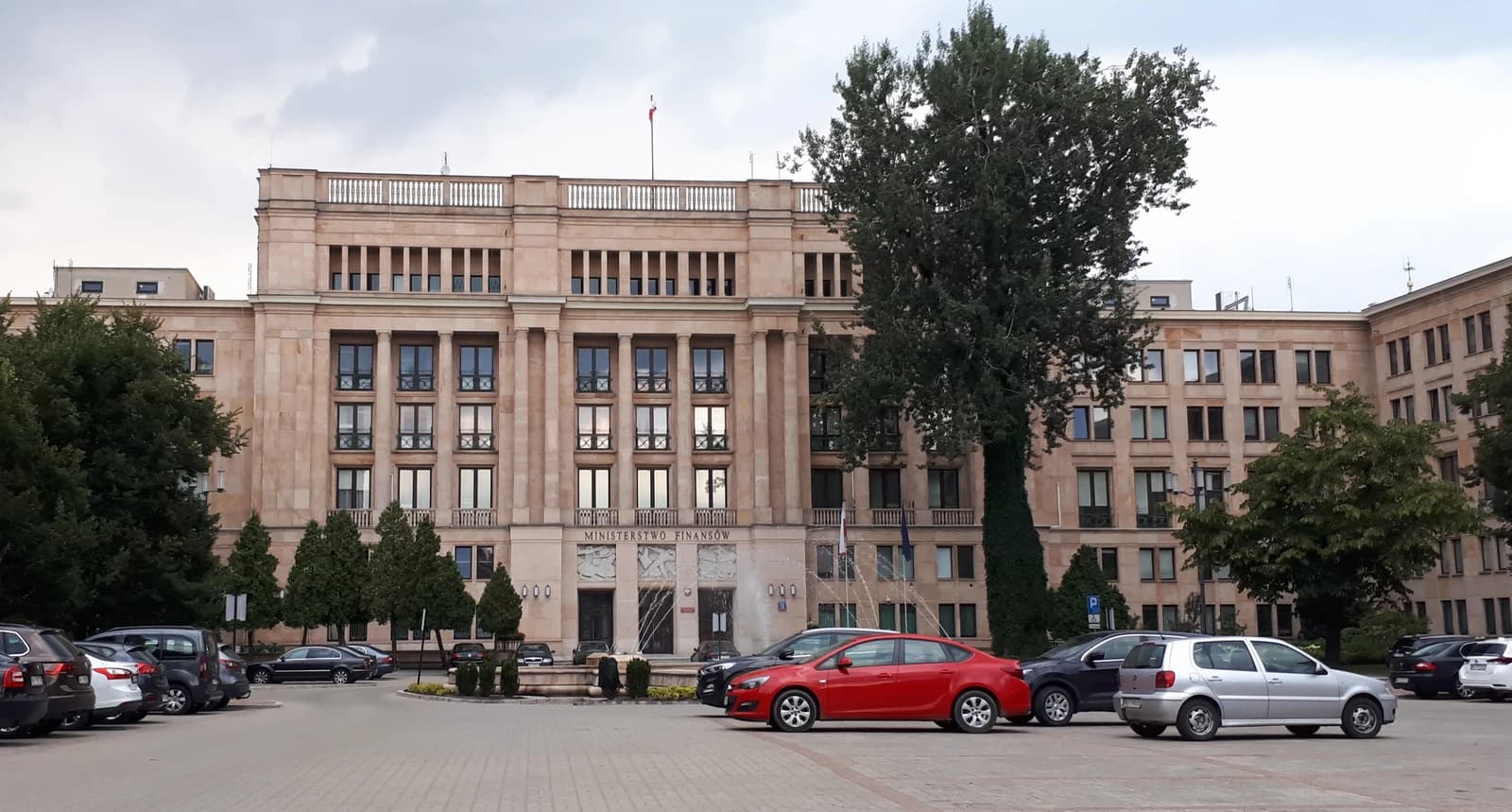
Poland is preparing to sharply raise the amount of money foreign visitors must prove they have to enter the country, a move that will make short stays, study trips and some work-related visits more expensive and could slow marginal travel demand even as the broader economy adjusts to higher living costs.
Poland Raises Proof-of-Funds Rules for Visitors
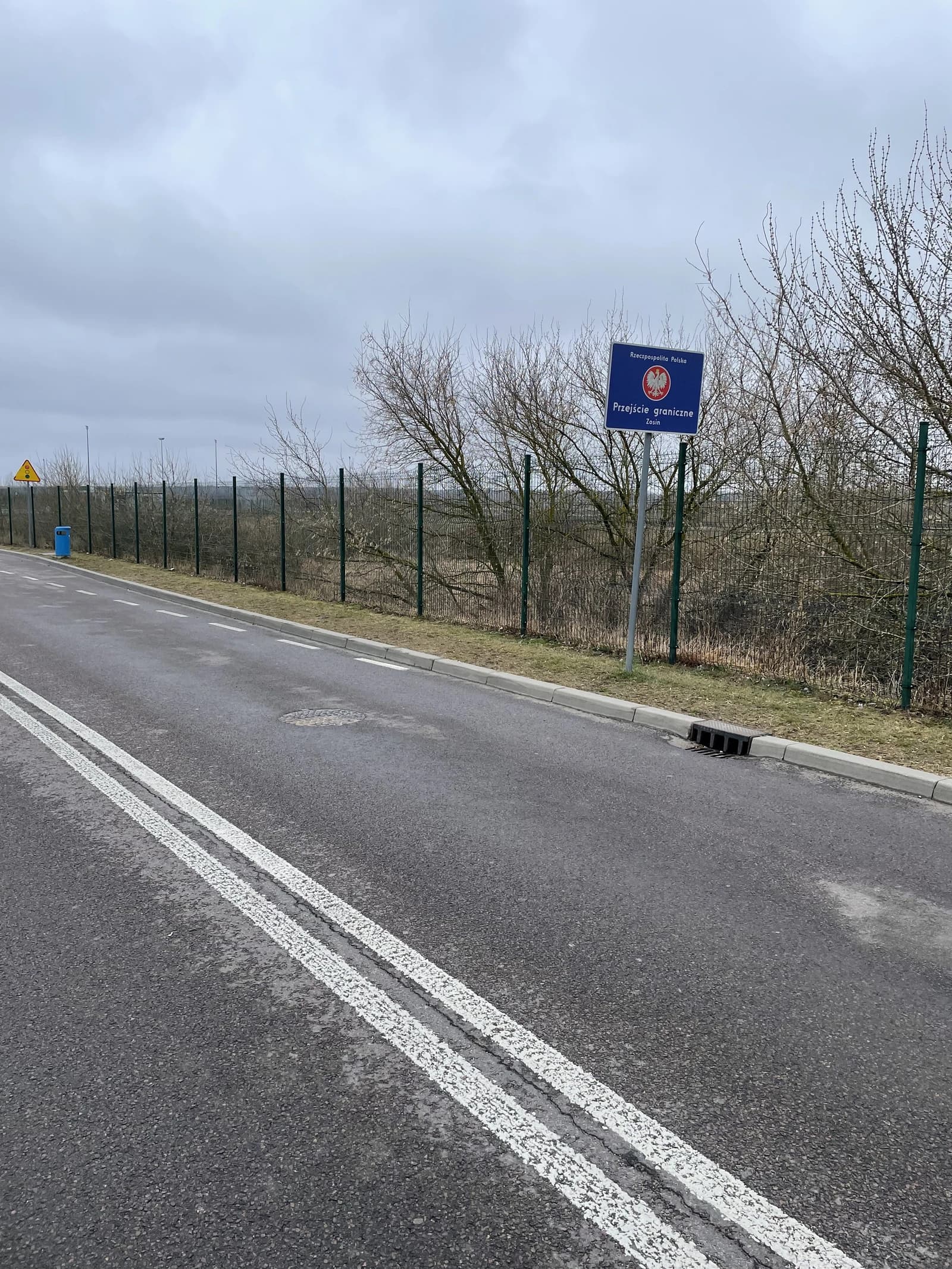
The proposed rules, published by the Interior Ministry, would lift the minimum cash requirement for a visit of up to four days to 1,000 zlotys from 300 zlotys. For longer stays, the daily threshold would rise to 300 zlotys from 75 zlotys. Students, researchers and people arriving for training or development work would also face a higher bar, with the first two months of a stay requiring 2,020 zlotys rather than 1,270 zlotys.
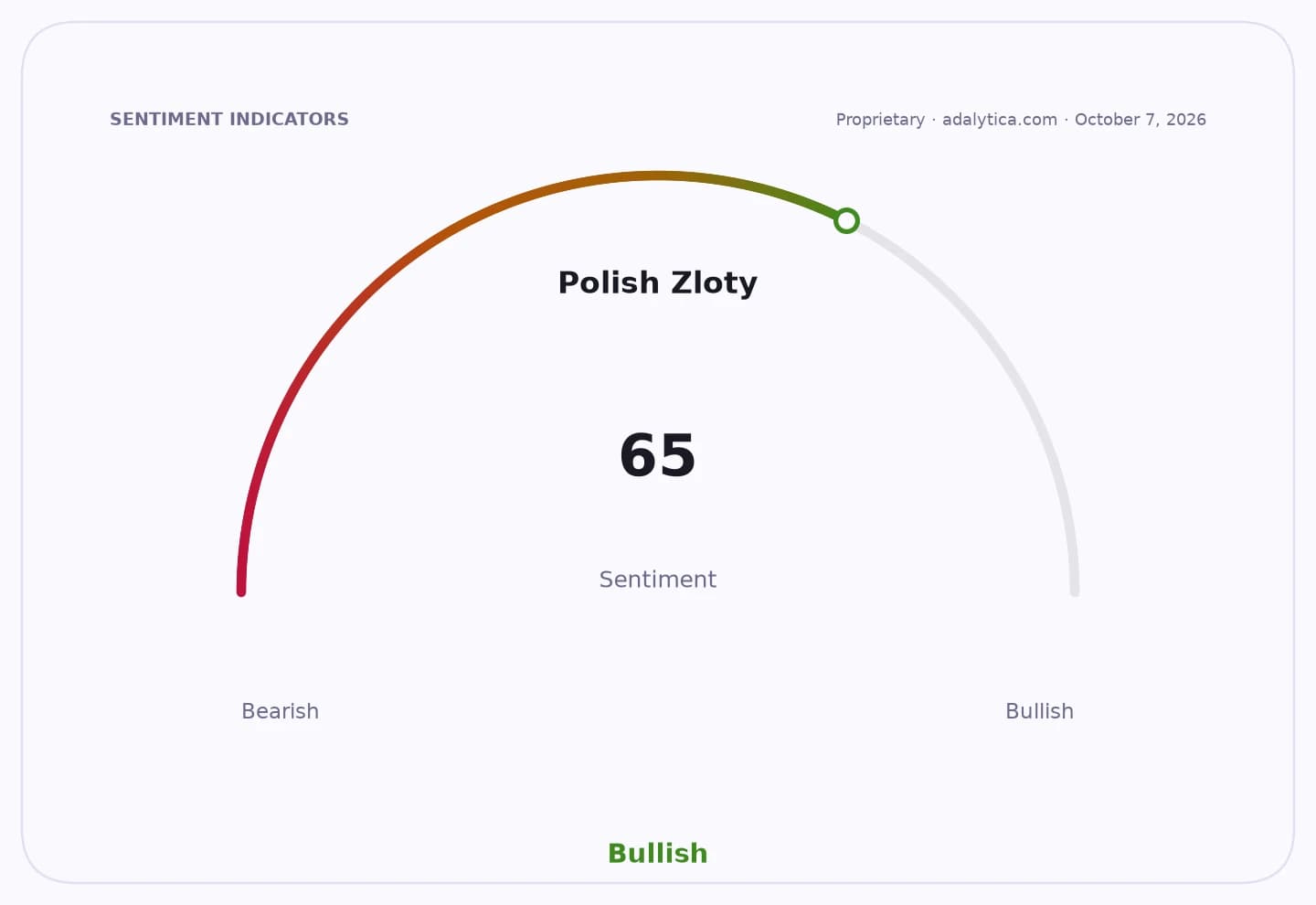
Sentiment IndicatorsⓘProprietary · adalytica.com · October 20, 2026
This is a snapshot — live sentiment, awareness and momentum for 130+ markets update continuously in the dashboard.Open AlphaPulse
That matters economically because these requirements are not just bureaucratic fine print. They are part of Poland’s border and migration framework, and they effectively set the cost of entry for tourists, students and temporary workers. By linking the thresholds to current price levels and social-assistance standards, Warsaw is signaling that it wants foreign arrivals to arrive with a larger financial buffer, reducing the risk that newcomers will rely on public support or become stranded without funds.
For investors, the immediate relevance is smaller than a rate decision or budget vote, but the direction is clear: Poland is leaning toward tighter entry conditions at a time when migration remains politically sensitive across Central Europe. That can matter for airlines, hotels, education providers and service businesses that depend on cross-border traffic, especially if stricter rules dampen discretionary travel or make Poland less attractive for lower-budget visitors and students.
The government says the current limits, unchanged since 2016, have been eroded by inflation. That is a fair point. Prices have climbed, and the old thresholds no longer reflect the real cost of living. In that sense, the change looks less like a dramatic policy shift than a catch-up adjustment. But the increase is still substantial: the short-stay requirement would more than triple, and the special rate for organized tours, youth camps and sports trips would rise to 130 zlotys a day from 20 zlotys, with a minimum of 650 zlotys for the trip.
There is also a broader political backdrop. Poland has taken a harder line on migration and border control, and this proposal fits that narrative. Even if the rule is eventually adopted without major changes, it reinforces the idea that Warsaw intends to keep tighter control over who enters and under what conditions.
For long-term investors, the key takeaway is simple: the policy is another reminder that Poland’s consumer-facing sectors and cross-border activity will continue to operate in a more regulated and politically charged environment. It is worth watching for any impact on tourism, education and seasonal labor, but this is not a thesis-changing event for the Polish market. More likely, it is a small headwind for lower-income visitors and a sign that the government is still prioritizing border discipline over ease of access.
| Entity | Gains | Losses |
|---|---|---|
| Polish government | ▲tighter border control | ▼lower-entry visibility |
| Foreign visitors | ▲clearer rules | ▼higher upfront costs |
| Tourism and education providers | ▲policy certainty | ▼some demand pressure |
| Domestic taxpayers | ▲less fiscal risk | ▼fewer low-cost arrivals |