Poland’s rate outlook is turning from a pause story into a household-cost story, with markets now betting the National Bank of Poland will eventually deliver as many as four quarter-point increases by the end of 2027.
Poland rate outlook shifts as inflation rises
That matters because higher borrowing costs would ripple far beyond monetary policy meetings in Warsaw. For families, it means a bigger monthly mortgage bill. For the economy, it means tighter financial conditions just as inflation has moved back above the central bank’s target band. For investors, it raises the odds of a stronger zloty, a more cautious consumer and a different backdrop for Polish assets, from bank shares to housing-related stocks.
The immediate trigger is inflation. Consumer prices rose 4% year on year in September and 0.7% from August, pushing inflation above the NBP’s tolerance range for the first time since June 2025. Economists cited higher fuel, energy and food prices as the main reasons pressure is building again, even with temporary tax relief on fuel still in place through the end of the year.
For now, the central bank is expected to keep rates unchanged at its two-day meeting beginning Tuesday, with a decision due Wednesday. But economists quoted in the Polish press say the first hike could come in November, when the bank updates its inflation projections, followed by additional moves in early 2027. The market’s broader bet is four 25-basis-point hikes, which would lift the policy rate from 3.75% today.
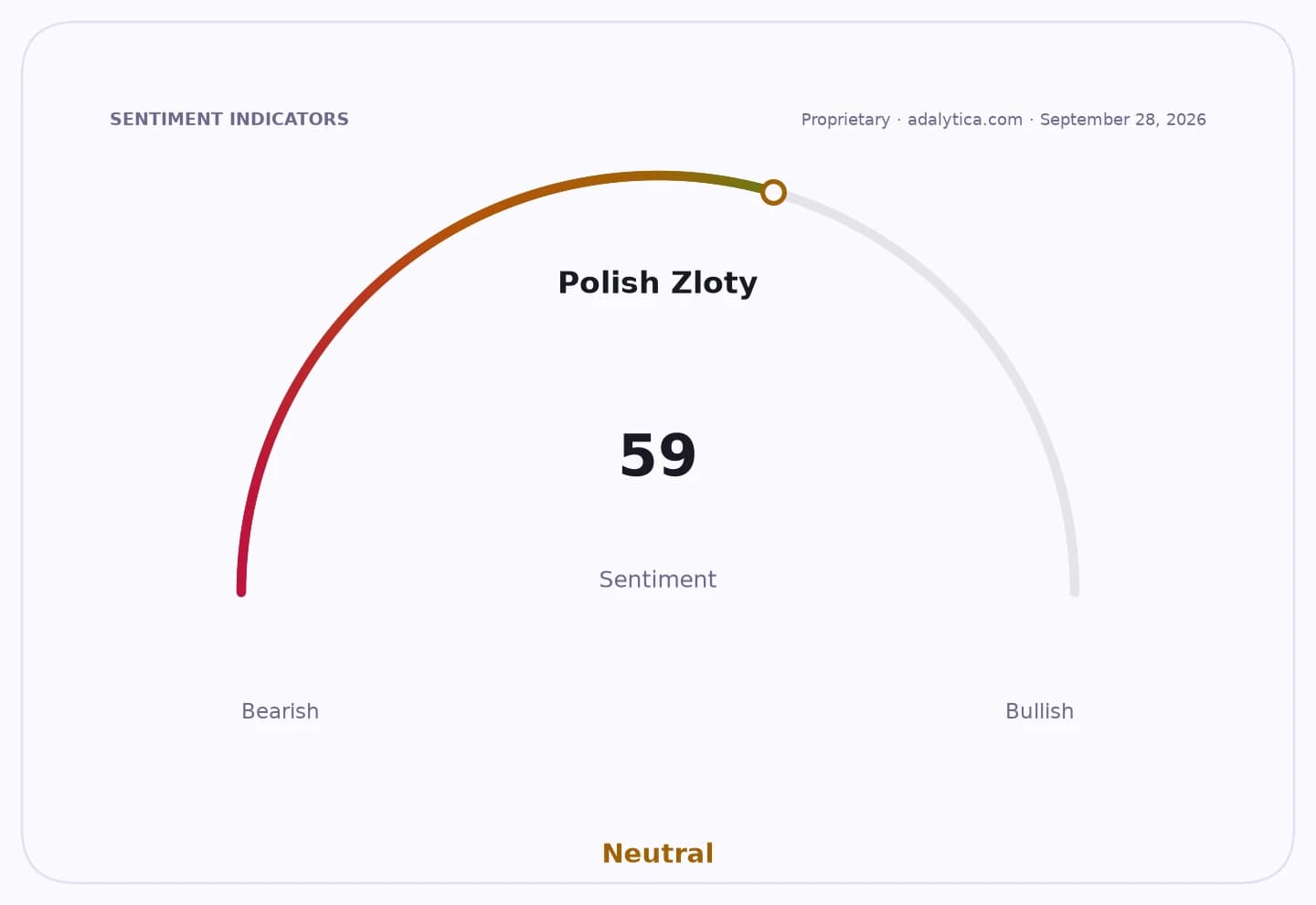
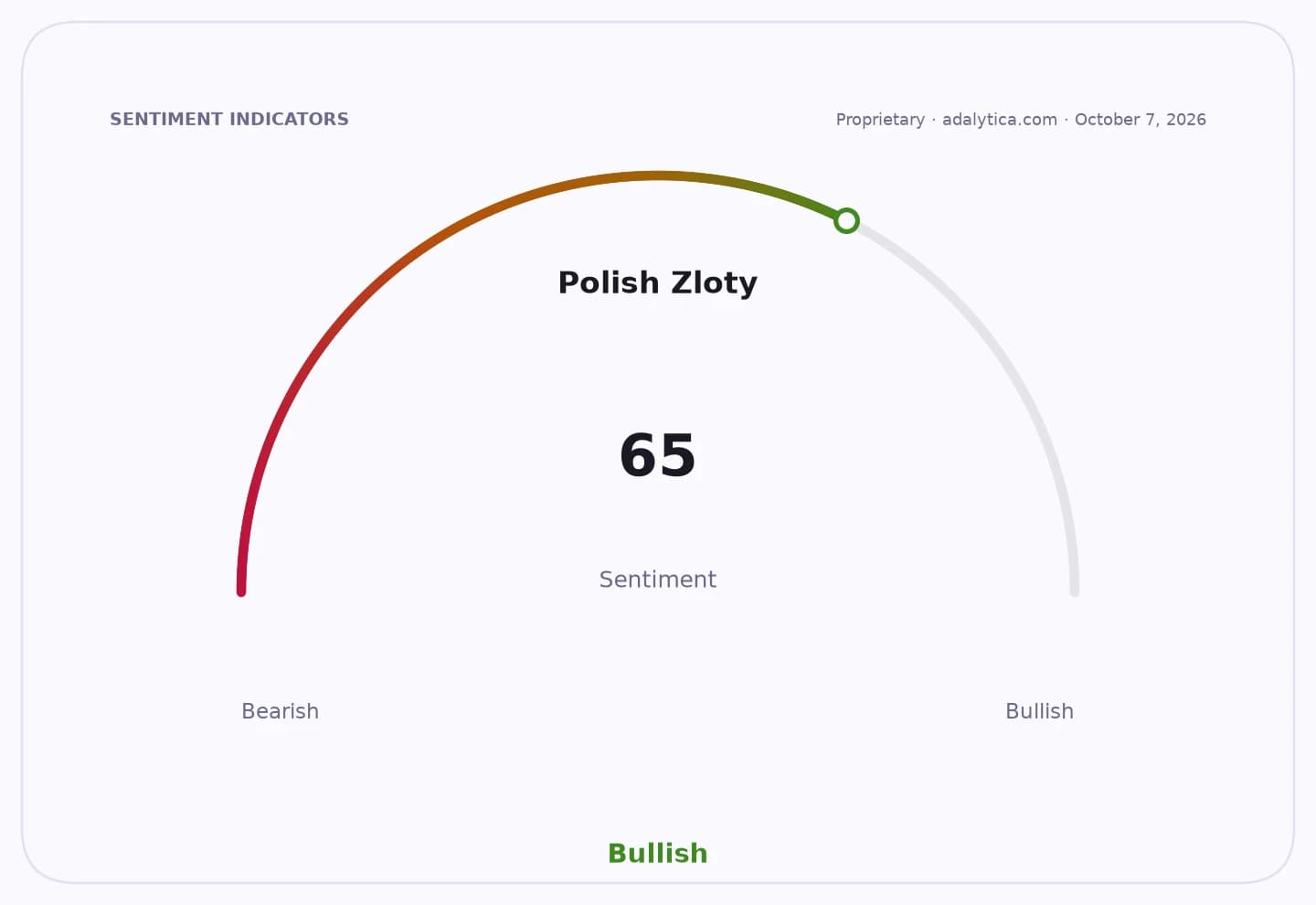
Polish Zloty — 30-day sentimentadalytica.com
Explore this data interactively — full history, time series and cross-market comparisons.Open AlphaPulse
That is not an abstract move for borrowers. On a 400,000-zloty mortgage over 25 years, the monthly installment could climb from 2,538 zlotys to 2,807 zlotys after those increases, according to one market estimate. That kind of jump may not be catastrophic for every household, but in a country where housing affordability has already been stretched, it is enough to affect spending decisions and sentiment.
Investors should also pay attention to the currency. The zloty has been firming, and the technical picture shows it trading near the upper end of its recent range, with the dollar-zloty pair around 3.89 to 3.90 and its 50-day moving average below spot. Using standard indicators, momentum has been stretched at times, which suggests the market is already pricing in a more hawkish NBP path. If the central bank follows through, that could support the currency further, but it may also weigh on export margins over time.
The bigger narrative here is that Poland may be moving from an easy-money recovery phase into a more restrictive cycle shaped by persistent inflation. That is typically good for savers and currency holders, less friendly to leveraged borrowers, and mixed for equities. Banks may benefit from wider lending spreads, while rate-sensitive sectors such as property and consumer discretionary names could face pressure.
For long-term investors, the key is not to chase every move in policy expectations, but to understand what a sustained rate cycle means for earnings, credit quality and household demand. Poland still offers a resilient economy and a sizeable domestic market, but higher rates would be a reminder that inflation can return quickly — and that the cost of money still matters. Worth watching closely, especially if you own Polish banks, retailers or housing-related assets.
| Entity | Gains | Losses |
|---|---|---|
| NBP / policymakers | ▲inflation-fighting credibility | ▼housing demand |
| Banks | ▲wider lending spreads | ▼loan growth sensitivity |
| Savers / zloty holders | ▲higher yields, firmer currency | ▼mortgage borrowers |
| Homebuyers / consumers | ▲lower inflation only if hikes work | ▼higher monthly installments |