New homebuyers are being hit by a fresh affordability shock as the average 30-year fixed mortgage rate climbed above 7% for the first time in two years, pushing monthly payments higher just as housing inventory and price cuts are starting to build.
U.S. mortgage rates rise above 7%
That matters because housing is one of the economy’s biggest interest-rate-sensitive sectors, and this move tightens the squeeze on a market already strained by elevated prices, limited supply and stubbornly high borrowing costs. NerdWallet said the average 30-year rate reached 7.16% on Tuesday, up from 7.03% a week earlier and 6.76% two weeks before that, while Reuters said it was the first time since the first week of Donald Trump’s first term that mortgage rates were above 7%.
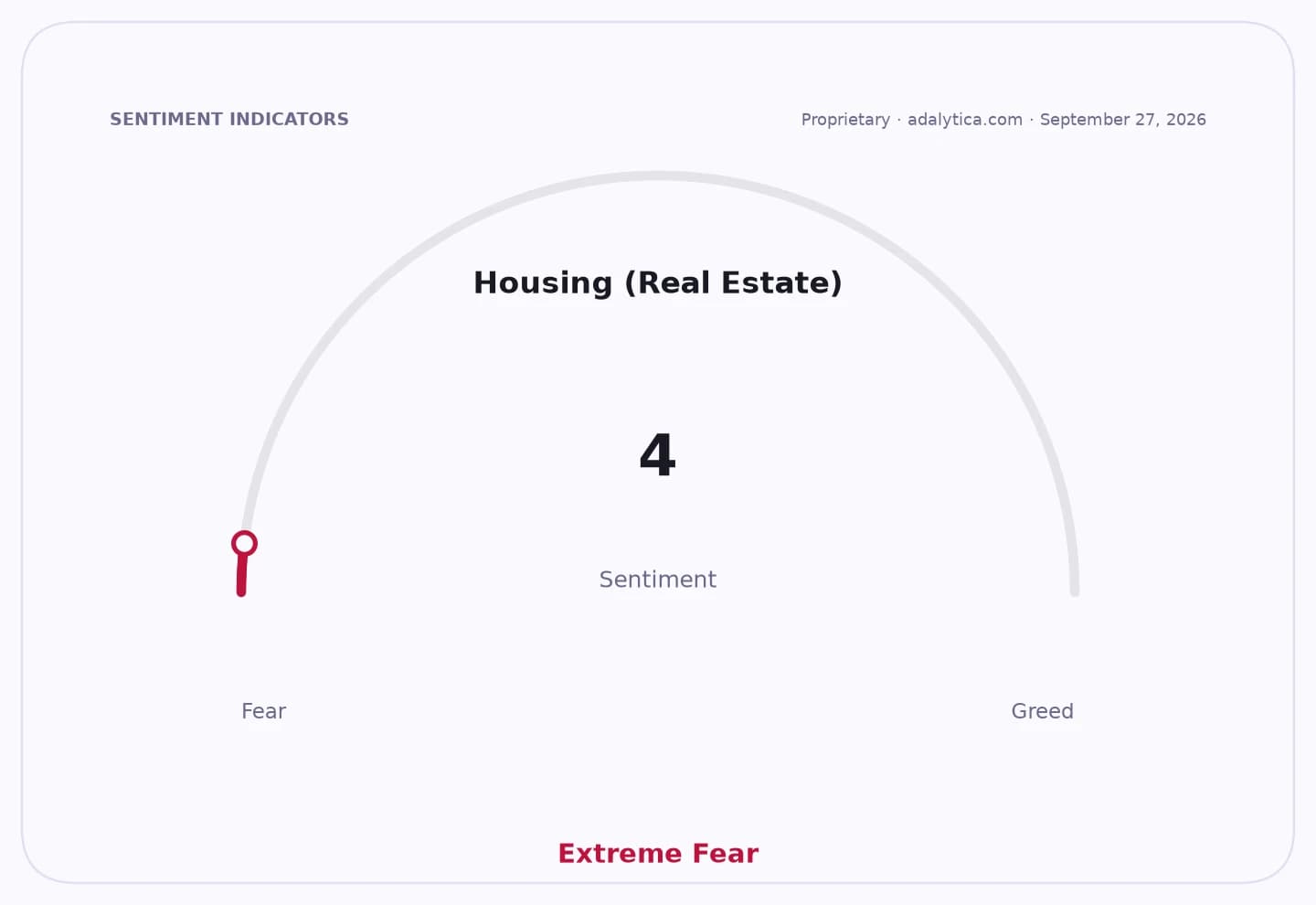
Sentiment IndicatorsⓘProprietary · adalytica.com · September 28, 2026
This is a snapshot — live sentiment, awareness and momentum for 130+ markets update continuously in the dashboard.Open AlphaPulse
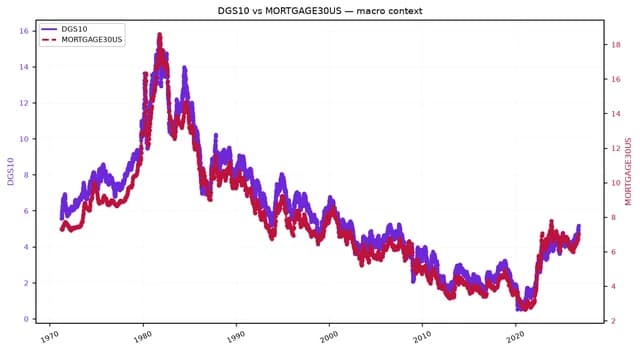
The jump is not happening in isolation. The Federal Reserve raised its benchmark rate last week to fight inflation, and yields on 10-year Treasuries, which help underpin mortgage pricing, are hovering near their highest levels in two decades. Mortgage rates have risen more than a full percentage point since U.S.-Israeli strikes against Iran in late February sent oil prices higher, feeding another leg of inflation pressure through gasoline and transportation costs.
For investors, the message is clear: the housing recovery is still being throttled by financing costs, not demand alone. Freddie Mac chief economist Sam Khater said purchase demand has remained relatively stable, suggesting buyers are adapting, but that resilience is being tested by the math of the monthly payment. Zillow now expects U.S. home sales to fall 3.5% in the fourth quarter of 2026, even as inventory grows just over 10% year over year, a setup it says should bring more price cuts and negotiating leverage for buyers.
That combination is important for the market’s next trade. Builders and mortgage lenders may still see pockets of activity, but the rate move keeps pressure on transaction volumes and on the affordability-sensitive end of the consumer economy. Homebuilder ETFs such as XHB and ITB have already been volatile, reflecting a market that is quick to price in better housing demand and even quicker to unwind it when financing costs rise. Long-duration Treasury exposure, meanwhile, remains central to the housing outlook, with TLT still under pressure as yields stay elevated.
There are still winners in a higher-rate world. Renters gain relative flexibility, and sellers who price aggressively may move inventory faster. But the losers are obvious: first-time buyers, mortgage originators, and homebuilders that depend on steady transaction volumes and incentives to keep communities moving. Public builders have already been leaning on price cuts, closing-cost help and mortgage buydowns to clear homes, and a 7%-plus mortgage rate makes those promotions more necessary, not less.
The bigger narrative is that housing has entered a protracted reset, not a quick rebound. If rates stay near current levels, the market is likely to keep favoring cash-rich buyers, disciplined builders and rental alternatives over stretched households waiting for a return to cheap money. For investors, the opportunity is to position for an extended period of affordability pressure rather than a snapback: own the parts of housing that benefit from scarcity and caution, not the ones still priced for a mortgage-rate retreat that has yet to arrive.
| Entity | Gains | Losses |
|---|---|---|
| Renters | ▲More negotiating power | ▼Less urgency to buy |
| Homebuilders | ▲Incentive-driven sales | ▼Lower volumes, thinner margins |
| Mortgage lenders | ▲Refi and purchase demand pockets | ▼Affordability-driven slowdown |
| First-time buyers | ▲Waiting can preserve cash | ▼Higher monthly payments |