Donald Tusk is using Poland’s hard line on migration to push a broader shift in Brussels: more border enforcement, faster deportations and less room for EU-wide burden-sharing that governments in Warsaw now see as politically and fiscally toxic.
Poland Pushes EU Toward Tougher Migration Policy
That stance matters because migration has moved from a humanitarian issue to a core test of political legitimacy in Europe. For investors, the policy mix affects the region’s labor supply, domestic politics, fiscal priorities and the stability of the single market at a time when governments are already balancing defence spending, energy security and sluggish growth.
Sentiment IndicatorsⓘProprietary · adalytica.com · October 22, 2026
This is a snapshot — live sentiment, awareness and momentum for 130+ markets update continuously in the dashboard.Open AlphaPulse
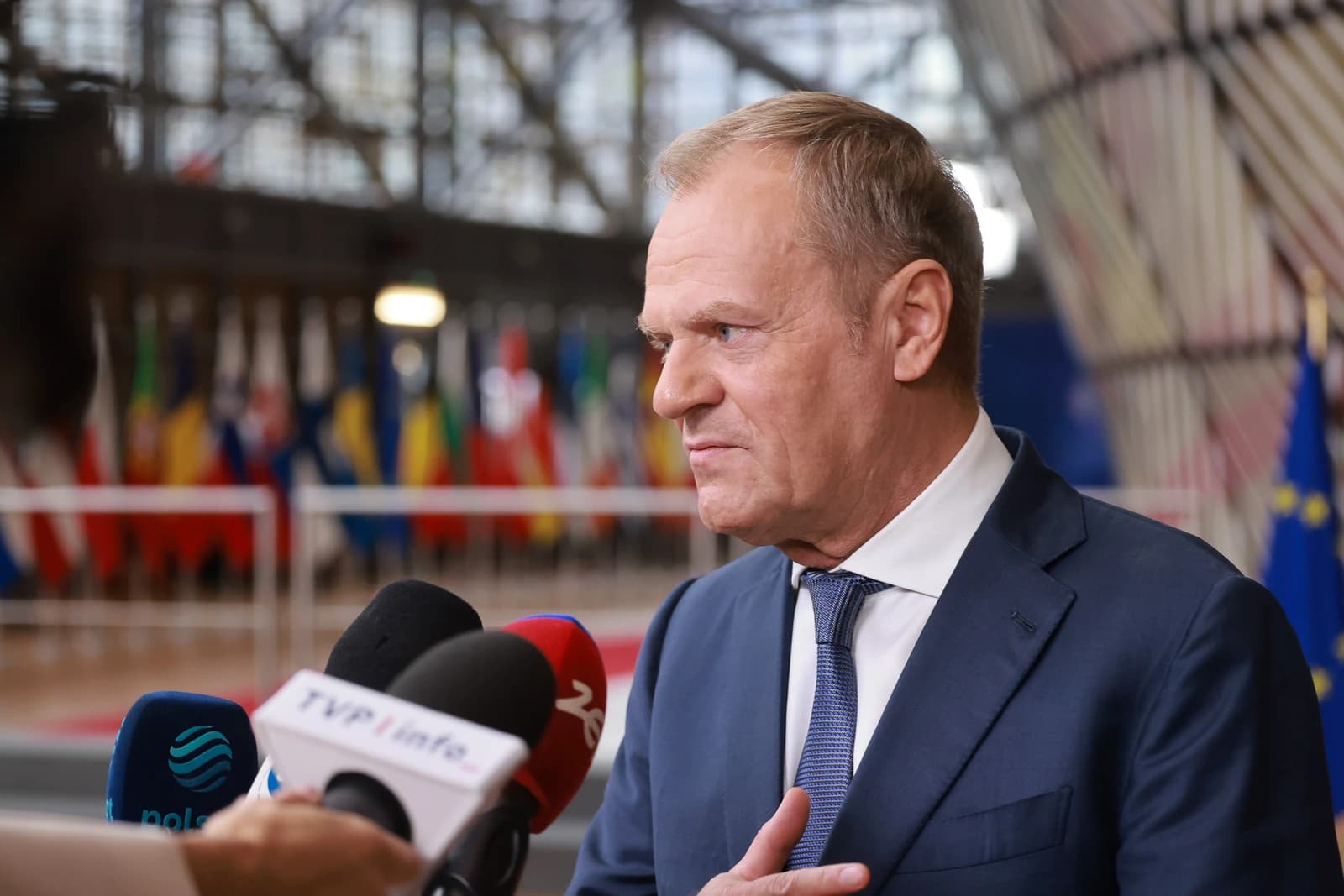
Tusk said Poland would not “pay for the mistakes of other countries” and vowed to defend the border against illegal migration, maintain its own asylum policy and deport those who break Polish law. The message, delivered after the Brussels summit, aligned Warsaw more closely with Denmark and Italy, two governments pressing hardest for tighter external border controls and a tougher EU line on returns.
The timing is important. Europe’s migration debate has intensified after a surge in pressure on Spain’s North African enclave earlier this year, reviving calls for stronger external border management and quicker removals. European Commission President Ursula von der Leyen has also backed a firmer approach, saying dangerous border crossings must stop and smuggling networks be dismantled.
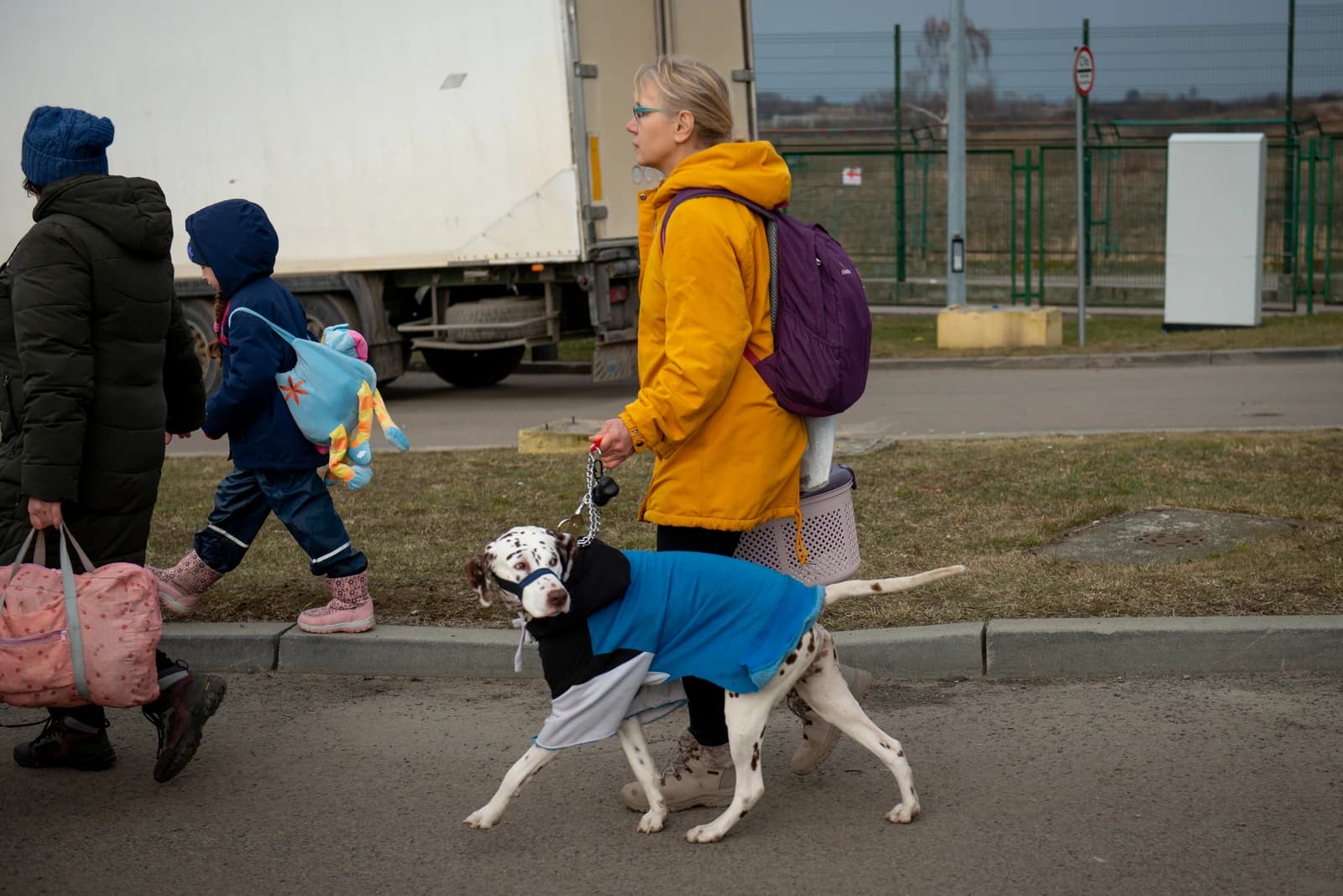
For Poland, the politics are especially sensitive. The country sits on the EU’s eastern frontier and has spent heavily on border security since Russia’s invasion of Ukraine and the weaponisation of migration pressures along its border with Belarus. Tusk’s message signals that Warsaw will keep treating border control as a national security issue rather than a shared European burden.
The economic angle is less immediate but still material. A stricter migration regime can ease pressure on public services and blunt domestic political backlash, yet it also risks tightening labor markets in economies that already depend on foreign workers. Across the EU, the harder line may support parties that favour security-first policies, but it could also deepen tensions between member states that want solidarity payments and those that refuse to absorb more arrivals.
Markets have been largely insulated from the latest rhetoric, but the policy direction is relevant for currencies and regional assets through the lens of political risk. The euro’s broad trading signals remain neutral, according to Adalytica’s Euro Trade Signals gauge, while global stability sentiment has swung sharply, underscoring how quickly geopolitics can shift investor mood even when price action stays contained.
The broader narrative is that migration is becoming one of the EU’s defining sovereignty debates, with Poland no longer on the sidelines but helping set the tone. If the tougher approach continues to gain traction, the winners are governments and voters demanding tighter borders; the losers are advocates of quota-based burden-sharing and businesses hoping for a looser flow of labor into an already constrained European economy.
| Entity | Gains | Losses |
|---|---|---|
| Poland’s government | ▲stronger security stance | ▼pressure for quota sharing |
| EU border hawks | ▲policy momentum | ▼softer asylum advocates |
| Domestic voters favoring control | ▲political reassurance | ▼higher migration inflows |
| Employers reliant on labor supply | ▲clearer rules | ▼larger pool of workers |