Migration is moving back to the center of European policymaking, and the latest push from Poland, Italy and Denmark shows how quickly border pressure is turning into a broader political and economic fault line for the bloc.
EU migration push lifts border security focus
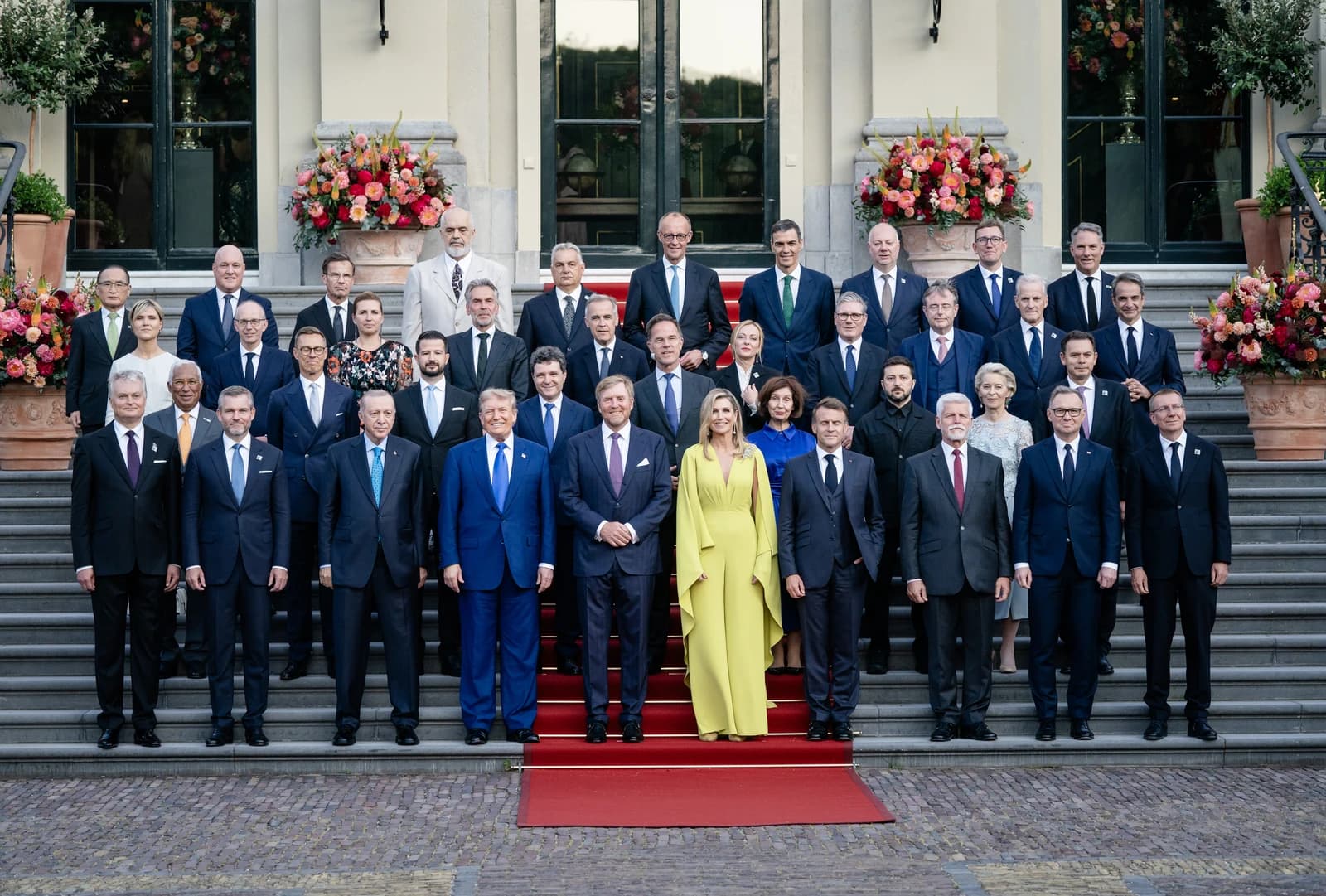
The three governments want EU summit conclusions to give national capitals more room to respond when one member state is seen as encouraging migrants to come to the bloc, according to a draft backed by Giorgia Meloni, Mette Frederiksen and Donald Tusk. That matters because it signals a harder, more coordinated EU stance on irregular migration at a moment when anti-immigration politics are gaining traction and leaders are under pressure to show they can control borders.
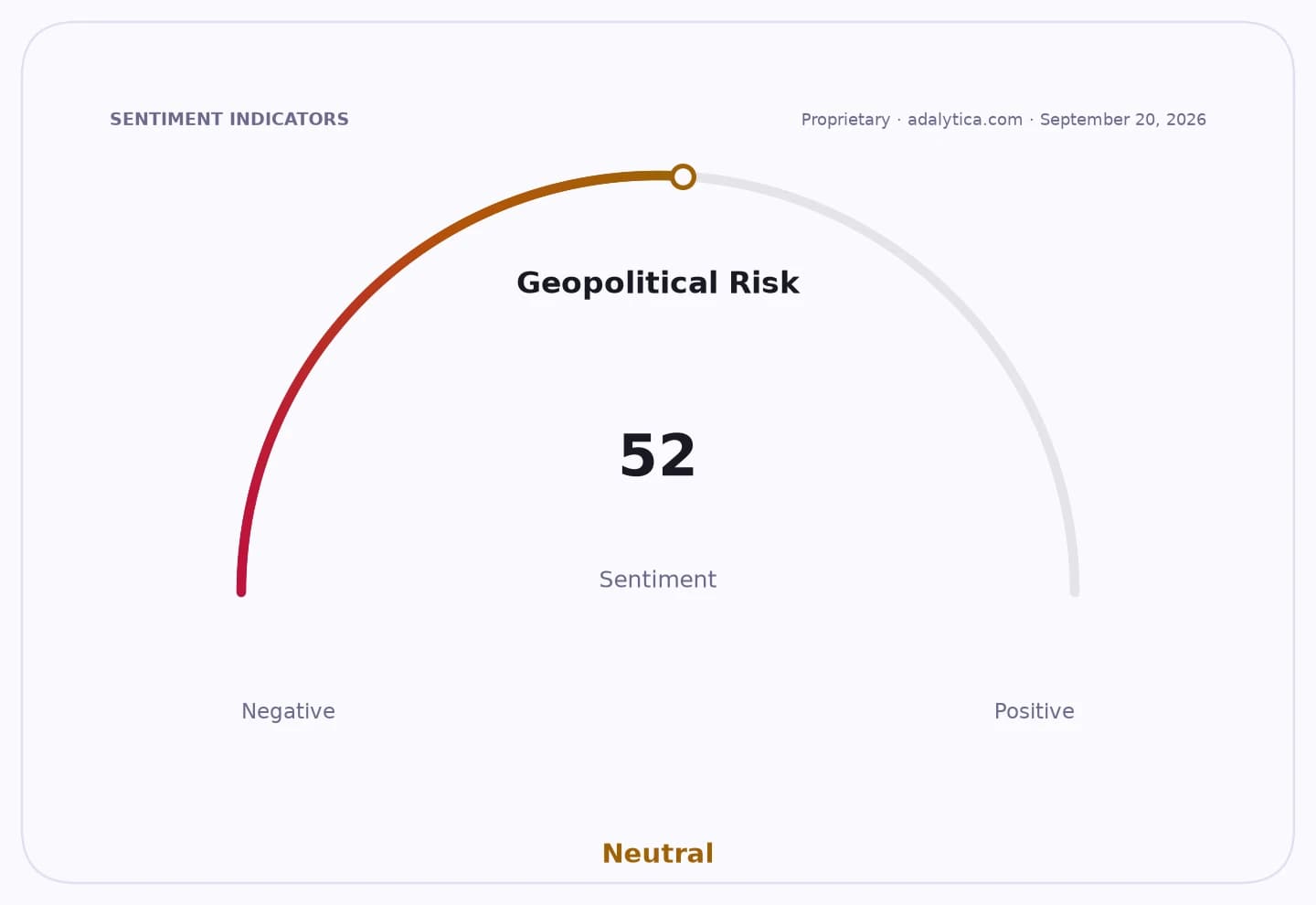
Sentiment IndicatorsⓘProprietary · adalytica.com · October 19, 2026
This is a snapshot — live sentiment, awareness and momentum for 130+ markets update continuously in the dashboard.Open AlphaPulse
For investors, the significance goes beyond Brussels procedure. A tougher migration line can reshape spending priorities, strengthen demand for border security, detention and surveillance services, and deepen the policy divide inside the EU over how much sovereignty capitals keep on asylum and migration. It also raises the odds of more friction between northern and southern states as governments compete over labor shortages, public sentiment and housing pressure.
The draft language says “migration worries many European citizens” and hurts social cohesion and crime statistics, a formulation designed to reflect the political mood more than to launch a legal overhaul. But the timing is important: the push comes after tensions with Spain over its migration amnesty and amid rising support for far-right parties across the bloc. The initiative is also being read as a message to Madrid that unilateral steps can trigger coordinated pushback from other capitals.
The proposal would ask the European Commission to examine ways to tighten cooperation when one member’s domestic policies have spillover effects on others. That is a notable shift in tone. Rather than treating migration purely as a humanitarian or administrative issue, the three countries are recasting it as a matter of collective economic and political stability — the kind of framing that often precedes new spending, tougher enforcement and a more durable market for security contractors, infrastructure suppliers and government technology vendors.
For markets, the winner is the border-security complex. Defense-adjacent and immigration-enforcement names can benefit if Europe follows the U.S. model of bigger budgets, longer contracts and more outsourced operations. The losers are governments that want looser rules, asylum advocates, and any member state betting that unilateral regularization will face little backlash.
The trade setup is clear: as migration hardens into a structural issue in Europe, investors should watch for a second-order wave of policy spending around borders, detention, logistics and surveillance. The market often prices these shifts slowly, but when politics turn this persistent, the beneficiaries can compound for years.
| Entity | Gains | Losses |
|---|---|---|
| Border-security and detention suppliers | ▲Higher contract demand | ▼ |
| Poland, Italy and Denmark | ▲Stronger bargaining power in EU talks | ▼ |
| Spain’s government | ▲ | ▼Greater pressure over unilateral migration policy |
| Asylum advocates / looser-migration camp | ▲ | ▼Harder policy climate and less room for flexibility |