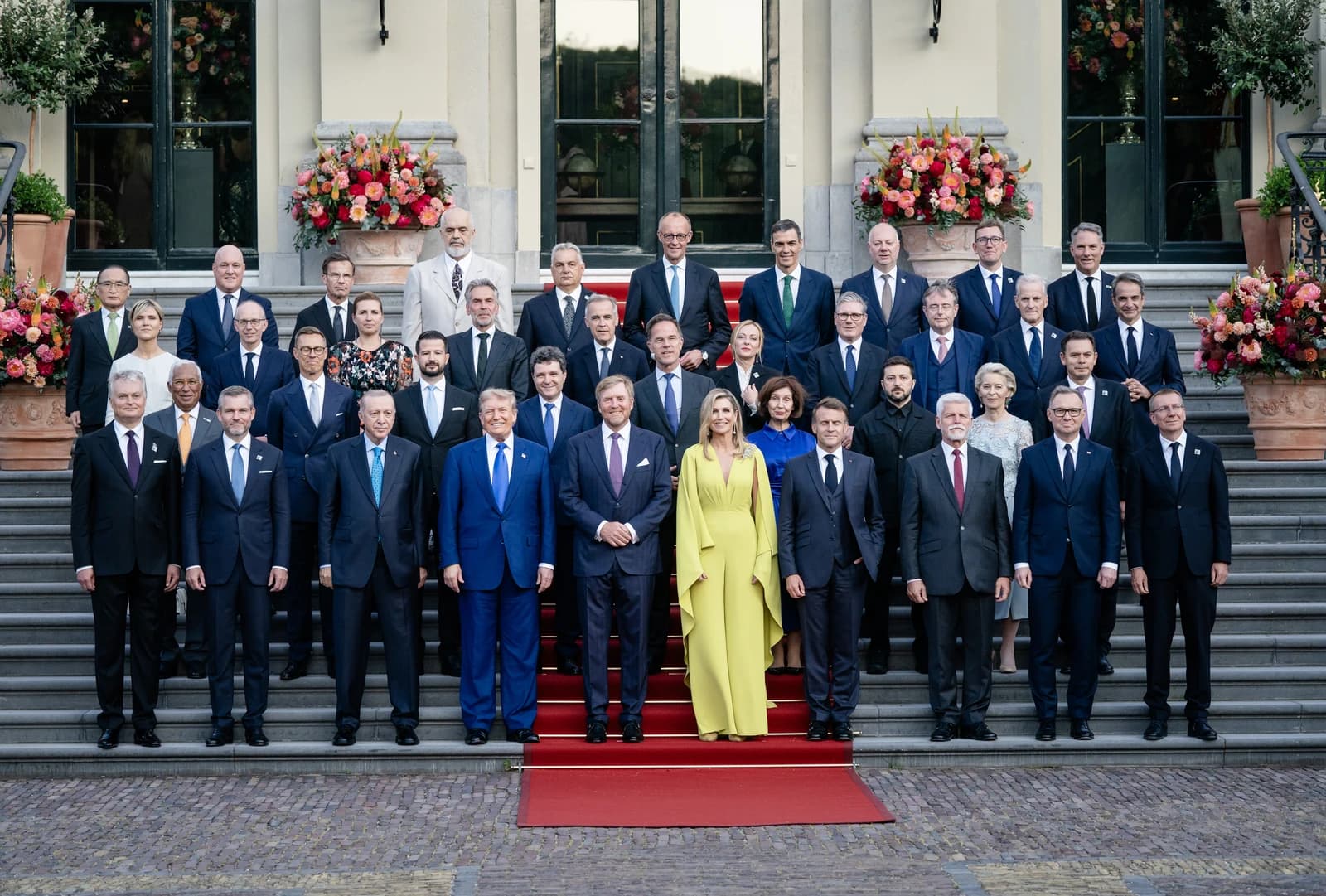
Europe’s center-right is not beating back the nationalist right so much as borrowing its language, and investors are beginning to price in the economic cost of that political drift.
Euro Falls as Europe’s Center-Right Shifts Right
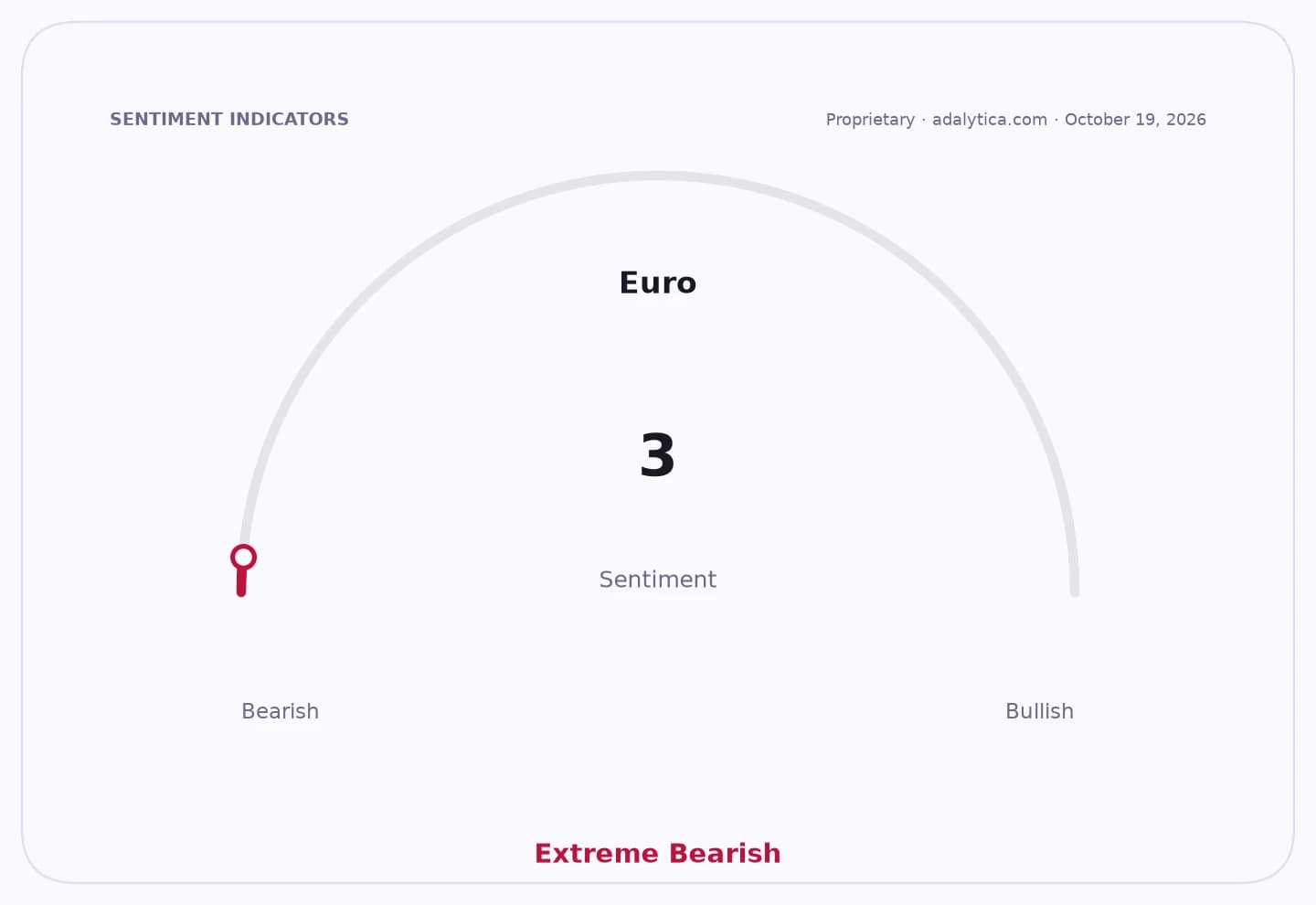
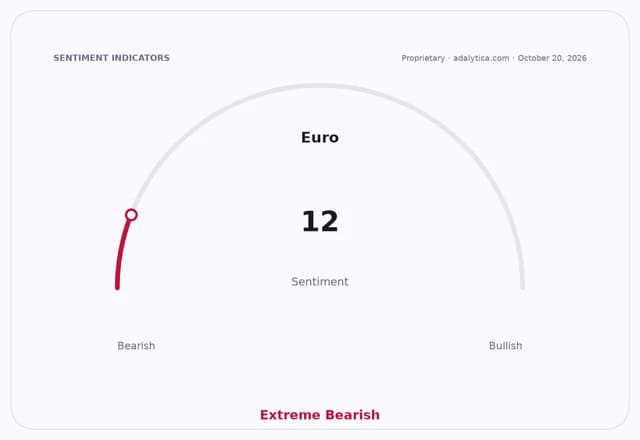
The clearest market tell is the euro itself. The currency has slid to about $1.12, down from $1.20 earlier this year, while Adalytica’s Euro Trade Signals now shows “Extreme Fear” sentiment at 12. That matters because the euro is not just a currency pair; it is a live referendum on Europe’s policy credibility, growth outlook and capital attractiveness. When the political center hardens its rhetoric instead of expanding the reform coalition, markets tend to assume more friction, more fragmentation and less appetite for the kind of pro-growth integration that supports the single currency.
That political shift is also showing up in European risk assets. The EZU ETF, which tracks large eurozone equities, has slipped to $65.64 from a 2026 peak near $68.09, with its 50-day moving average now above the price and RSI readings only recovering from oversold territory. VGK, a broader Europe fund, is still holding up better at $87.24, but it too sits below its 50-day line. In other words, investors are not yet abandoning Europe, but they are demanding a discount for the region’s political noise. The message is simple: when mainstream parties lean into anti-immigration or anti-Brussels themes to stem losses, they may win a tactical argument and still lose the strategic one by normalizing the very forces they meant to contain.
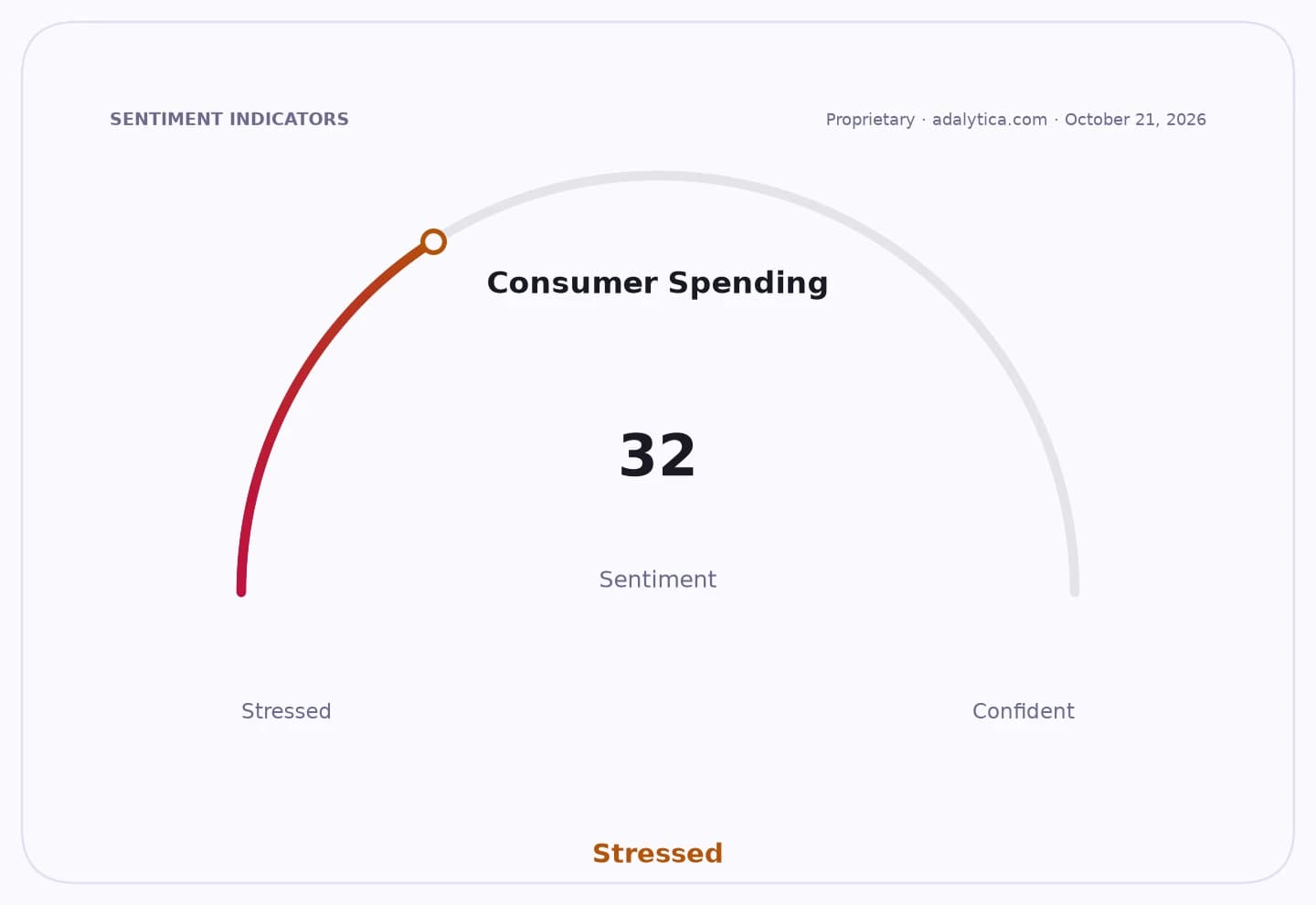
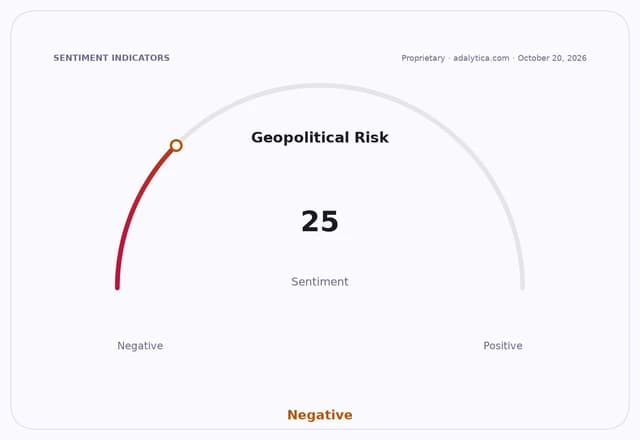
That is why this matters economically. Europe already faces weak trend growth, expensive energy, and a manufacturing base that needs policy clarity, labor mobility and cross-border investment. A center-right that bends toward the far right usually means tougher rhetoric on migration, more strained coalition arithmetic and a higher chance of policy paralysis. That combination is toxic for the euro and for domestically oriented European equities, especially banks, industrials and consumers that depend on stable regulation and open labor markets. It also helps explain why global stability sentiment in Adalytica’s gauge has dropped to 25, with “Extreme Fear” on awareness, even as investors continue to pick through selective opportunities.
Geopolitical Risk vs EURUSD=Xadalytica.com
Explore this data interactively — full history, time series and cross-market comparisons.Open AlphaPulse
The bigger narrative is that Europe’s political rightward lurch can become self-defeating: the mainstream adopts the extremists’ language to neutralize them, but ends up legitimizing their agenda and narrowing its own governing room. For investors, that argues for staying cautious on the euro and on Europe’s more politically sensitive sectors, while favoring companies with global revenues, hard assets or pricing power that can outperform if Europe’s domestic policy debate turns even more inward. If the center-right keeps chasing the far right’s voters, the market is likely to keep charging a political risk premium.
| Entity | Gains | Losses |
|---|---|---|
| Far-right parties | ▲Legitimacy | ▼Isolation |
| Center-right incumbents | ▲Short-term votes | ▼Centrist credibility |
| Euro exporters | ▲Weaker currency | ▼Higher import costs |
| EUR/USD bears | ▲Downtrend momentum | ▼Reversal risk |