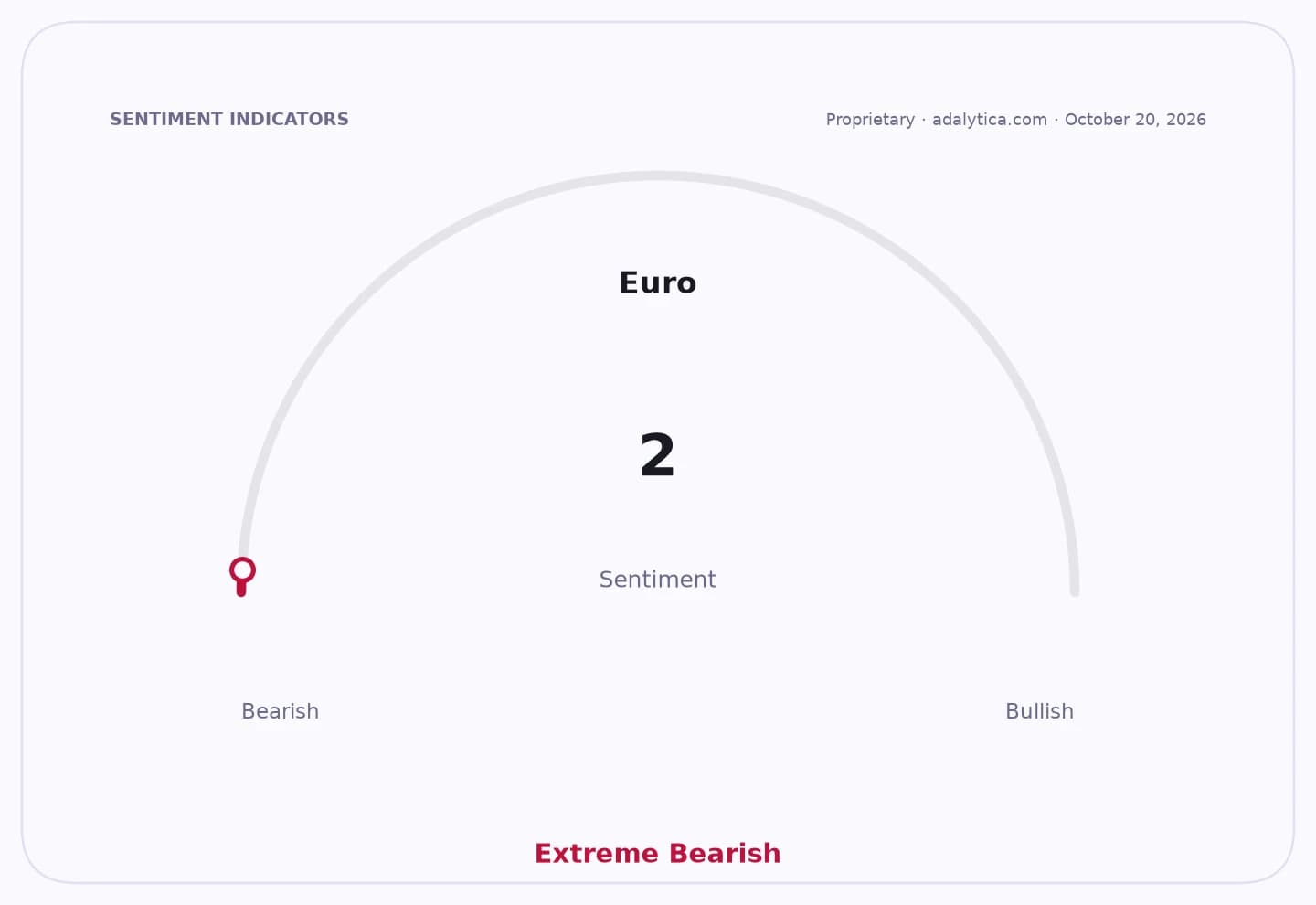
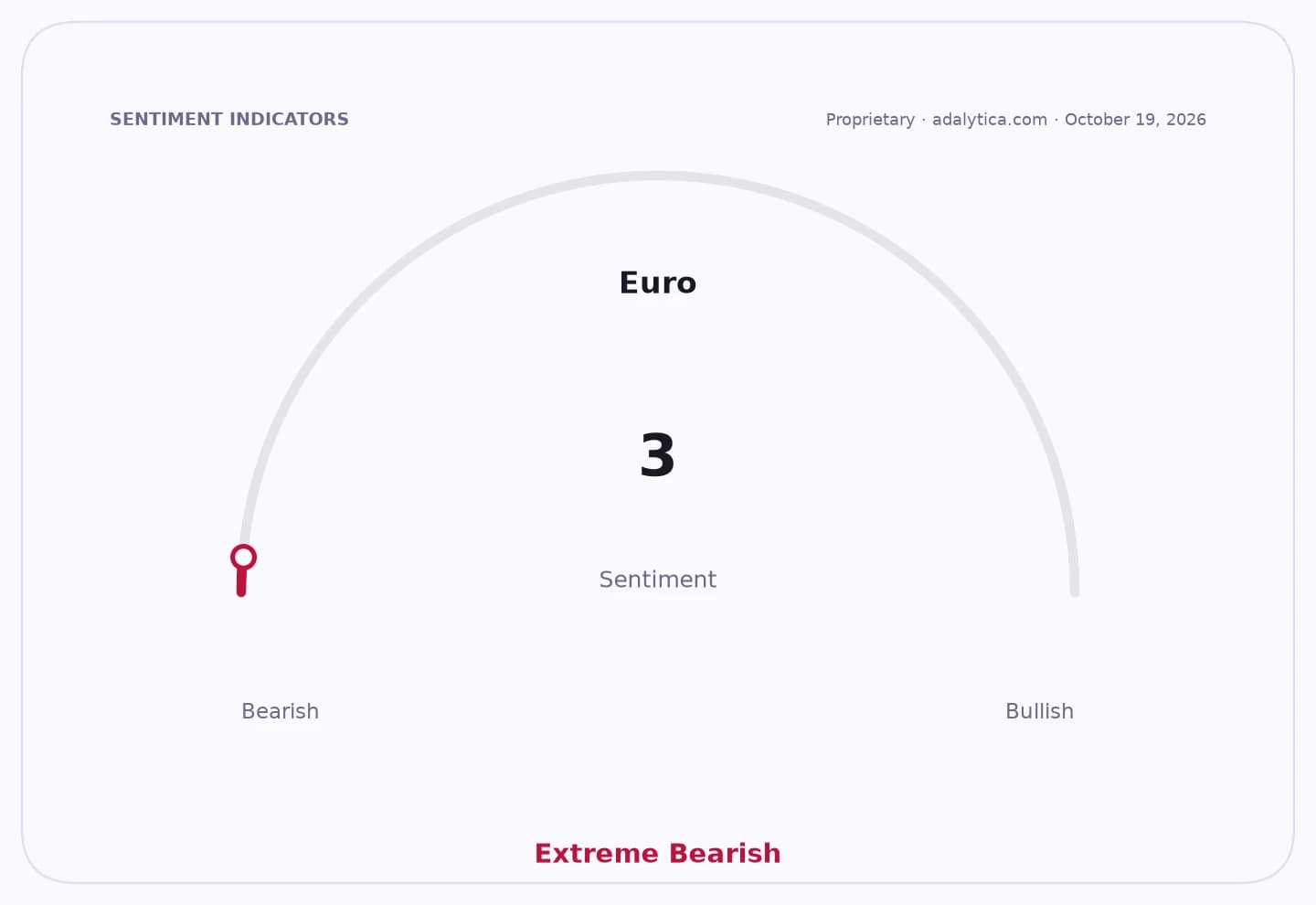
Germany’s political right is losing momentum, according to a new survey that showed the anti-immigration Alternative for Germany slipping to 29% and Chancellor Friedrich Merz’s conservative bloc dropping to 18%, a combination that matters because it points to a less forceful mandate for the pro-business camp at a time when Europe’s biggest economy still needs policy traction.
Germany Poll Shows AfD Leads, Merz Bloc Slips

The poll, carried out by INSA for Bild, suggests the AfD remains the country’s strongest party but has edged back after last week’s first reading above 30%, while Merz’s bloc fell 1 percentage point and the Social Democrats held at 13%. For investors, that mix matters less as a weekly political scorecard than as a signal that Germany’s governing arithmetic remains fragmented, making it harder to push through the kind of fiscal, labor-market and industrial reforms that would support growth, capex and sentiment toward German assets.
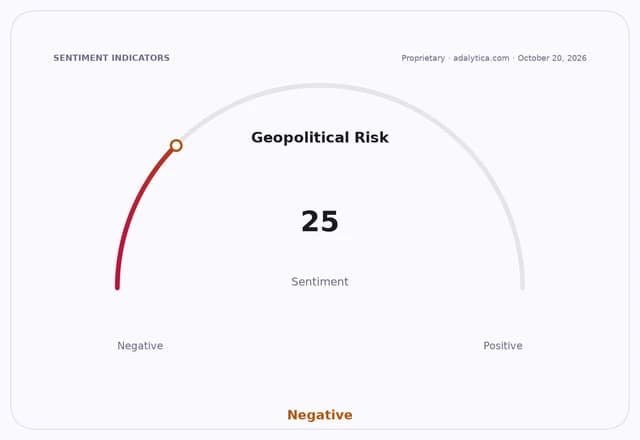
The broader implication is that Berlin’s next policy phase may be shaped by coalition friction rather than decisive mandate. The Left rose to 11% and the BSW to 4%, still below the 5% threshold for Bundestag entry, underscoring how votes are dispersing across the spectrum even as mainstream conservatives fail to regain lost ground. That fragmentation keeps pressure on Merz to balance fiscal restraint, defense spending, social policy and industrial competitiveness without a clean political runway.
Markets care because Germany sits at the center of European risk pricing. A weaker conservative bloc can slow reform expectations, weigh on the euro through lower policy clarity, and keep investors cautious on domestic cyclicals that would benefit most from faster infrastructure spending, energy relief and regulatory easing. Adalytica’s Global Stability Sentiment gauge remains in fear territory, reinforcing the market’s preference for caution over conviction in German and broader European risk assets.
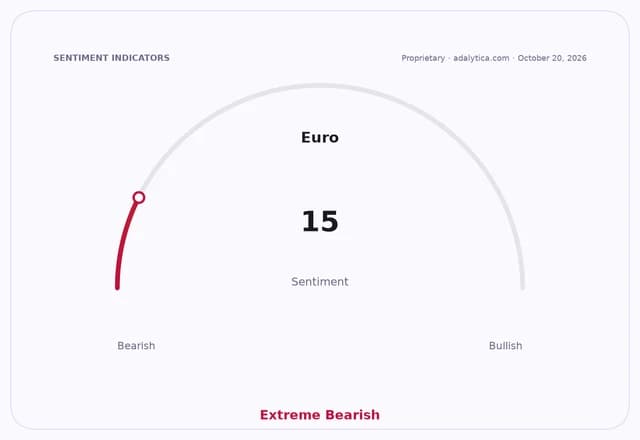
The message for investors is that Germany’s political center is not consolidating quickly enough to unlock a strong pro-growth rerating. Until one bloc can translate voter discontent into a workable reform majority, the better trade remains selective exposure to German exporters and pan-European companies with global earnings, rather than a broad bet on domestic rebound. The next catalyst will be whether these shifts harden into a durable trend or fade before they can reshape coalition negotiations and policy direction.
| Entity | Gains | Losses |
|---|---|---|
| AfD | ▲Leads polls | ▼Momentum cools |
| Merz conservatives | ▲Reform opening | ▼Support slips |
| Left party | ▲Protest vote gains | ▼Still niche |
| Euro/German cyclicals | ▲Potential relief if stability returns | ▼Policy uncertainty |