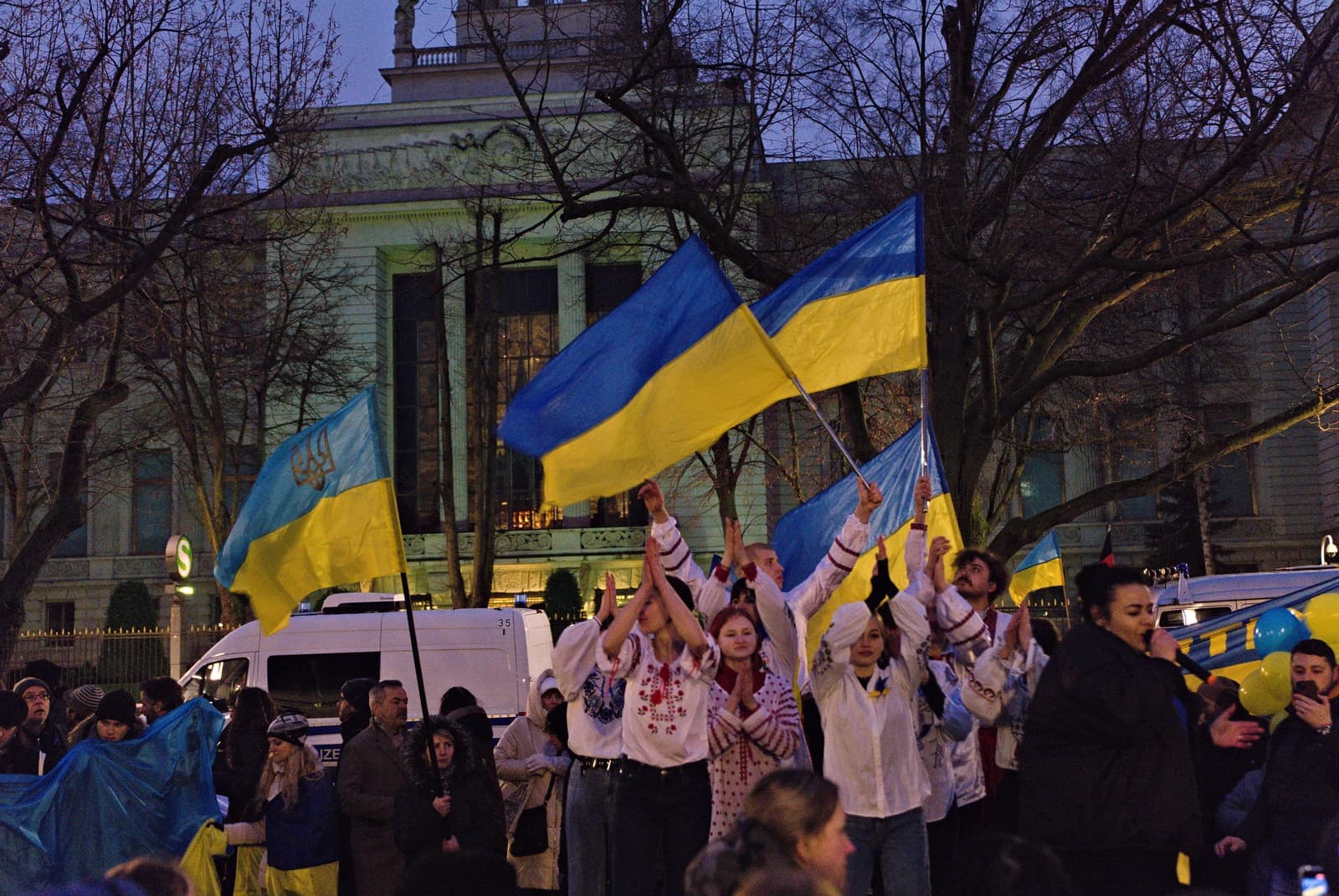
A regional parliament in eastern Germany has voted to demand an end to sanctions on Russia and halt military support for Ukraine, underscoring how the war has become a live political fault line inside Europe’s largest economy.
Saxony-Anhalt Parliament Votes on Russia Sanctions
The move by the Landtag of Saxony-Anhalt matters less for its immediate legal force than for what it says about the durability of Germany’s sanctions consensus. The resolution has no direct authority over foreign policy, but it gives institutional backing to a position long associated with the far right and parts of the populist left: that Berlin’s economic cost from the war is now too high, and that pressure on Moscow should be eased. For investors, that raises the risk of more domestic resistance to Ukraine aid, a more fractured German stance inside the EU, and renewed debate over energy, defense and fiscal priorities.
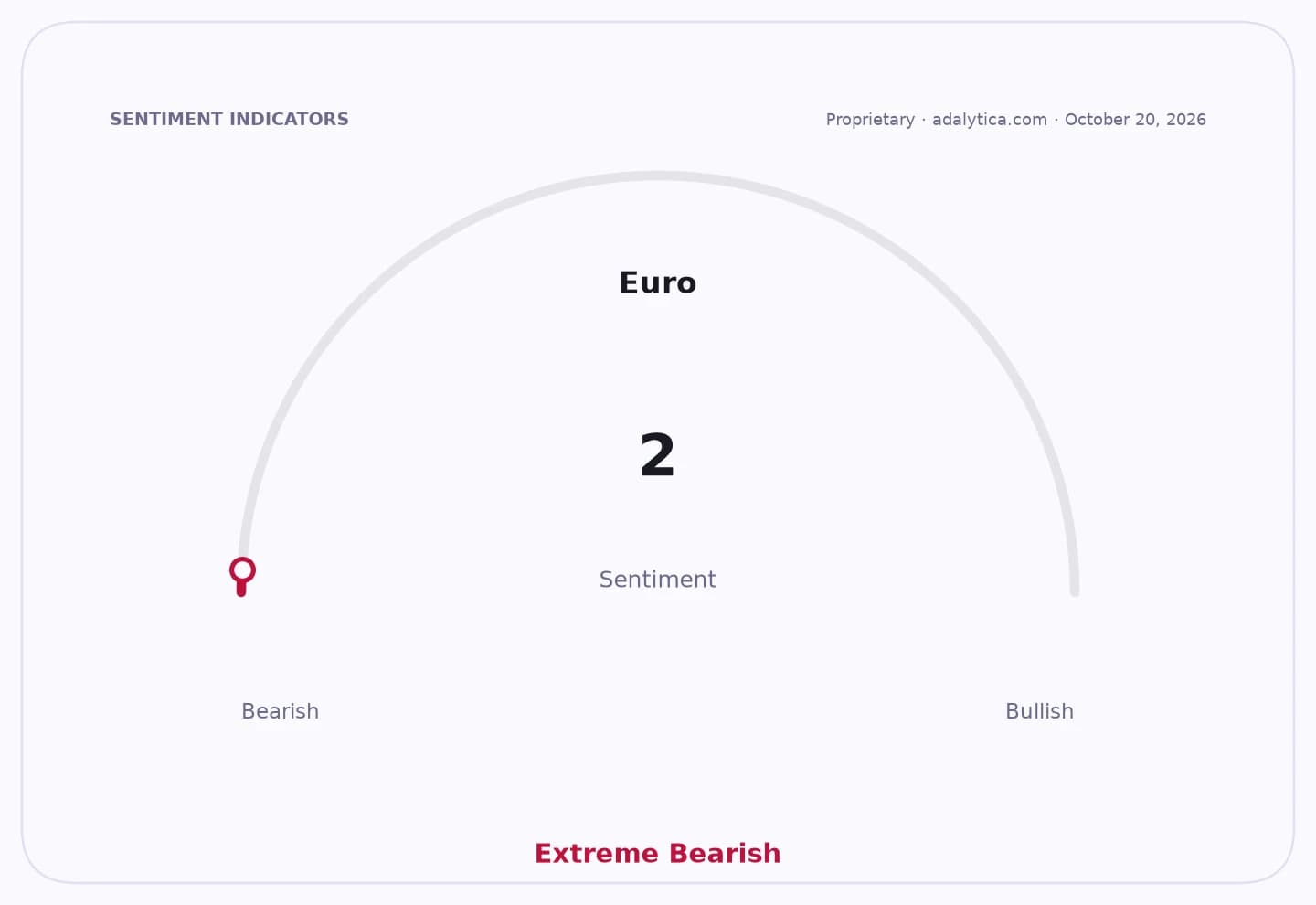
Sentiment IndicatorsⓘProprietary · adalytica.com · October 15, 2026
This is a snapshot — live sentiment, awareness and momentum for 130+ markets update continuously in the dashboard.Open AlphaPulse
The resolution was backed by Alternative for Germany, or AfD, and the Sahra Wagenknecht Alliance, known as BSW, both of which have pushed for a reset with Moscow. It calls not only for lifting economic sanctions, but also for ending weapons deliveries to Kyiv and reducing financial support for Ukraine. AfD co-chair in the regional legislature Ulrich Siegmund said it was the first initiative of its kind from a German state parliament. He cited roughly €28 billion in support for Ukrainian refugees and €23 billion in military aid, framing the issue as a burden on German households.
That political messaging cuts to a larger economic narrative. Sanctions have become one of the clearest channels through which the war in Ukraine continues to affect European growth, industrial costs and public finances. Germany’s export model has already been strained by weaker global demand, high energy costs and soft manufacturing output. A broader move to loosen sanctions would not automatically revive trade with Russia — many restrictions are embedded at the EU level and would be difficult to unwind — but even symbolic pressure from regional lawmakers shows how war fatigue can spill into policymaking, especially in states where voters are more sensitive to industrial jobs and energy prices.
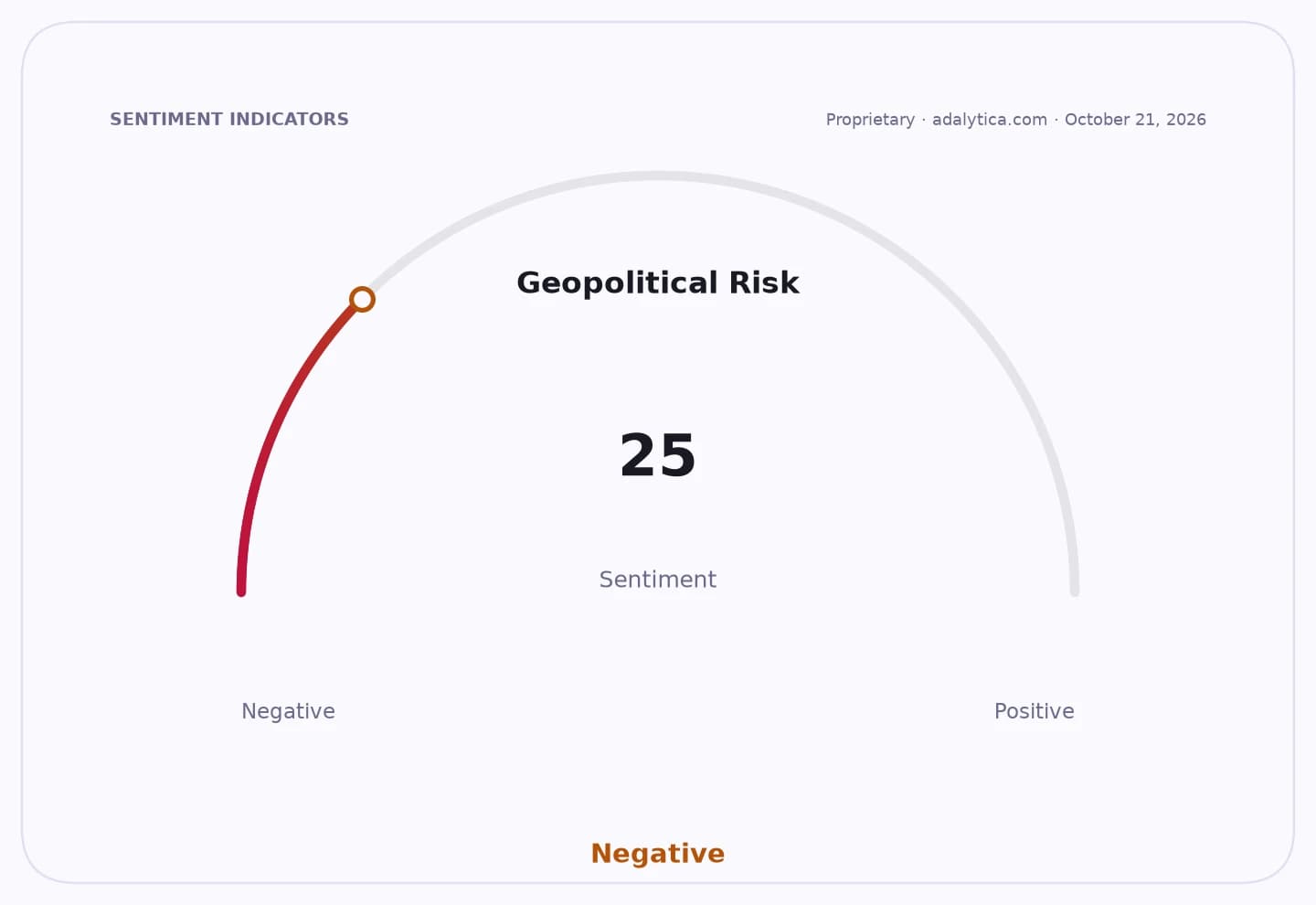
Geopolitical Risk — 30-day sentimentadalytica.com
Explore this data interactively — full history, time series and cross-market comparisons.Open AlphaPulse
The vote also arrives as Western unity on Russia is showing strain rather than consolidation. Reuters has reported that the United States is weighing partial sanctions relief in some areas, while the European Union has been tightening pressure with a fresh round of measures. That divergence matters because sanctions are most effective when they are coordinated. If Washington and parts of Europe begin to move in different directions, Moscow gains room to exploit the gaps, and investors face more uncertainty over the future of oil flows, freight costs, commodity trade and Europe’s defense posture.
For markets, the immediate impact is mostly indirect. There is no sign this regional vote will alter policy in Berlin or Brussels on its own. But it adds to the political noise around Russia exposure at a time when European assets remain sensitive to headlines on energy security, defense spending and geopolitical risk premia. Any widening of the debate could weigh on sentiment toward German industrials that still face second-order effects from the war, while supporting defense names and companies tied to rearmament if the political backlash pushes mainstream parties to harden their positions.
The response from Saxony-Anhalt’s acting premier, Sven Schulze of the CDU, was dismissive; he called the parliamentary session a “show” and said the state government would treat the resolution accordingly. That reflects the likely near-term outcome: no change in federal policy, but a sharper domestic fight over who pays for the war and how long Germany should sustain its current course.
For investors, the key question is whether the Saxony-Anhalt vote remains a symbolic outlier or becomes a template for more regional and parliamentary pressure on Berlin. If support for Ukraine becomes more politically costly inside Germany, the debate could eventually affect everything from budget allocations to industrial policy and relations with allies. Even without formal policy change, the vote is another reminder that sanctions on Russia are no longer just a geopolitical tool — they are becoming a domestic economic and electoral issue in Europe.
| Entity | Gains | Losses |
|---|---|---|
| AfD and BSW | ▲Political visibility | ▼Policy credibility in mainstream debate |
| Russian government | ▲Sanctions relief narrative | ▼None immediately, but no policy change |
| CDU/SPD/Greens/Linke | ▲Defense of current policy | ▼Pressure from anti-aid voters |
| German exporters and industry | ▲Potential future easing | ▼Uncertainty from policy split |