Germany could be heading into a period of faster growth, higher wages and better pensions if long-promised reforms are delivered, according to Stefan Hoops, chief executive of DWS, the asset manager that oversees about 1.2 trillion euros.
Germany Growth Outlook After DWS Reform Push
That matters because Germany’s economic model has been under pressure from weak productivity, ageing demographics and sluggish investment. If policymakers can combine fiscal stimulus with changes to labour markets, pensions and bureaucracy, Hoops argues the country could move toward 3% to 4% annual growth in the 2030s — a pace that would lift corporate earnings, household incomes and the sustainability of the welfare state.
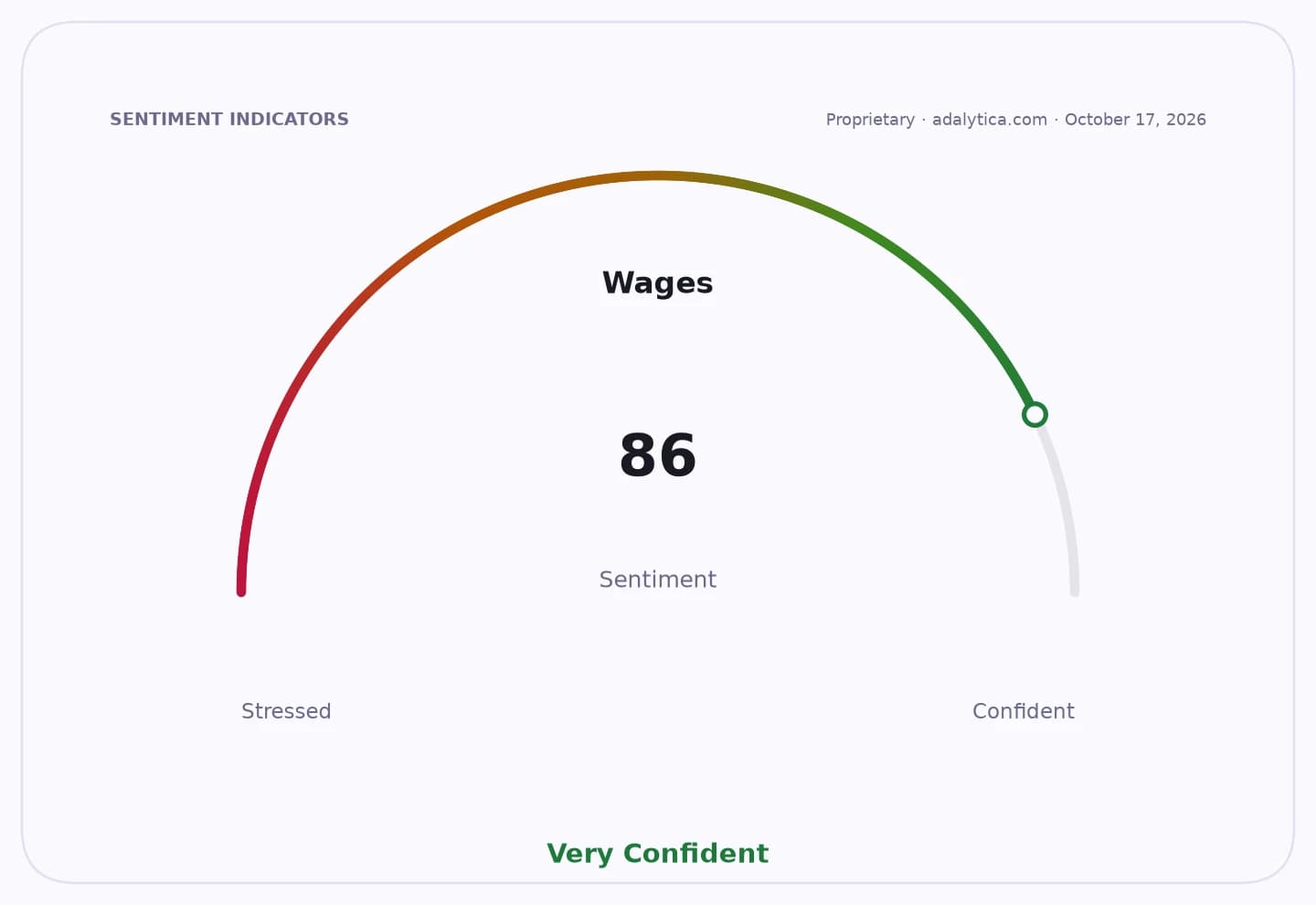
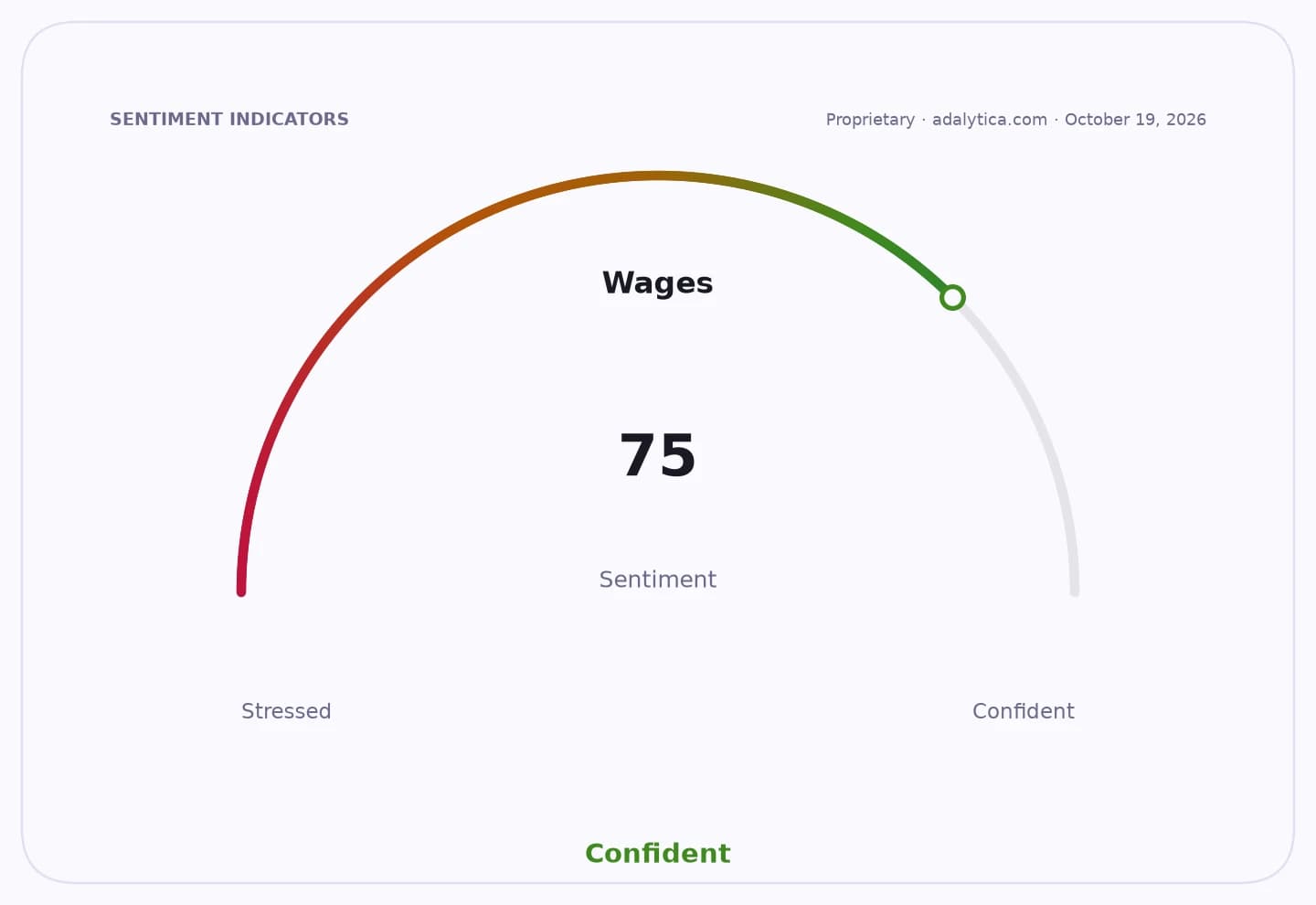
Sentiment IndicatorsⓘProprietary · adalytica.com · October 21, 2026
This is a snapshot — live sentiment, awareness and momentum for 130+ markets update continuously in the dashboard.Open AlphaPulse
Hoops’ comments reflect a broader policy debate in Europe’s largest economy: whether Germany can revive growth without asking workers to absorb more of the adjustment. He said the government has already taken “the first step” by boosting the economy, but the harder phase now is reform. That includes working patterns, retirement rules and cuts to red tape.
For investors, the implications are direct. Faster growth would support domestic equities, cyclical sectors and private investment, while also improving the outlook for tax revenues and public finances. In Hoops’ view, the real prize is not just stronger GDP, but a larger pool of income that can flow into wages, pensions, healthcare and education. A stronger economy would also make it easier for companies to justify higher pay without losing competitiveness.
At the same time, the message carries a warning. Hoops said Germany works less than some peers and retires earlier on average, suggesting the current system will need adjustment if living standards are to rise sustainably. That makes pension reform politically sensitive, even if the economic case is clear. The fact that the chief of a major German asset manager is talking about a “golden decade” underscores how closely markets are watching Berlin’s ability to deliver structural change.
He also pressed the case for deeper private retirement saving, saying young people should start investing early, even with small monthly sums. That point matters for capital markets as much as for household wealth: a shift toward funded pensions would channel more long-term savings into equities and other assets, broadening Germany’s domestic investor base.
Foreign capital is another part of the story. Hoops said international investors still see Germany as a place with skilled labour, strong companies, low debt and rule of law, but warned that debates over nationalisation or expropriation can unsettle them. In other words, the growth story depends not just on reforms, but on credibility. If investors believe Germany is open to capital and committed to policy stability, they are more likely to fund the transition.
The bull case is straightforward: reforms lift productivity, wages and pensions rise together, and Germany reclaims growth leadership in Europe. The bear case is equally clear: political resistance dilutes the reforms, growth remains stuck near trend, and the fiscal strain from ageing deepens. For markets, the next catalyst is whether Berlin turns the rhetoric of competitiveness into legislation.
| Entity | Gains | Losses |
|---|---|---|
| German workers | ▲Higher wages | ▼Faster reform pressure |
| Pensioners | ▲Better benefit growth | ▼Delayed pension changes |
| German government | ▲Stronger tax base | ▼Political backlash |
| Investors in Germany | ▲Better growth outlook | ▼Policy uncertainty |