Germany’s ruling coalition is trying to steady itself after bruising state-election fallout, warning lawmakers that democracy faces a “historic test” while pledging to move faster on growth, jobs and the 2027 budget.
Germany coalition vows faster growth and 2027 budget
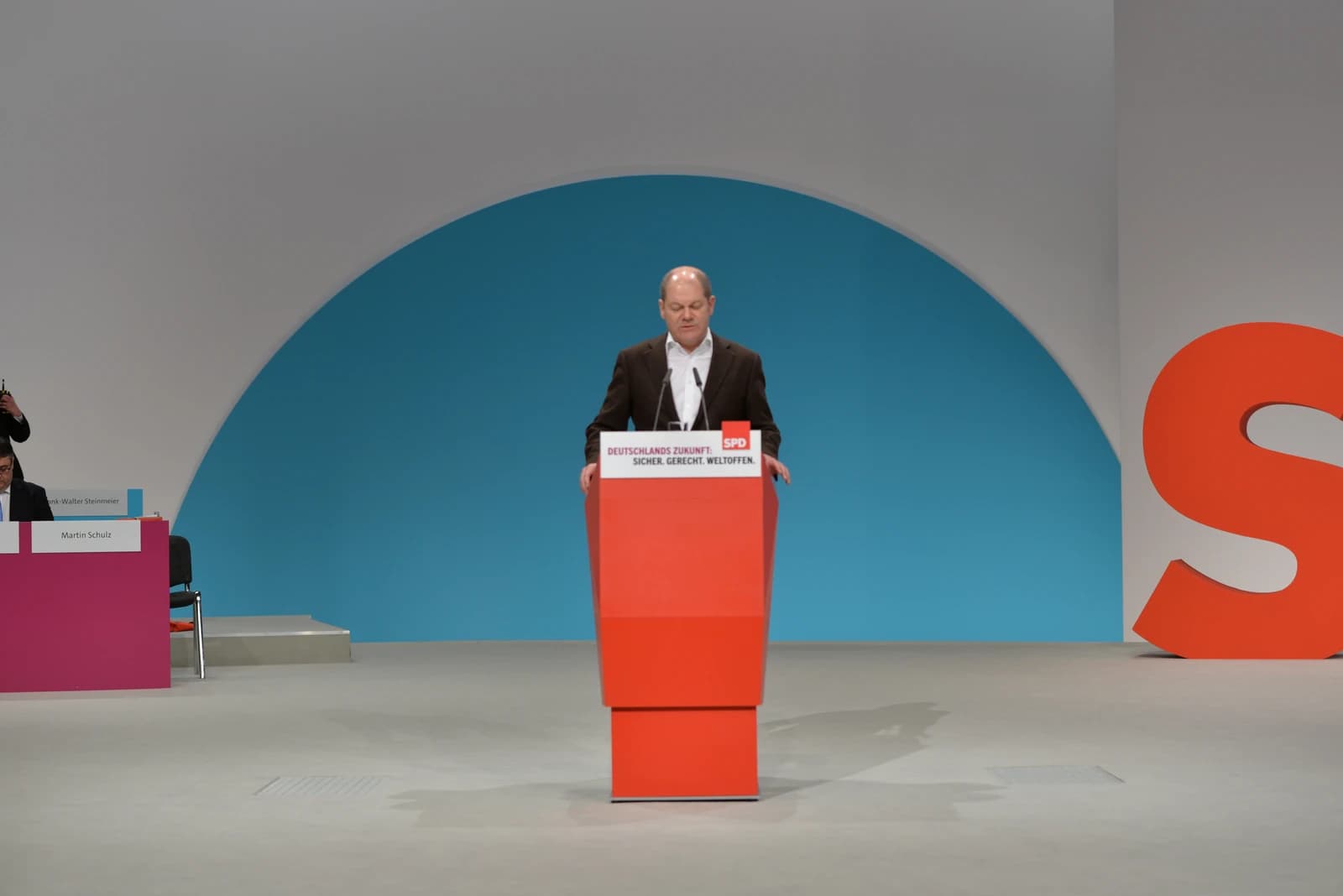
The message from Union and SPD leaders comes as the government confronts twin pressures: rising political fragmentation and growing friction inside the coalition over how to respond to the AfD, the Left and the electoral shock in Saxony-Anhalt and Berlin. For investors, the issue is less the rhetoric than whether Chancellor Friedrich Merz’s coalition can keep enough discipline to pass reforms and budget measures in Europe’s largest economy.
After more than four hours of talks, Union parliamentary leader Thorsten Frei, SPD leader Matthias Miersch and CSU group chief Alexander Hoffmann said they had agreed on a “good and constructive atmosphere” and rejected any accommodation with political extremism. They told lawmakers the coalition is determined “not to leave our country to extremists,” according to the joint note seen by Deutsche Presse-Agentur.
The political stakes are economic as much as institutional. The coalition said growth, secure jobs and social cohesion now sit at the center of its work program, with the immediate focus on implementing reform measures already agreed in July and preparing the 2027 federal budget. Any prolonged internal dispute would raise the risk of policy drift at a time when Germany is still struggling to revive activity after two weak years.
Tensions around the state elections underline that risk. In Saxony-Anhalt, an AfD politician was elected state parliament president in a secret ballot, prompting suspicion that some CDU votes may have crossed over and angering the SPD. On the other side, the Union is irritated by the possibility that the SPD could back a coalition with the Left in Berlin, which the CDU/CSU views as containing antisemitic and far-left elements.
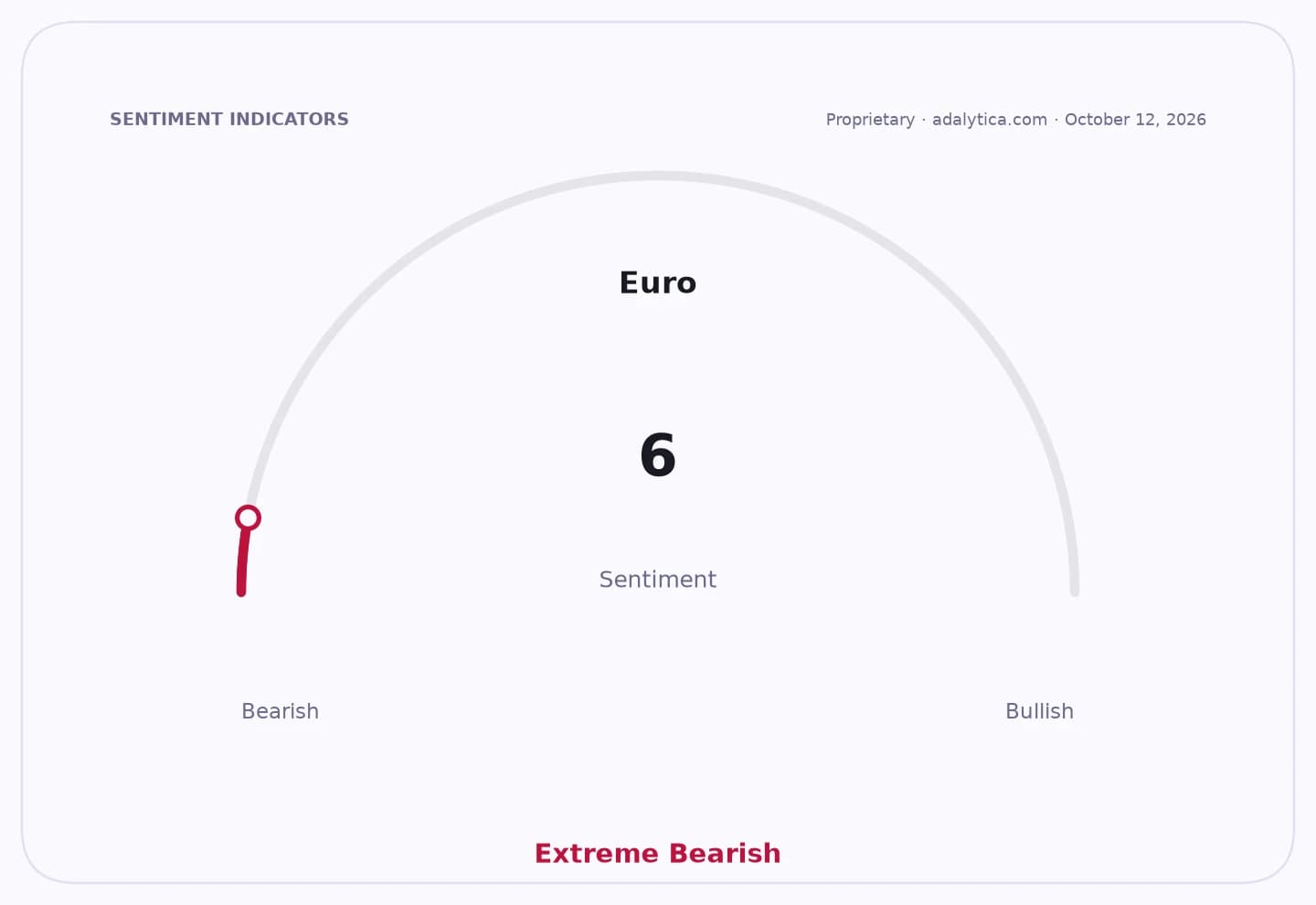
For markets, Germany’s political stability matters because it anchors fiscal planning, industrial policy and the broader euro zone outlook. The DAX and the euro are not reacting to this message alone, but investors will watch whether the coalition can preserve enough unity to avoid fresh legislative delays, especially on the budget and reform package that could affect business confidence and public investment.
The next test is whether the coalition can convert its defensive political messaging into deliverable policy. If it cannot, the warning about democracy’s “historic test” may prove to be more than a political phrase — it could become a warning about Germany’s ability to sustain economic momentum.
| Entity | Gains | Losses |
|---|---|---|
| Union-SPD coalition | ▲Shows unity, keeps reform agenda alive | ▼Faces credibility risk if infighting persists |
| AfD | ▲Benefits from polarization and protest votes | ▼Faces broader rejection by mainstream parties |
| Berlin Left / CDU in Berlin | ▲Could gain room for coalition maneuvering | ▼Union criticism and legitimacy attacks |
| German economy / investors | ▲Stability if budget and reforms advance | ▼Policy delay, weaker confidence if coalition fractures |