Germany’s central bank is betting the country’s long slump may finally be giving way to a more durable upswing, and that matters because it could keep pressure on the European Central Bank to leave rates higher for longer — or lift them again if inflation stays sticky.
Germany Growth Outlook Keeps ECB Rates Higher
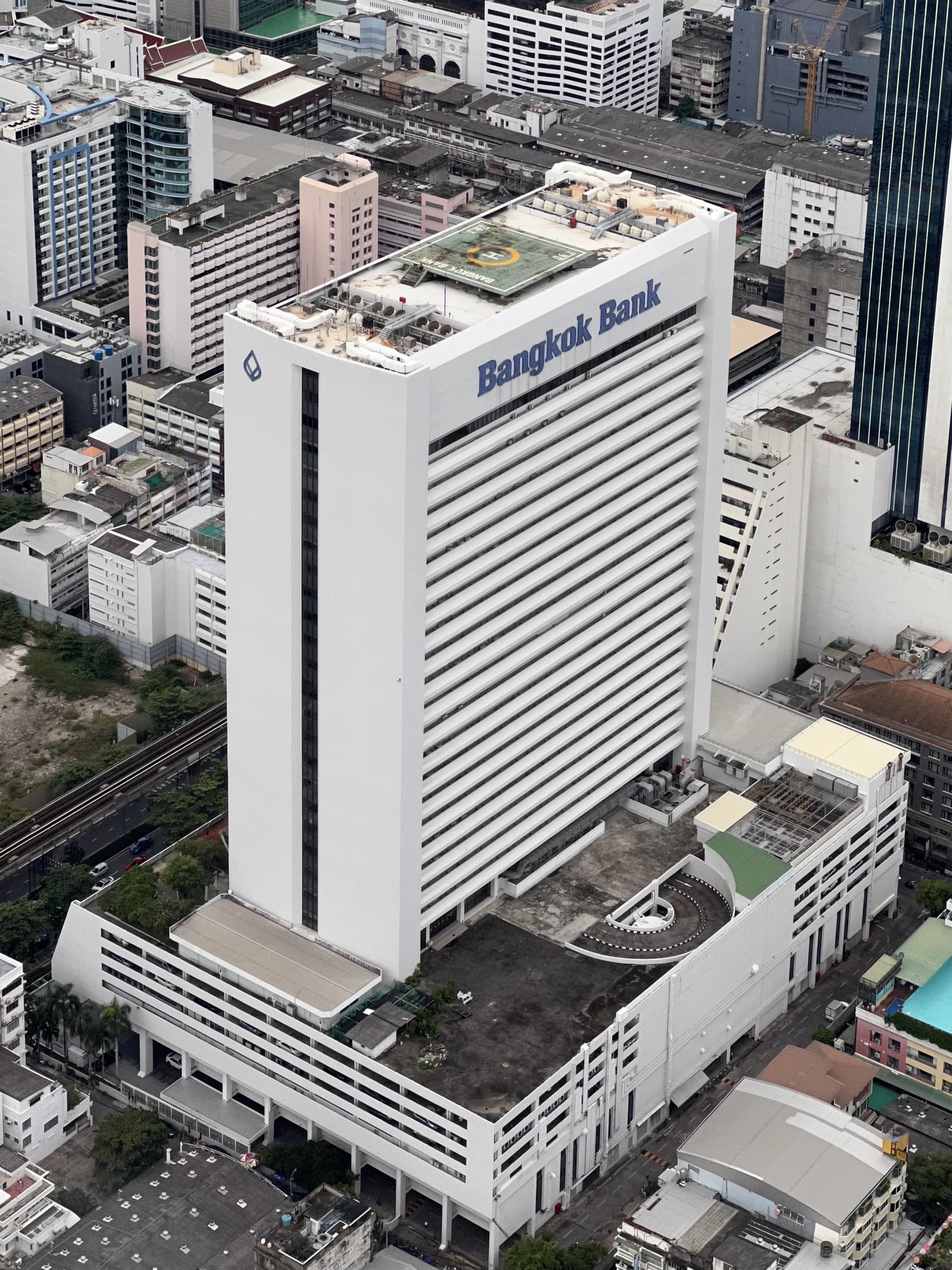
Bundesbank President Joachim Nagel said in Bangkok that he sees scope for “longer-lasting” growth in Germany, while warning he would not rule out another ECB rate increase if price pressures persist. That is a meaningful shift for Europe’s biggest economy, where a years-long malaise has weighed on industrial output, investment and bank lending. If Germany does gain traction into 2027 and 2028, the region’s growth engine could finally move from drag to support, with AI spending, government reforms and better business confidence reinforcing each other.
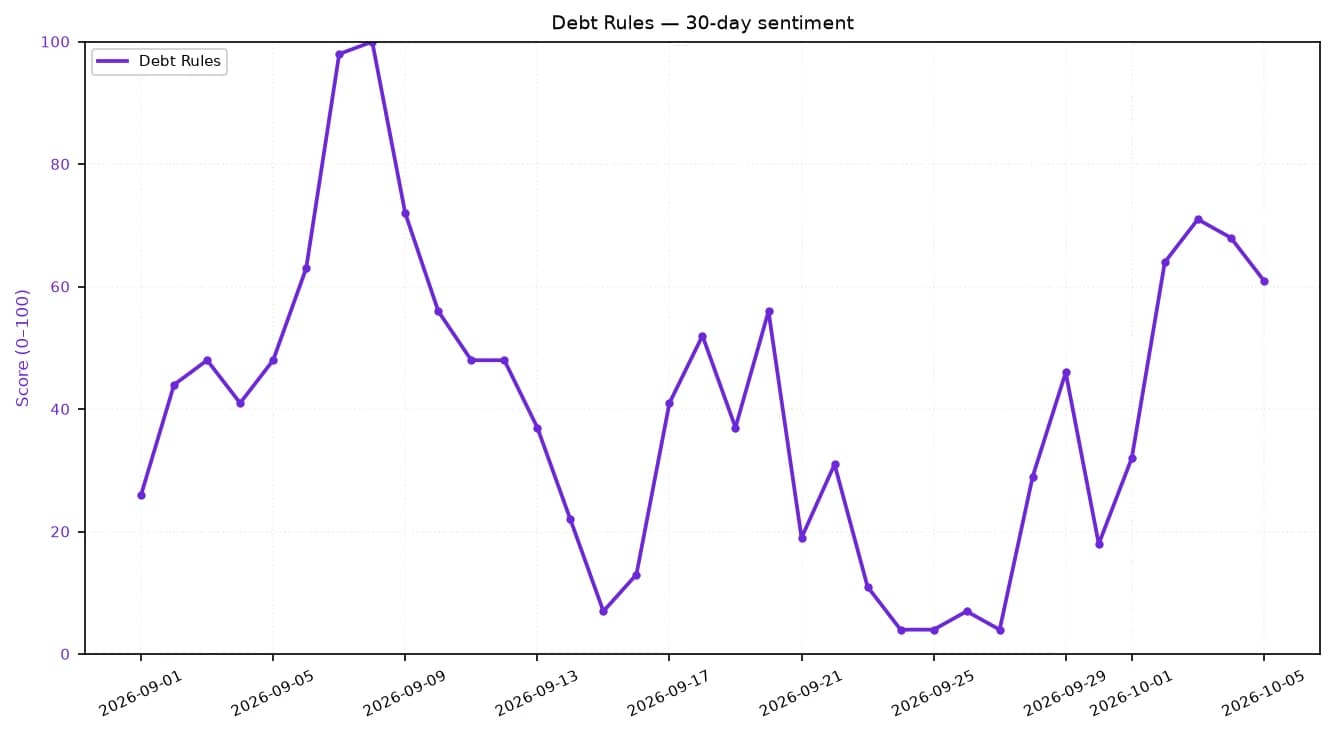
Sentiment IndicatorsⓘProprietary · adalytica.com · October 18, 2026
This is a snapshot — live sentiment, awareness and momentum for 130+ markets update continuously in the dashboard.Open AlphaPulse

The inflation backdrop is still the hurdle. Eurozone consumer prices rose to 3.8% in September, and Nagel said the ECB will do what is necessary to bring inflation back to its 2% target over the medium term. Economists are already pricing in a third ECB hike this year, reflecting the risk that rising prices in major economies such as France and Spain keep policy tighter for longer. For investors, that keeps the market focused on two competing forces: a stronger growth narrative for Europe and a more restrictive rate environment that could delay the recovery in rate-sensitive assets.
For banks, the combination is unusually attractive. Higher-for-longer rates can support net interest income, while a firmer growth outlook improves credit demand and lowers the odds of a broad deterioration in asset quality. That helps explain why the sector has been posting strong profits across 2026, with lenders in Asia and elsewhere reporting double-digit growth and Citigroup, JPMorgan and U.S. Bancorp benefiting from resilient banking revenues and investment-banking activity. If Germany does transition from stagnation to expansion, European lenders, industrials and domestically focused cyclicals could see a second leg higher.
The market is still underestimating how powerful that mix could become if reform momentum and AI investment start to matter in the real economy. The first effects this year, Nagel said, may extend into 2028. That gives investors a clear setup: stay positioned for European cyclicals and banks, but expect the ECB to remain the gatekeeper for the pace of the trade. The opportunity is not in chasing the first data point — it is in owning the beneficiaries of a recovery that could turn out to be longer, not shorter, than consensus expects.
| Entity | Gains | Losses |
|---|---|---|
| German banks | ▲Higher loan demand, better margins | ▼Slower policy easing |
| European cyclicals | ▲Stronger domestic demand | ▼Persistent inflation |
| ECB hawks | ▲More reason to keep rates elevated | ▼Doves pushing for cuts |
| Borrowers/rate-sensitive assets | ▲A growth rebound | ▼Higher-for-longer financing costs |