Germany’s recovery lost momentum in the summer as low water on inland waterways and still-elevated energy costs curbed output, underscoring how fragile Europe’s biggest economy remains even after a stronger first half.
Germany recovery slows on low water and energy costs

That matters because Germany is not just another cyclical market: it is the engine room for the euro zone, and when German value added slows, supply chains, industrial margins and regional growth expectations all get repriced. The economy ministry said the latest slowdown was driven by special factors, including weaker global inventory rebuilding for energy-intensive goods and restrictions on river shipping caused by low water, while households were getting little relief from lost purchasing power, higher financing costs and persistent uncertainty.
Sentiment IndicatorsⓘProprietary · adalytica.com · October 15, 2026
This is a snapshot — live sentiment, awareness and momentum for 130+ markets update continuously in the dashboard.Open AlphaPulse
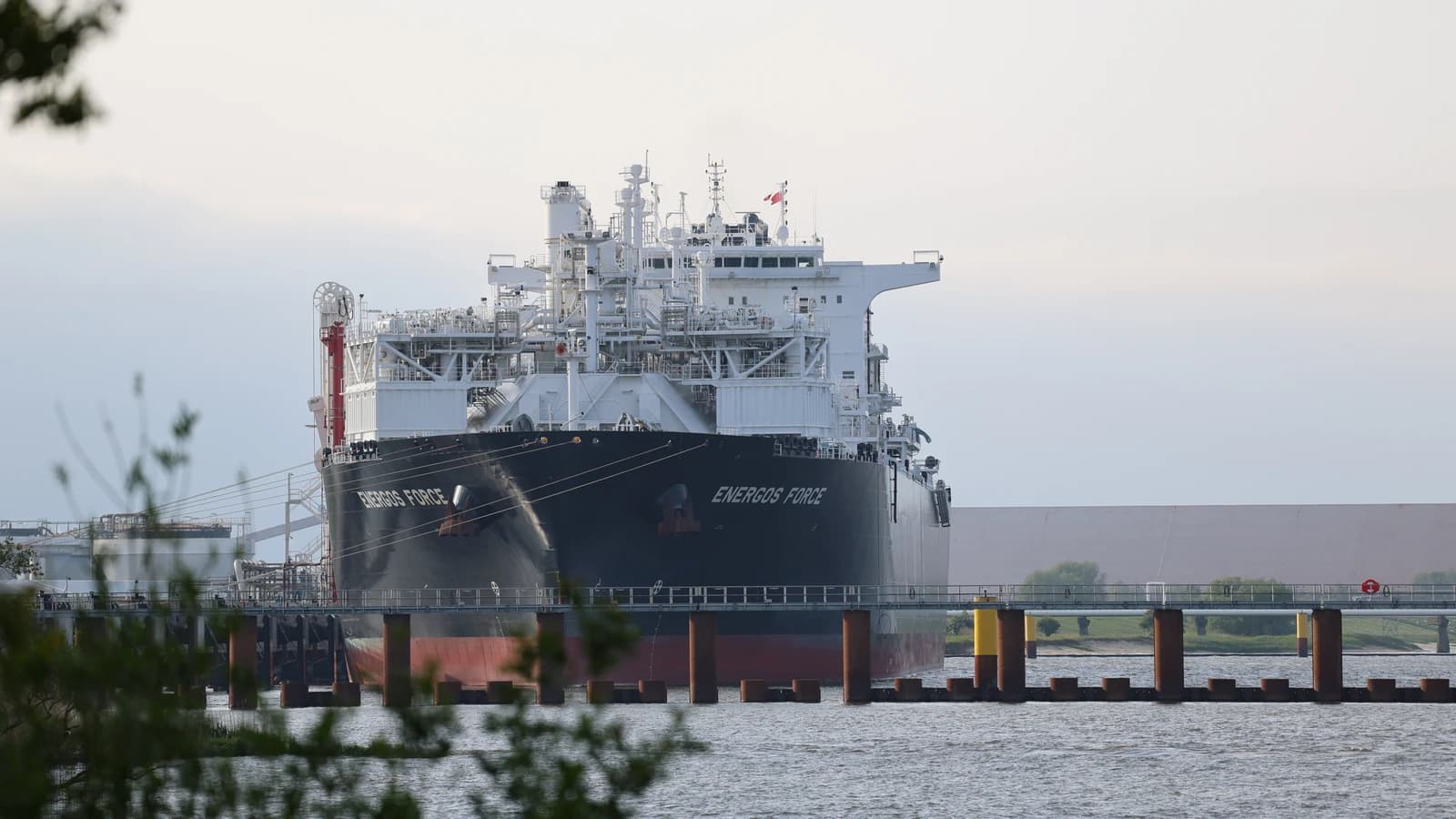
For investors, the message is clear: the market is still underestimating how much old-economy bottlenecks can offset any rebound from easier inflation or lower rates. River transport constraints hit commodities, chemicals and heavy industry first, but the drag spreads quickly through manufacturing, logistics and exports. Elevated energy prices then compound the problem by squeezing real incomes and corporate margins, limiting the kind of domestic demand recovery that German equities need to sustain a broader breakout.
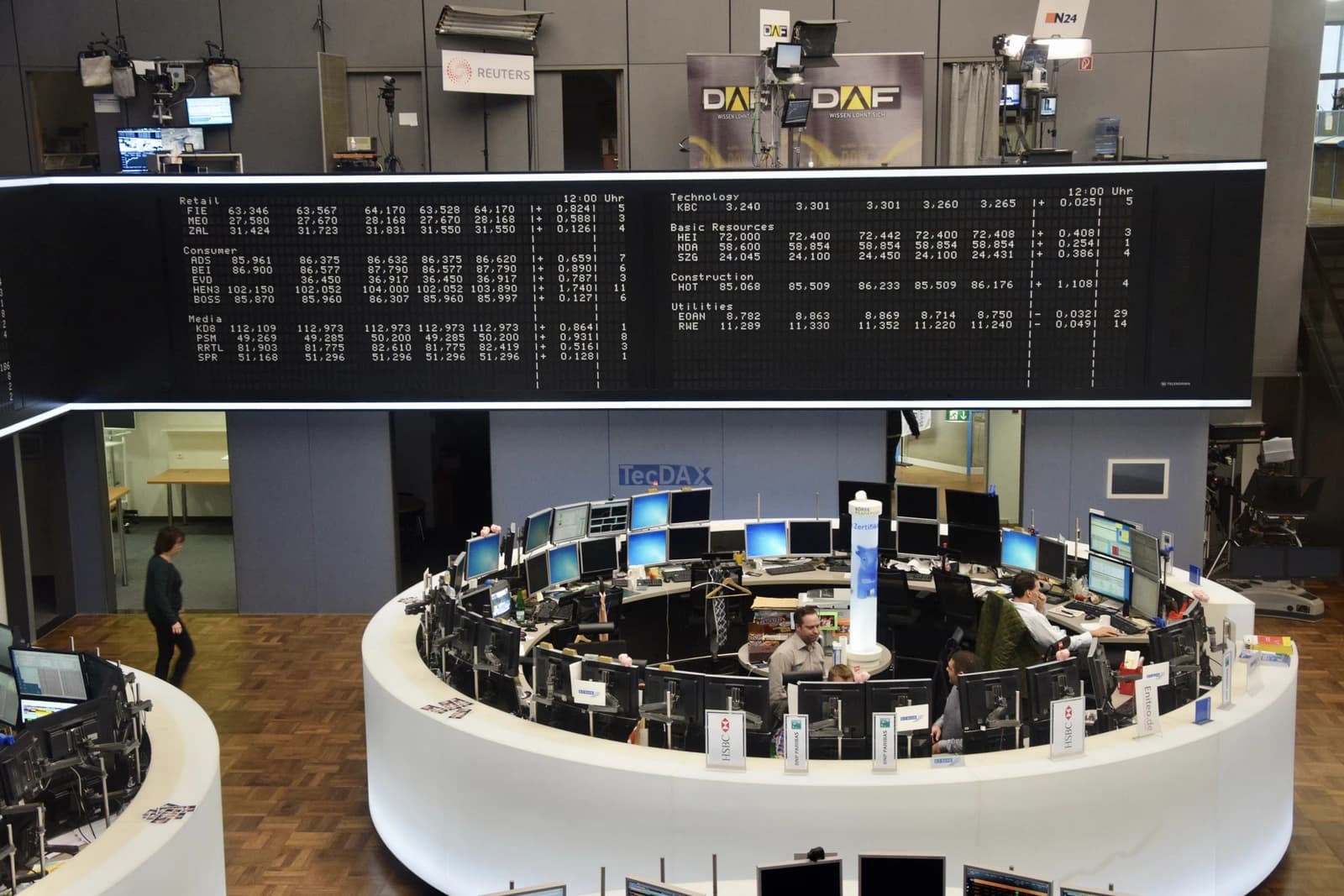
The backdrop is especially important for Germany-focused assets such as the EWG exchange-traded fund and the DAX, which have already been wrestling with weaker momentum. The DAX has hovered near 25,000 points, but growth-sensitive sectors remain exposed to any further loss of industrial traction. Technical indicators on both the DAX and EWG still show recent weakness relative to the 50-day moving average, reinforcing that investors are not yet paying up for a clean cyclical upswing.
This is exactly where the market is likely to misprice the next move. Investors love the story of falling inflation and future rate cuts, but Germany’s problem is more structural in the near term: energy volatility, logistics friction and soft capital spending can keep earnings revisions negative even if headline growth stabilizes. In that setup, the best relative winners are the firms selling into resilience themes — grid equipment, efficiency, automation, defense and infrastructure — while the clear losers are exporters and industrial cyclicals tied to freight, power and domestic consumption.
The broader lesson is that Europe’s equity rally cannot be judged on rates alone. If energy prices stay elevated and water levels stay low, Germany’s recovery will remain uneven, and that means the real opportunity is to own the businesses that profit from scarcity, supply-chain redesign and capex reallocation rather than the ones waiting for a classic manufacturing upswing. Stay selective, stay positioned in the picks-and-shovels names, and treat any broad Germany rally without earnings confirmation as a trading move, not a durable trend.
| Entity | Gains | Losses |
|---|---|---|
| Infrastructure and grid suppliers | ▲Higher capex demand | ▼None |
| Logistics and river shipping operators | ▲Rare upside from pricing | ▼Lower volumes |
| German industrial exporters | ▲Fewer | ▼Margin pressure |
| DAX / EWG bulls | ▲Selective stock picking | ▼Broad cyclical upside |