Germany is moving to raise retirement benefits and the minimum wage even before the new spending cycle is fully in place, a politically potent shift that could support households but also keep wage costs, inflation and budget pressure elevated.
Germany Raises Pensions and Minimum Wage
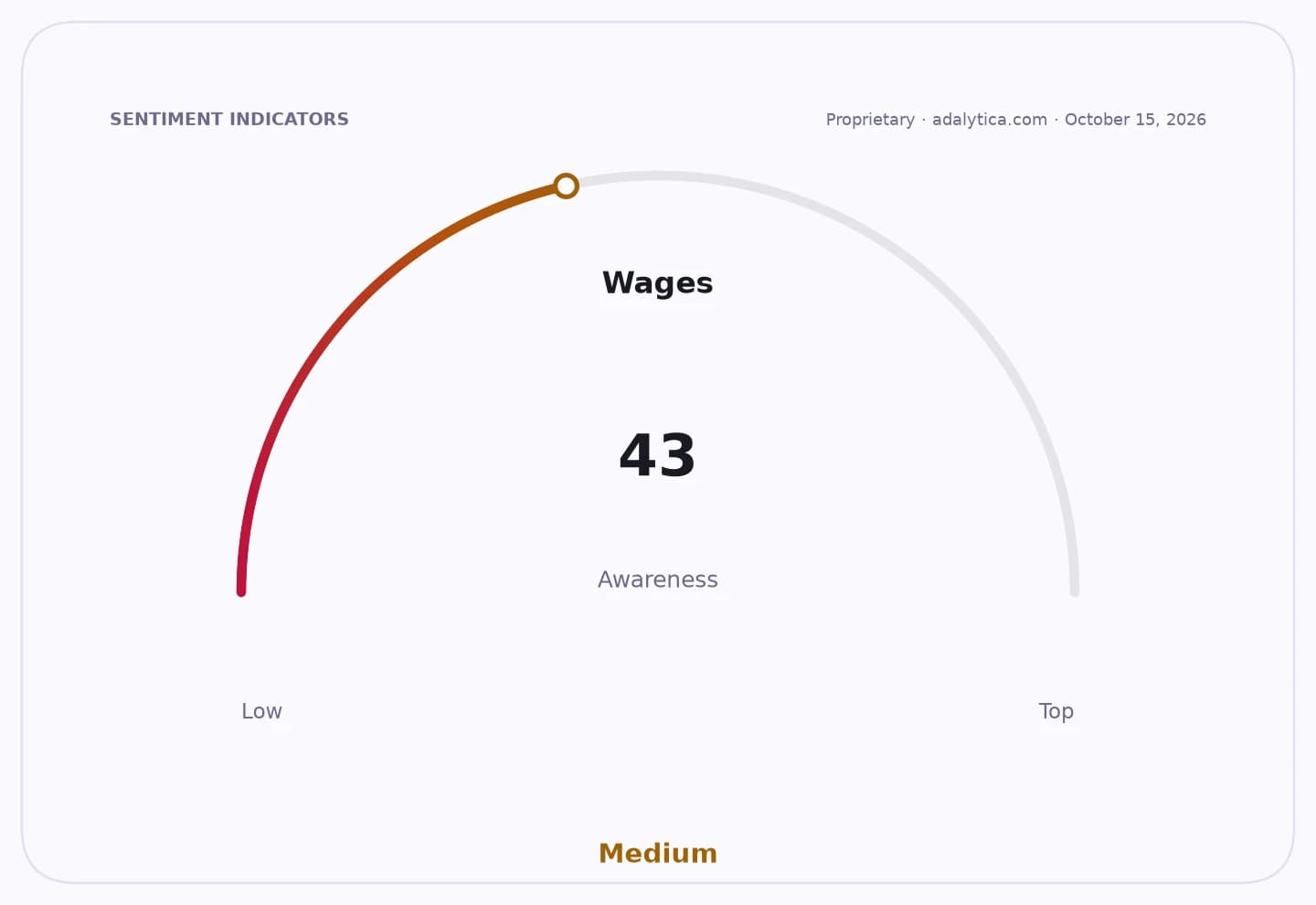
The Bundestag’s approval of an early start to pensions is more than a social-policy gesture. In a labor market where unemployment is still low at 4.2% and payroll employment stands near 159.0 million, the government is effectively putting more income into consumer hands at a time when policymakers are still wrestling with how sticky prices remain. September CPI rose 0.65% from the prior month to 336.298, and Adalytica’s CPI gauge shows awareness at a maximum 100, underscoring how closely investors are watching inflation persistence.
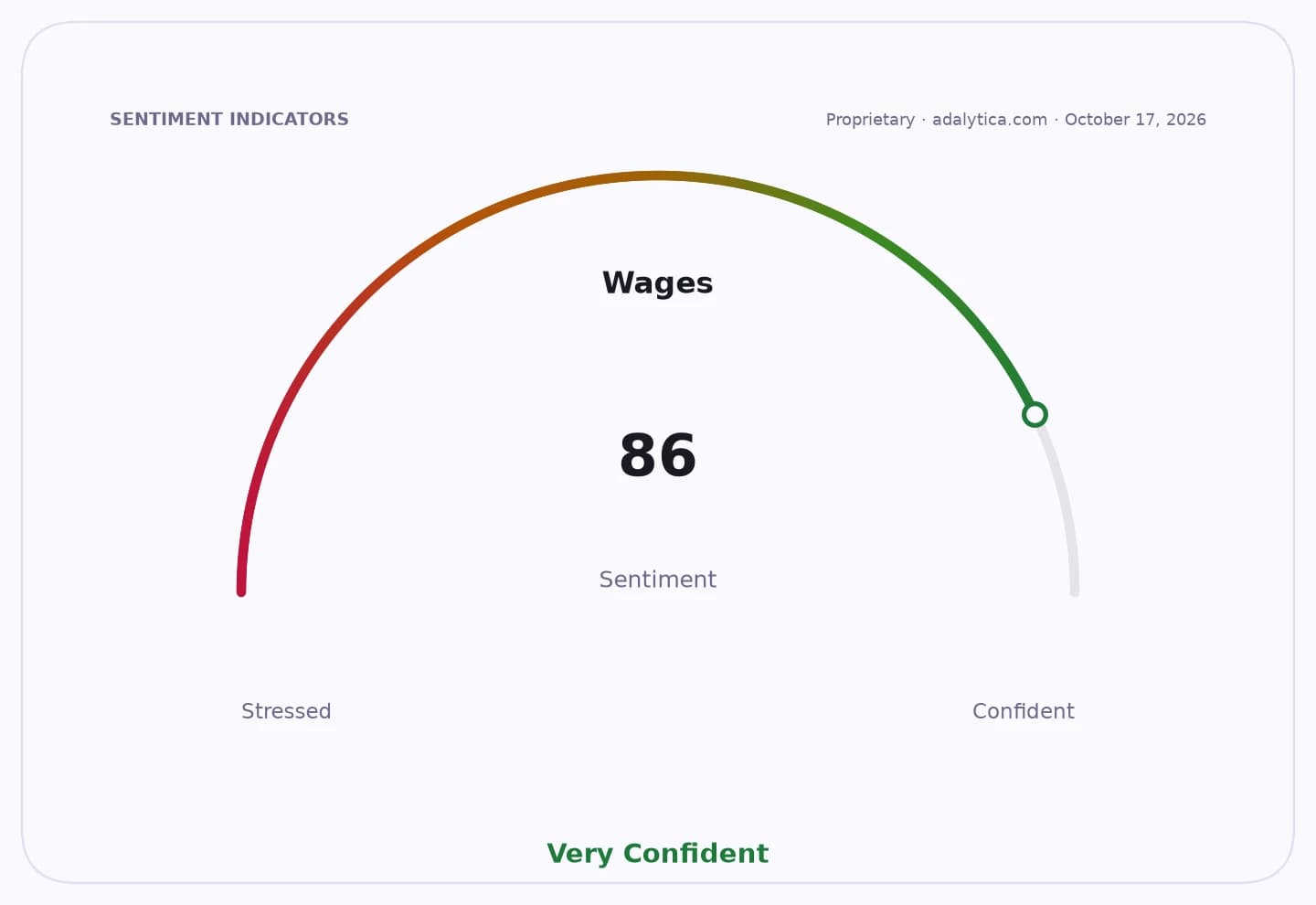
Sentiment IndicatorsⓘProprietary · adalytica.com · October 17, 2026
This is a snapshot — live sentiment, awareness and momentum for 130+ markets update continuously in the dashboard.Open AlphaPulse
That matters because Germany’s move is not happening in a vacuum. Wage inflation sentiment on Adalytica’s WAGES gauge is at 86, labeled extreme greed, after a rapid 30-day surge in attention. That suggests the market and policymakers are both leaning into the same trade: higher pay and higher transfers may cushion households, but they also risk feeding into services inflation and keeping the European Central Bank under pressure longer than bulls on rate cuts would like.
For investors, the key issue is second-order effects. Pension and wage support can stabilize consumption, especially for retailers, consumer staples and domestic service providers, but it also squeezes margins for employers that are labor-intensive and slows the pace at which disinflation can translate into easier monetary conditions. In Europe, that is a meaningful backdrop for rate-sensitive assets, from banks and utilities to real estate and long-duration government bonds.
The market underestimates how often fiscal generosity becomes a macro trade. If Germany is prepared to boost pensions now and push wages higher next, the beneficiaries are clear: domestic demand, consumer-facing equities and inflation hedges. The losers are just as obvious: employers facing higher labor bills, fixed-income investors betting on a quick return to low inflation, and policymakers trying to preserve fiscal discipline while an aging population demands more support.
The bigger narrative is that Europe is entering a new phase of redistribution under demographic strain. That creates an investable split. I believe investors should lean toward companies with pricing power, automation exposure and real-asset cash flows, while being more selective on labor-heavy businesses and long-duration bonds. If wage and pension support keeps building, the next move in markets is likely to reward the firms that can pass on costs, not the ones forced to absorb them.
| Entity | Gains | Losses |
|---|---|---|
| German pensioners | ▲Higher income security | ▼— |
| Minimum-wage workers | ▲Better pay support | ▼Employers facing higher labor costs |
| Domestic retailers and staples | ▲Stronger household spending | ▼Margin pressure from wages |
| Labor-heavy employers / bondholders | ▲— | ▼Cost inflation and rate pressure |