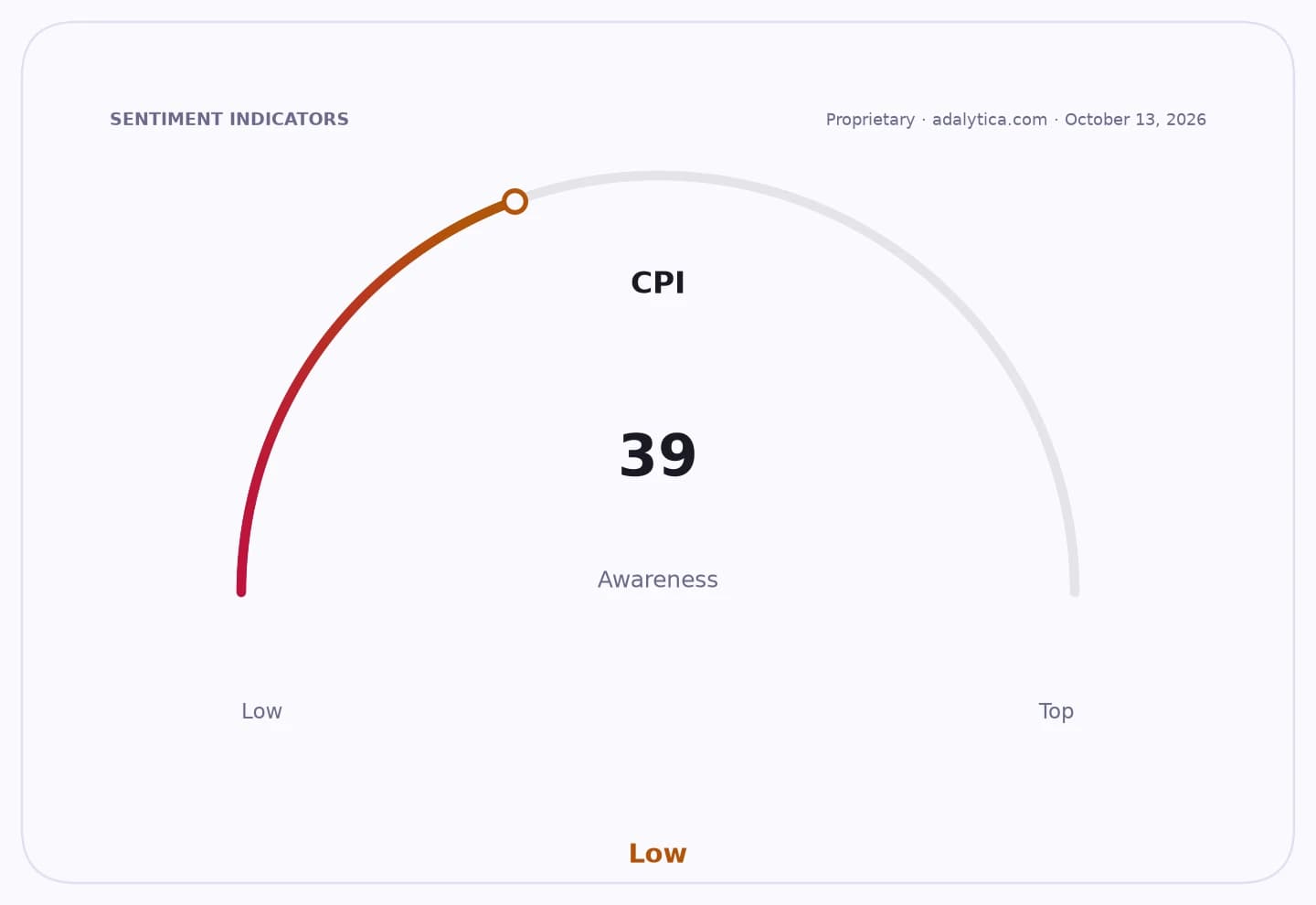
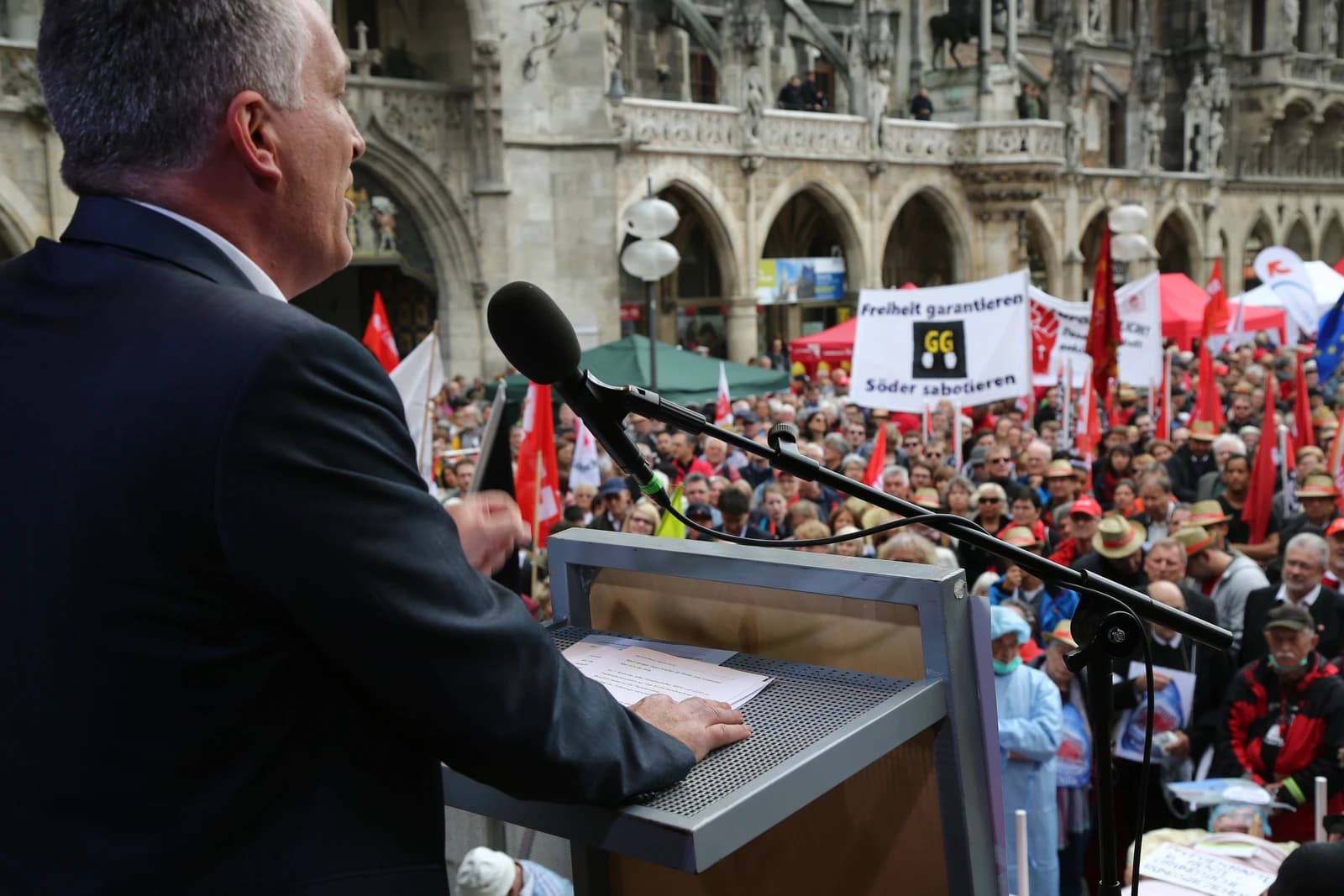
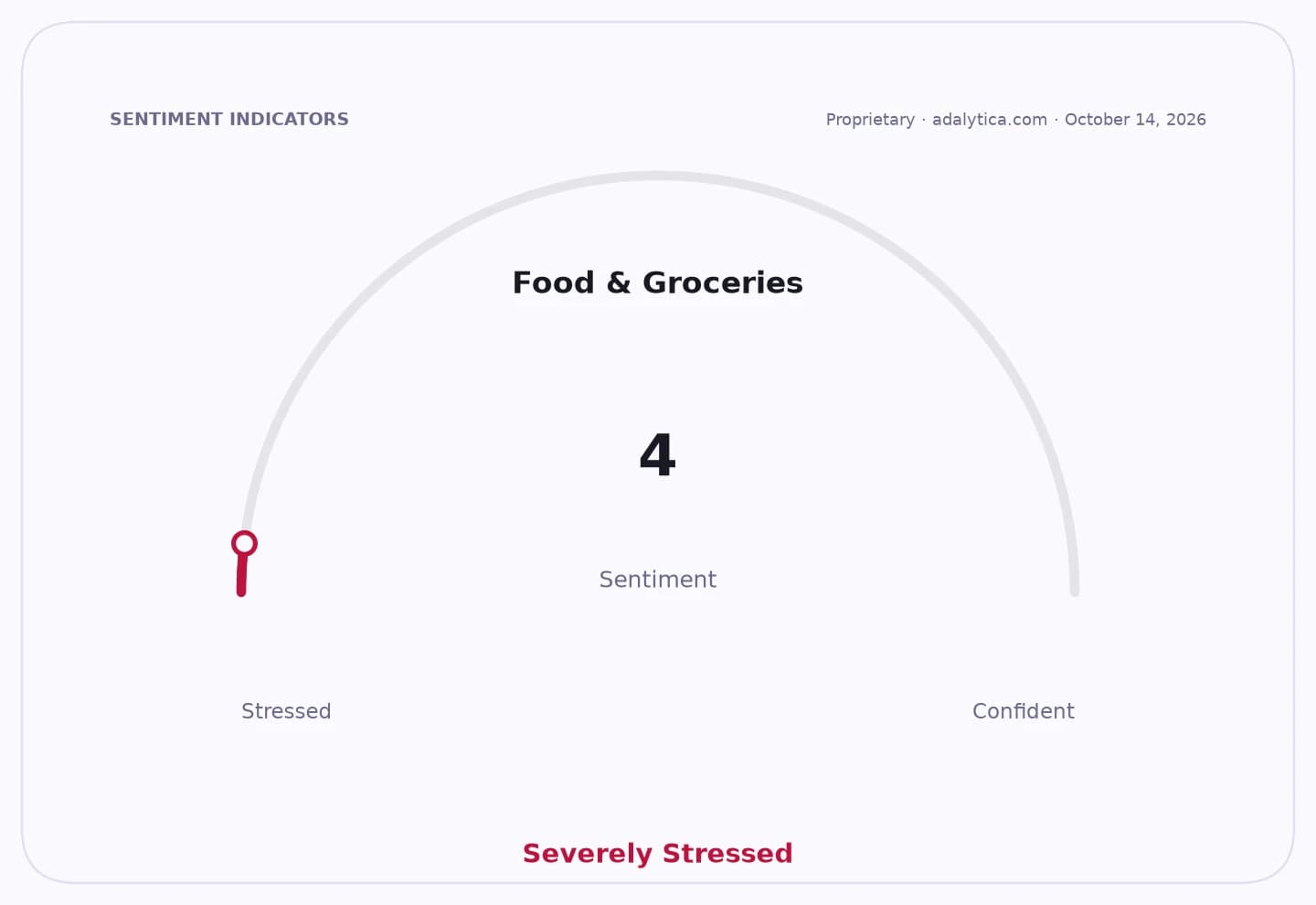
Germany’s decision to lift the statutory minimum wage to 14.60 euros an hour from January 2027 is set to put fresh upward pressure on labor costs in Europe’s largest economy at a time when firms are already navigating sluggish growth and sticky wage dynamics.
Germany minimum wage rises to 14.60 euros in 2027
The two-step increase, confirmed by the federal government, takes the legal floor from 13.90 euros an hour at the start of 2026 to 14.60 euros in 2027, a cumulative rise of 13.88%. For a full-time worker on a 40-hour week, that would translate to roughly 2,531 euros gross a month, or about 121 euros more than under the current rate.
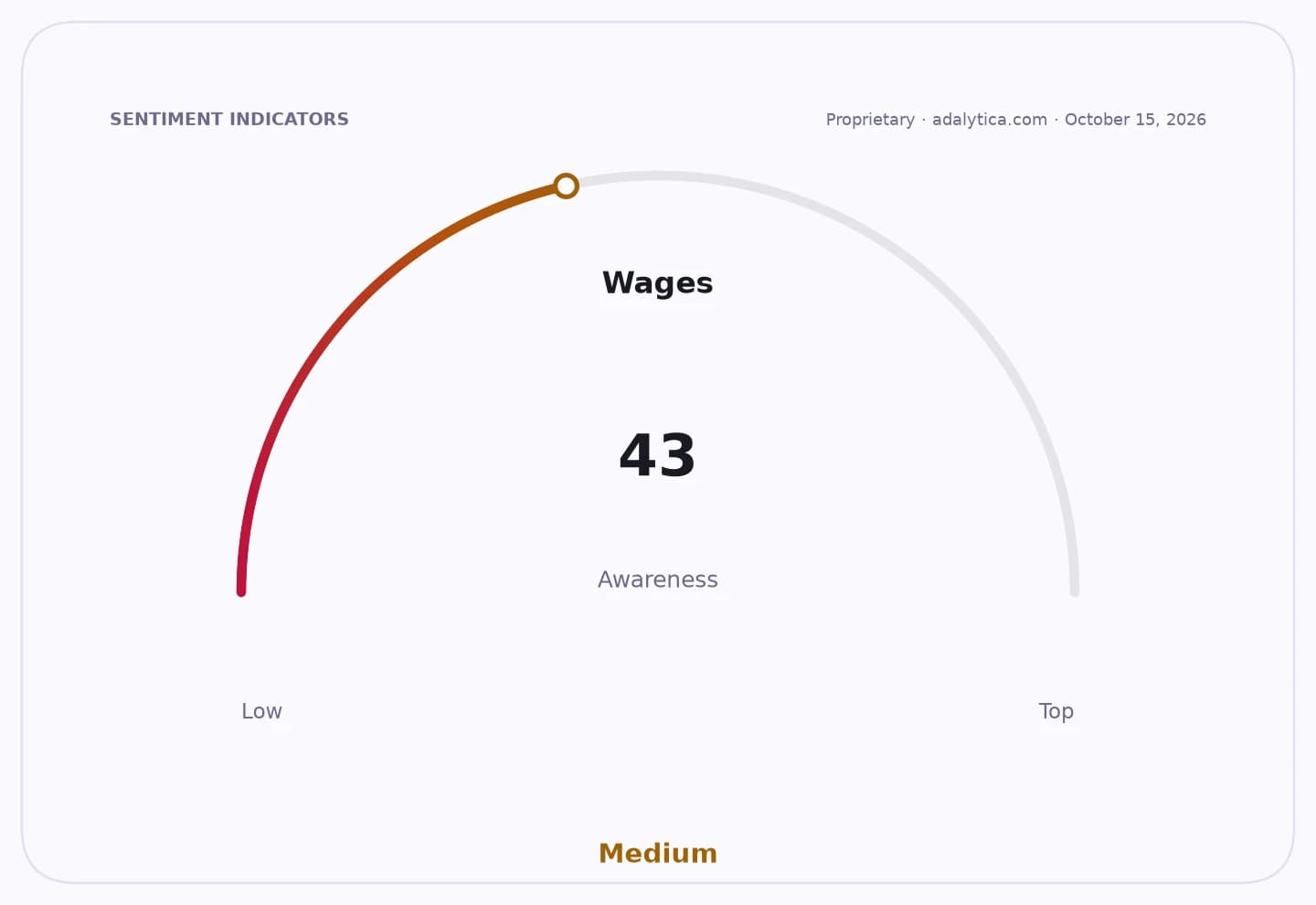
Sentiment IndicatorsⓘProprietary · adalytica.com · October 15, 2026
This is a snapshot — live sentiment, awareness and momentum for 130+ markets update continuously in the dashboard.Open AlphaPulse
The move matters because Germany remains the euro zone’s wage-setter and one of its biggest manufacturing and consumer markets. A higher minimum wage typically feeds through first to lower-paid workers in services, retail, logistics and parts of hospitality, but it can also affect pay structures higher up the chain as employers compress wage ladders to preserve differentials. That makes the policy more than a social measure: it is a marginal inflation impulse, a profit-margin test for employers and a support for disposable income among lower earners.
For investors, the key question is how much of the increase firms can pass on versus absorb. Companies with heavy domestic labor exposure are most at risk if wage costs outrun productivity gains, while businesses with stronger pricing power may be better placed to defend margins. The measure could also lend some support to consumer spending, especially among households with a high propensity to spend, though that benefit may be diluted if employers respond with fewer hours, slower hiring or tighter investment plans.
The announcement lands against a backdrop of persistent concern about wage inflation. Conventional market indicators show Germany-specific equities have been under pressure in recent months, with the German market proxy trading below its 50-day average and the broader Germany ETF also tracking beneath that measure, suggesting investors remain cautious on the growth and margin outlook. At the same time, inflation expectations remain sensitive to labor costs, and the policy will keep the debate alive over whether wage gains are still catching up with price levels or beginning to reinforce them.
The bull case is that higher pay at the bottom of the distribution supports consumption without materially damaging a labor market that has held up better than many feared. The bear case is that a further mandated increase deepens cost pressure for small and mid-sized employers already facing weak demand, energy costs and tighter financing conditions. For equity investors, the implementation date matters almost as much as the size: the effects will likely show up gradually in hiring plans, pricing behavior and earnings guidance into 2027.
| Entity | Gains | Losses |
|---|---|---|
| Low-wage workers | ▲Higher take-home pay | ▼None on wages |
| Consumers | ▲Stronger spending power | ▼Higher prices in some services |
| Employers | ▲Demand boost from spending | ▼Higher payroll costs |
| Germany equities | ▲Policy clarity | ▼Margin pressure risk |