Spain’s main unions are pressing the government for at least a 7% hike in the minimum wage next year, a move that would lift the monthly floor above 1,300 euros and keep pressure on wages, inflation and household spending across the economy.
Spain unions seek 7% minimum wage increase
CC OO and UGT said the increase would take the minimum wage to 1,306 euros a month in 14 payments, or 1,524 euros if spread over 12 months, from 1,221 euros now. The demand comes as inflation rose 4.9% in September, eroding purchasing power and reviving a fight over how far pay should keep pace with prices.
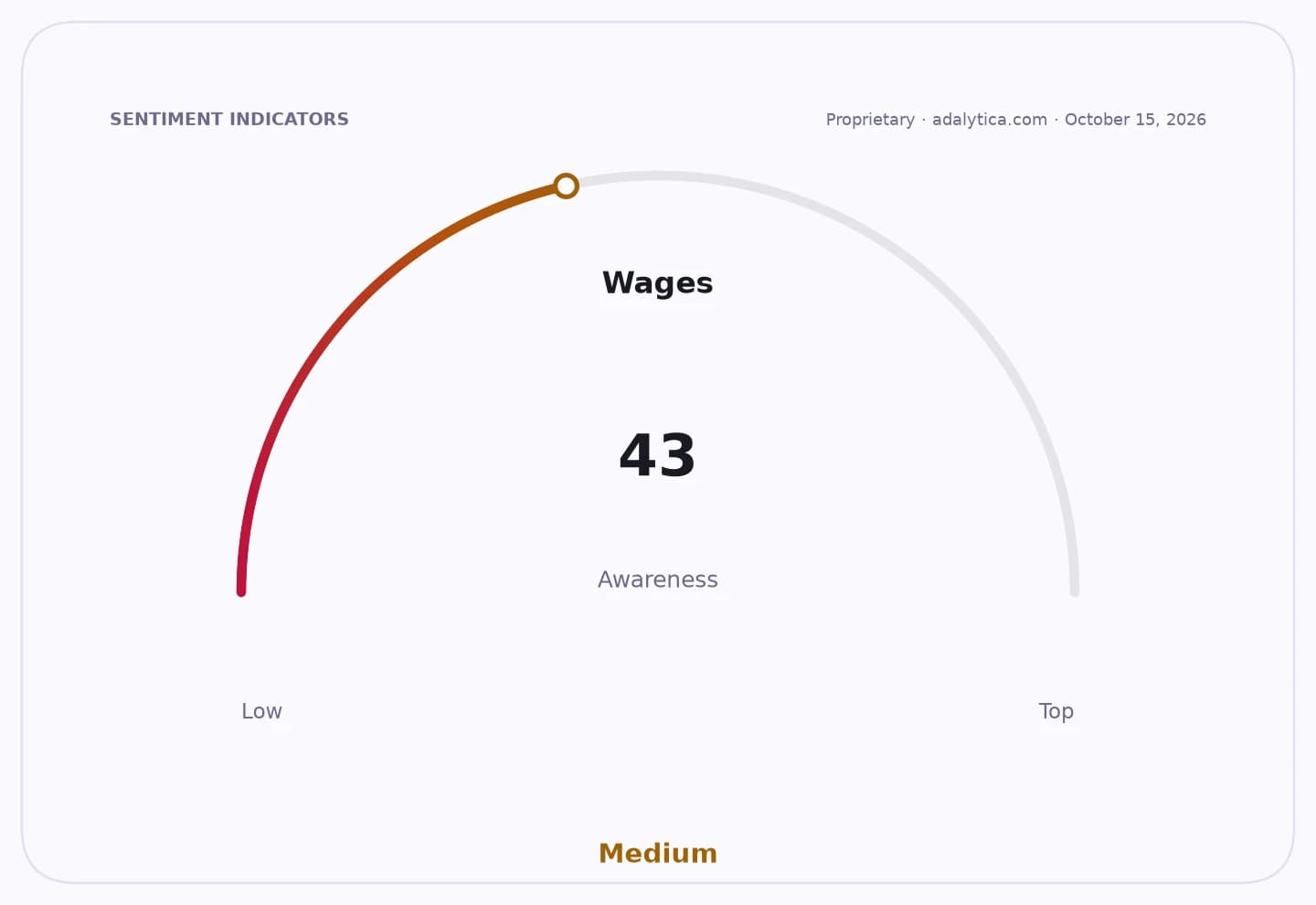
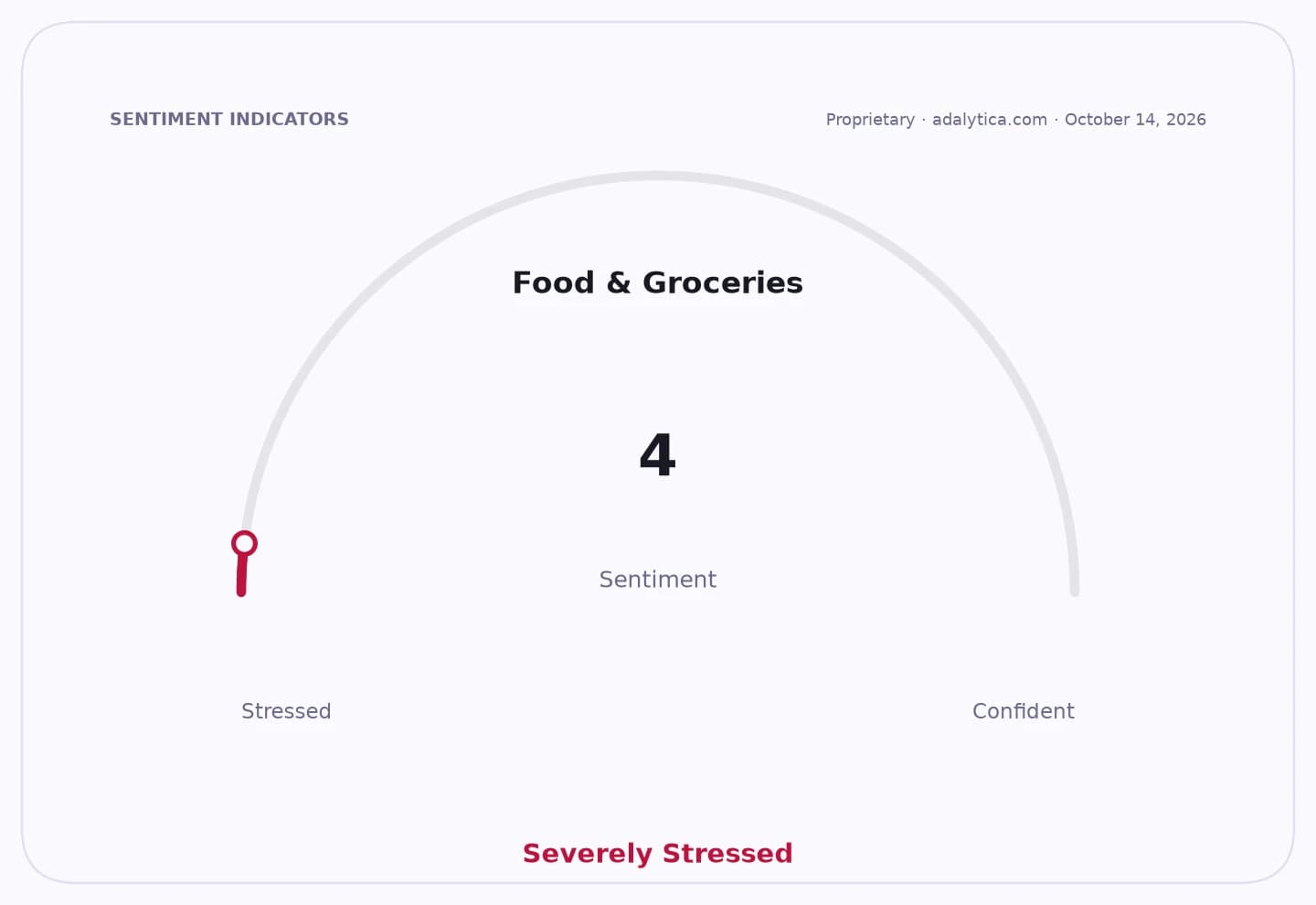
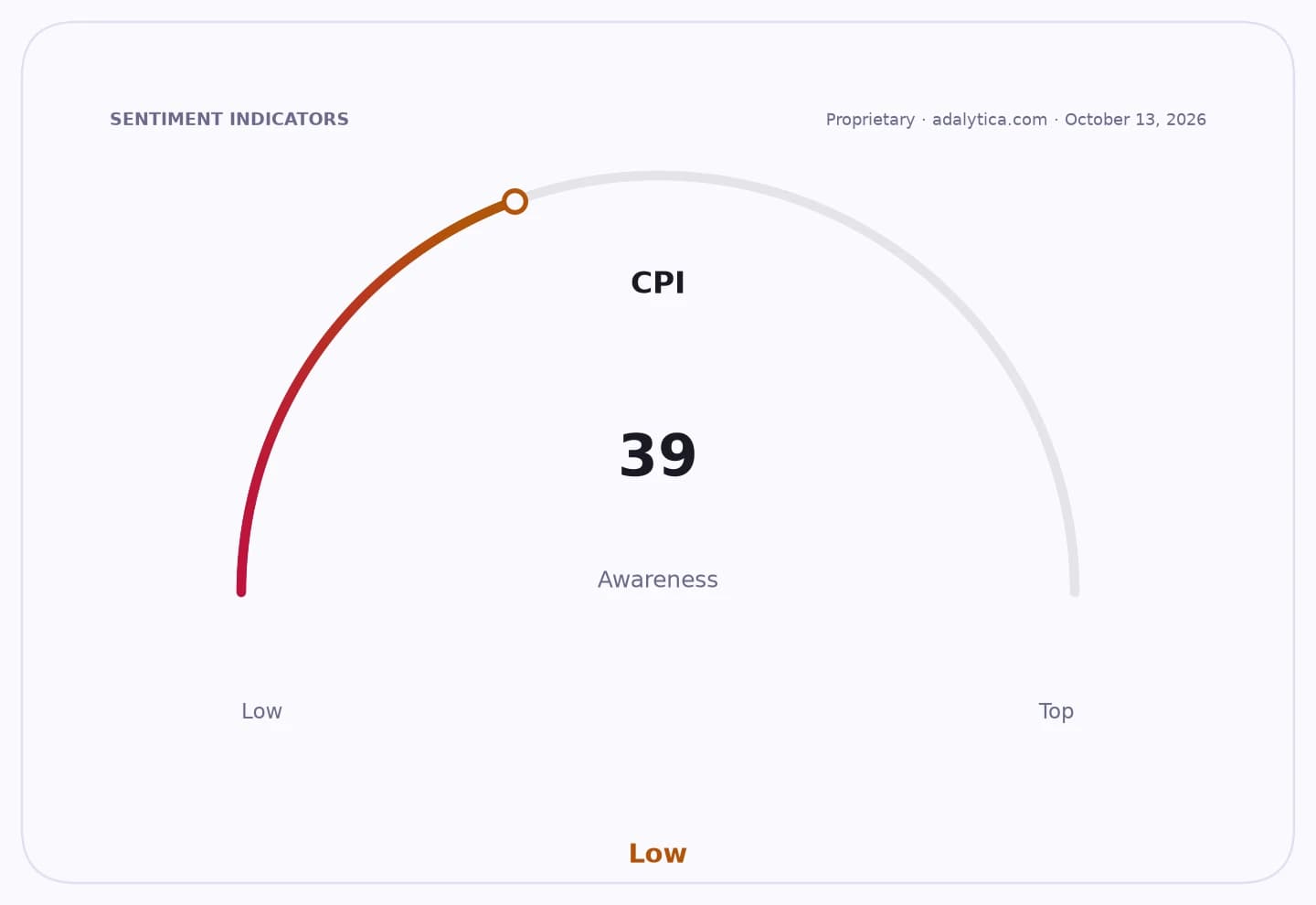
Sentiment IndicatorsⓘProprietary · adalytica.com · October 13, 2026
This is a snapshot — live sentiment, awareness and momentum for 130+ markets update continuously in the dashboard.Open AlphaPulse
The proposal raises a broader policy test for the minority government: whether it can protect real incomes without adding strain to employers already facing higher labour costs. The unions argued the move would help close a gap opened by this year’s 3.1% increase and would keep the floor wage near the 60% of average pay recommended by the European Social Charter, a benchmark the government says it also supports in principle.
The wage push is being folded into a wider labour campaign that includes a general strike on Nov. 11, under the slogan “Wages, housing and prices.” The unions want not just faster pay growth but also changes to Spain’s housing market, arguing that wage gains alone cannot absorb a 12% annual jump in housing costs.
That makes the dispute economically important beyond the labour market. A higher minimum wage would support consumption among lower-income workers, but it could also add pressure on small businesses, retail, hospitality and other labour-intensive sectors if pay settlements spread upward. It also arrives alongside a stalled negotiation over Spain’s broader collective bargaining framework for 2026 to 2028, where unions have proposed annual raises of 4% to 7%.
The government has already asked advisers to recommend a new minimum wage formula before the next phase of talks with unions and employer groups, while Economy Minister Carlos Cuerpo has backed preserving purchasing power and linking wage growth to the broader labour market. The timing suggests the issue will remain a central flashpoint into year-end, with the unions using strike action to push for not only higher wages but also pension reform and a state-backed housing program.
For investors, the stakes are clearest in Spanish consumer sectors, employers with large low-wage workforces and firms exposed to wage-sensitive demand. If the government leans toward the unions’ request, the result would reinforce domestic income growth but could squeeze margins in labour-heavy industries and complicate the outlook for inflation-sensitive assets.
| Entity | Gains | Losses |
|---|---|---|
| Low-wage workers | ▲Higher take-home pay | ▼None in the near term |
| Retail, hospitality, services employees | ▲Stronger wage floor | ▼Employers’ cost pressure |
| Spanish consumers | ▲Better purchasing power | ▼Higher wage-led prices |
| Small businesses and labour-heavy employers | ▲— | ▼Higher payroll costs |