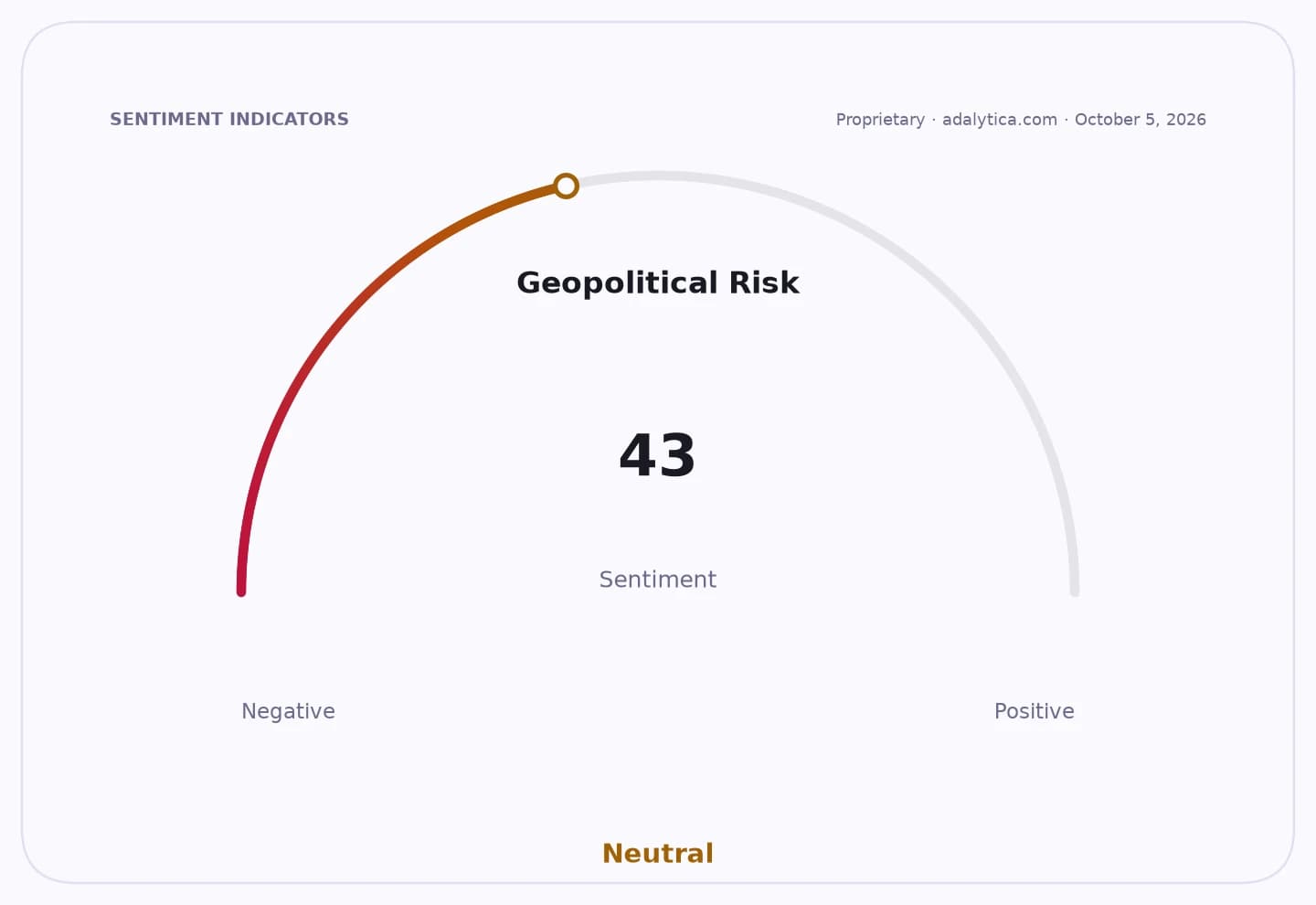
Spain’s far-right Vox has put the country’s pay-as-you-go pension model at the centre of the election campaign, proposing a mixed system that would shift part of retirement provision into private capitalisation accounts and widen the policy divide with the centre-right PP.
Spain Vox Puts Pension Reform in Election Campaign

The move matters because pensions are one of the largest and most politically sensitive items in Spain’s public finances. Around 9.5 million people are expected to receive a state pension in 2026, with the average pension at €1,374.6 a month, leaving any structural change to the system with immediate implications for household income, government spending and the size of future borrowing needs.
Sentiment IndicatorsⓘProprietary · adalytica.com · October 11, 2026
This is a snapshot — live sentiment, awareness and momentum for 130+ markets update continuously in the dashboard.Open AlphaPulse
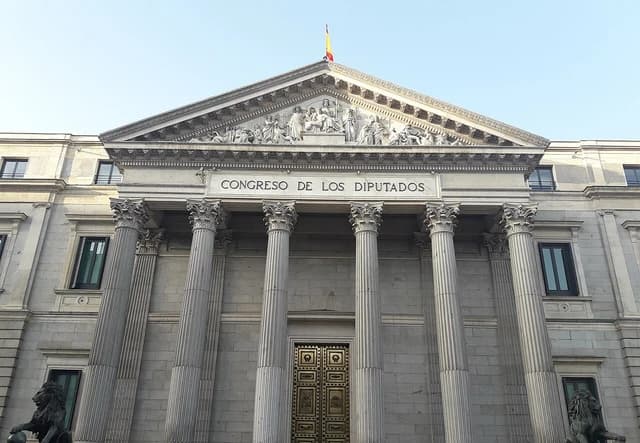
Vox MP José María Figaredo called the current system a “zombie” and argued that Spain has failed to act on the weaknesses identified nearly 30 years ago in the Toledo Pact framework. His pitch is for a model combining public pay-as-you-go benefits with individual savings accounts, a shift that would reduce the state’s direct role and transfer more retirement risk to workers and private providers.
For investors, the policy debate lands in a country already facing a demographic squeeze. Spain will need to bring about 2.4 million people into the labour market over the next decade to maintain productivity and support the pension system, according to a 2025 report, while migration is expected to do most of that heavy lifting. That raises the stakes for any coalition negotiations between Vox and the PP, because a more market-based pension framework could alter the outlook for government debt, domestic savings flows and long-term consumption.
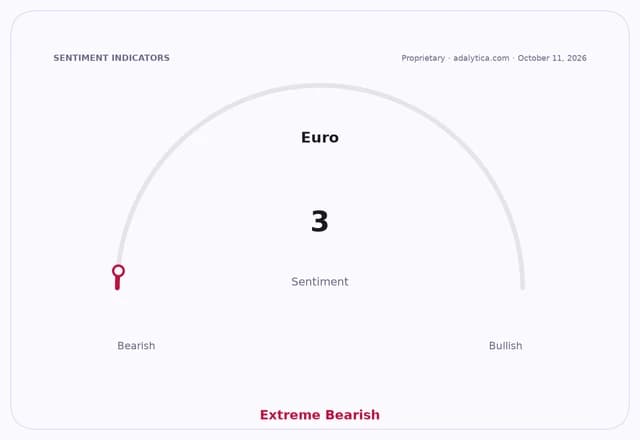
The market read-through is mixed. Fiscal hawks would argue that any reform which slows the growth of pension outlays could help preserve Spain’s credit profile and ease pressure on bond yields over time. Opponents would counter that privatisation would be politically explosive, potentially weaken retirement security and create a transition burden if current workers have to fund both legacy public promises and new private contributions.
Spanish equities and broader euro-area assets are unlikely to react to the proposal in isolation, but the issue feeds into a wider election narrative about the durability of the welfare state and the next government’s approach to debt, wages and energy costs. With a snap vote due on Nov. 29, the pension question is now part of the pricing of political risk in Spain, especially if polls point to a right-wing coalition.
What happens next will depend on whether Vox’s idea stays a campaign talking point or becomes a bargaining chip in coalition talks with the PP. If it advances, investors will focus on whether Madrid is moving toward structural spending restraint or toward another round of political confrontation over the future of the welfare state.
| Entity | Gains | Losses |
|---|---|---|
| Vox | ▲campaign traction | ▼policy consensus |
| PP | ▲coalition flexibility | ▼room to avoid pension reform |
| Spanish state finances | ▲lower long-term spending pressure | ▼short-term transition costs |
| Pensioners and workers | ▲optional private savings upside | ▼public benefit certainty |